One straight run or several turns
Every bend in the duct gives lint a place to catch. A vent with a couple of turns clogs faster than a straight shot to the outside wall.
A pro who works on dryer vents
A dryer that runs two or three cycles to get clothes dry usually has a vent problem, not a dryer problem. Lint builds up inside the duct and blocks the airflow the dryer needs to push hot, wet air outside. This page gets into what to check and when it's time to have the vent cleaned by someone who works on them in Michigan homes all year.
Connect with a proA dryer that takes two or three cycles to finish is usually fighting a clogged vent, not a worn-out machine. Every load pushes hot, damp air down the duct and out of the house, and lint catches on the way, especially at bends and joints. As that buildup narrows the duct, less air moves, so the dryer has to run longer to push the same moisture out. In Michigan, summers get sticky enough that the air going into the dryer is already carrying moisture, which makes a tight vent work even harder to clear it. A blocked vent also means the dryer runs hotter and longer than it should, and since power here isn't cheap, that shows up on the bill. Clothes coming out hot but still damp, or the outside of the dryer feeling warmer than usual, both point to the same thing: airflow that isn't getting out like it should.


Every bend in the duct gives lint a place to catch. A vent with a couple of turns clogs faster than a straight shot to the outside wall.
Damp summer air makes clothes hold more moisture going in, so a partly blocked vent falls even further behind drying them.

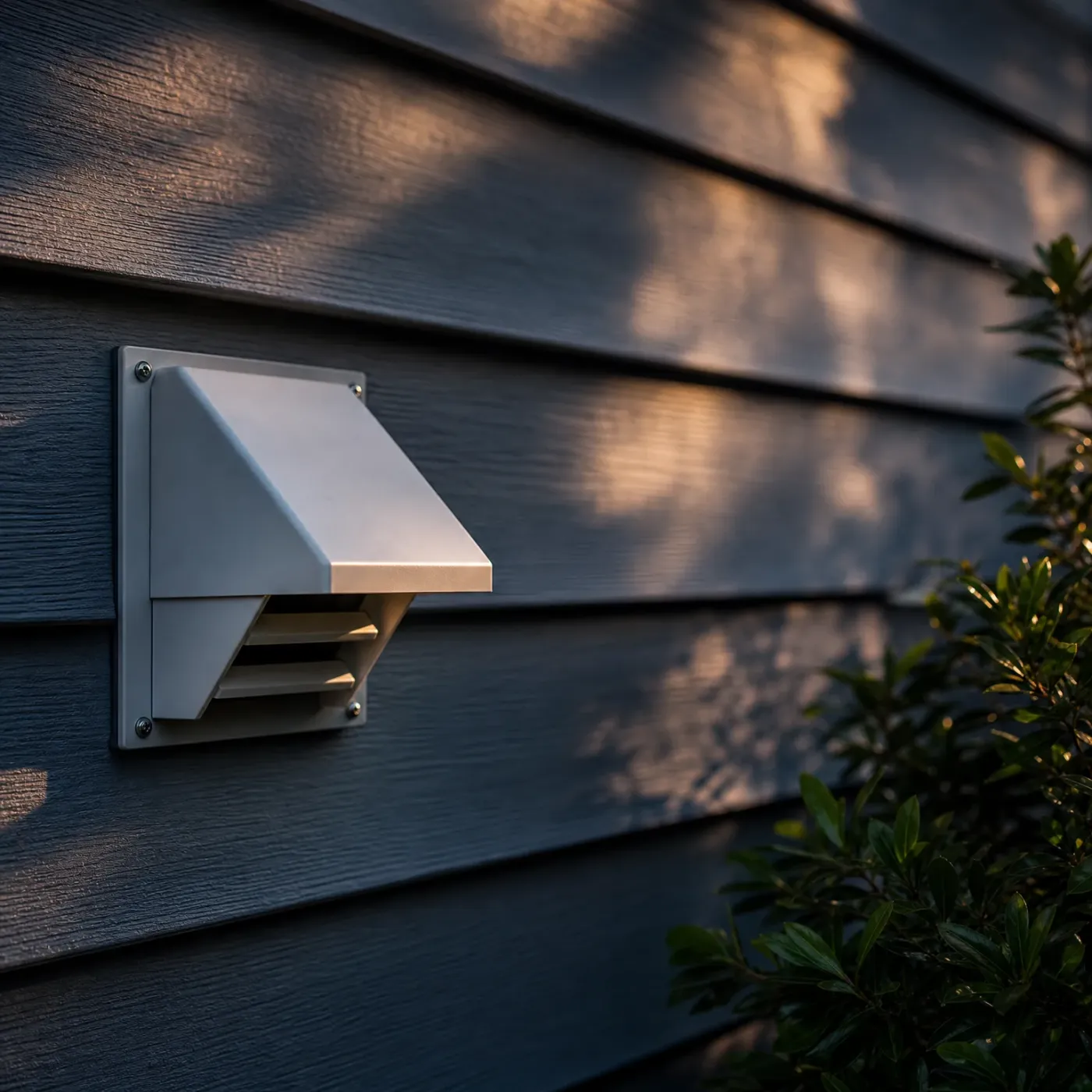
The hood sits flush against the wall and the flap hangs loose, ready to swing open. Air pushes it out with every cycle and the mesh stays clear behind it. A dryer venting like this finishes a load in one run.

Lint has packed into the opening until the flap can't close or open right. Some of it is old enough to have caught bits of nesting material. Air that can't get past this point backs up the whole duct, and the dryer runs longer trying to push it through.


A dryer fighting a clogged vent runs longer and pulls more power doing it, and that matters where electricity costs what it does. A gas dryer still runs its heating element and drum motor the whole extra cycle, so a blocked vent shows up on the power bill even though the house heats with gas. Summer humidity adds to the load, since clothes come out of the washer holding more water for the dryer to push out through that same duct. None of this says whether your vent is actually blocked or how bad it is. A contractor who works on vents all over Michigan every season can look at the run, the bends, the hood, and tell you what's actually catching lint and what it will take to clear it. Get matched with one who covers your area and let them take a look before another summer of long cycles runs up the bill.
A second cycle isn't free. The dryer's heating element and drum motor run the whole extra time, gas or electric, and with power priced the way it is here, that extra cycle shows up on your bill every time you do a load. Run two or three loads a week like that and it adds up month to month. The clothes still come out damp enough to need another pass, so you're paying for the first cycle and the second one that actually finishes the job. A vent moving air freely does that work once.
Lint is the fuel, and a dryer still running hot at the end of a blocked cycle is the ignition source. That risk sits in the duct itself, often behind a wall or up in the attic where you won't see it building. Michigan summers add their own load. Humid air outside means clothes hold more moisture going in, so a vent that's half clogged in July struggles in a way it didn't in a drier month. A dryer that smells hot partway through a cycle, or a laundry room that stays warmer than it should, is telling you the air isn't getting outside.
At 20.03 cents per kilowatt-hour, running your dryer twice to finish one load isn't a small add-on. The heating element and drum motor are the main draw, and a clogged vent keeps them both running past the point where the clothes are already dry.
EIA-861 2025 statewide residential average
A dryer running extra cycles isn't guessing. It's telling you the vent can't move air the way it should, and the duct is the thing worth checking before you think about the machine itself. Lint doesn't collect evenly along a vent. It gathers where the duct turns, so a run with a couple of bends is doing more work than a straight shot out to the wall, and it clogs sooner because of it. A clear path lets the dryer read the load as dry and shut off, which is the whole point of the moisture sensor working the way it's built to. Summer here makes that harder before the vent even has a problem. The air coming into the dryer already carries more moisture on a sticky July day, so a duct that's half blocked falls behind faster than it would in October. Every cycle the dryer runs past that point is the heating element and drum motor working again for a load that was already dry, and at 20.03 cents per kilowatt-hour, that's not a cost you can shrug off. None of this needs guessing at what's inside the walls. Step outside and look at the vent hood. The flap should swing open when the dryer runs and hang loose when it stops, and the mesh behind it should be free of lint. If it isn't moving the way it should, that's the answer the dryer's been giving you.




Matched to your dryer vent job
Only one pro gets your request, so you hear from one company.
