







Dryer taking too long to dry in Flint, MI

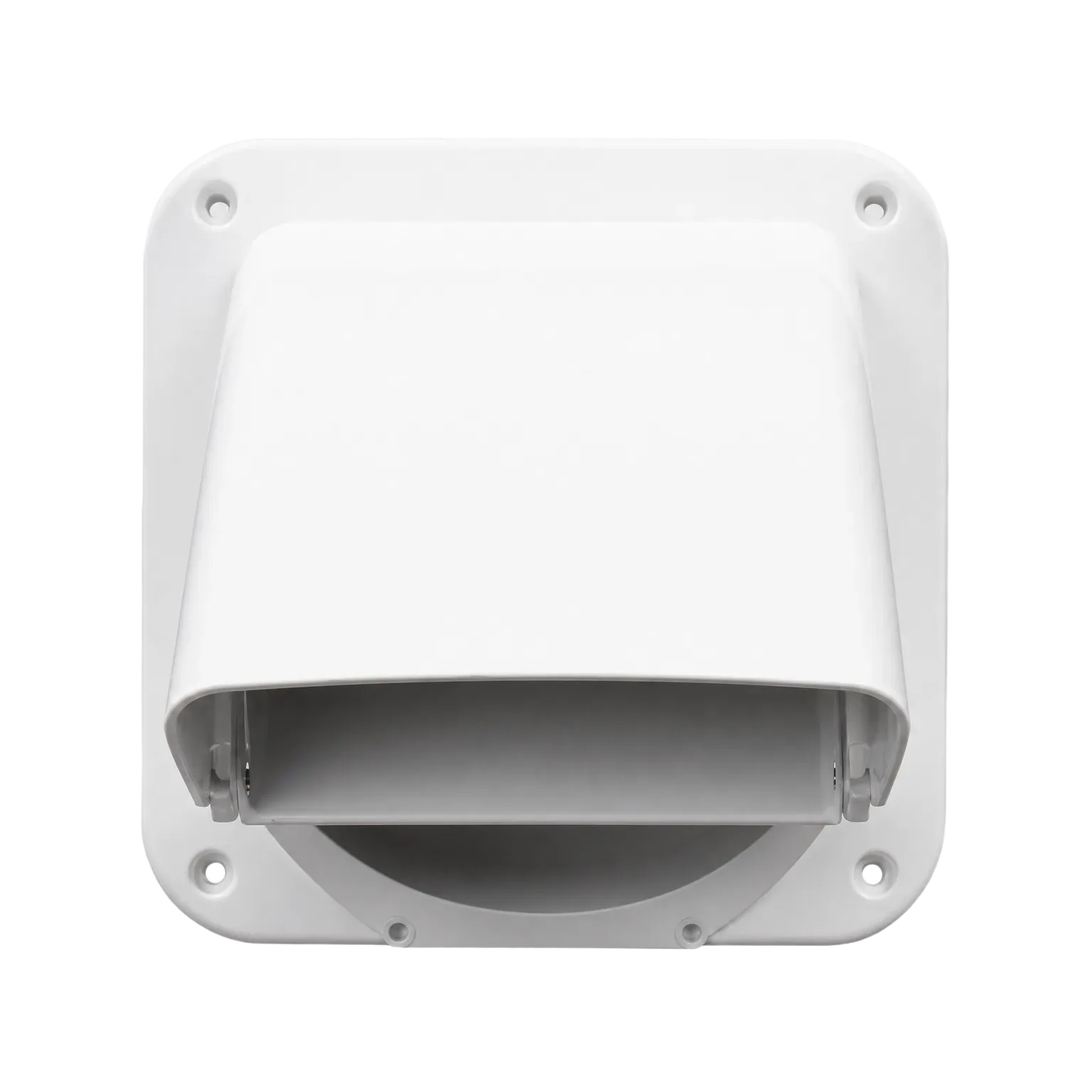
A white plastic wall vent with a square mounting flange, hooded cover, and round duct collar visible beneath, shown against a plain light gray background.
Match me with a pro

Why does my dryer take forever to dry clothes?

You load the dryer, run a full cycle, and pull out clothes that are still damp at the seams and the waistband. So you run it again. If this has become normal instead of something that happens once in a while, the dryer isn't just having an off day. Something is stopping it from doing what it's built to do, and in a Genesee County winter, when everything you own feels damp to begin with, that extra hour or two adds up fast.

Most likely a vent clogged with lint, not the dryer itself

A dryer works by pushing hot, damp air out through the vent while pulling fresh air in. When lint builds up inside that vent, the air can't leave fast enough, so the moisture stays in the drum and the clothes stay wet. The heating element and the motor can both be fine and you'll still get long, damp cycles. This matters more in Flint winters, when the air coming into the house is already cold and dry, and the dryer has to work harder to get clothes warm enough to release that moisture in the first place. A vent that's half blocked barely keeps up in July and falls behind completely by January.

An older man with gray hair and a beard, wearing a dark snow-dusted jacket and scarf, stands smiling in a warmly lit interior hallway with a lit table lamp, a vase of dried branches, and a framed picture in the background.
An older man in a dark snow-flecked overcoat and scarf stands smiling in a warmly lit home entryway, with a glass-paned door showing darkness outside and a lamp-lit room visible through a doorway behind him.
An older man with grey hair and a beard, wearing a dark coat dusted with snow, stands in a dimly lit entryway with a ceiling lamp, a side table with two shaded lamps, and a lit fireplace visible in a room beyond.
An older man with gray hair and a beard, wearing a dark coat dusted with snow, stands smiling in a doorway of a warmly lit home with a sofa, lamp and window visible behind him.

A dryer doesn't dry clothes with heat alone. It dries them by moving hot air through the drum and pushing the moisture it picks up out through the vent. When that path is open, a load finishes on schedule and the thermostat cuts the cycle off. When it's not, the air inside stays warm and wet instead of venting out, and the dryer reads that as a load that isn't done yet. It keeps adding heat and keeps running. This is why a dryer can seem to work fine, heating up right away, and still fail to finish a load. The problem usually isn't the heating element. It's everything downstream of the drum: the trap, the hose behind the machine, the pipe running through the wall or ceiling, and the hood outside where the air finally leaves the house. A restriction anywhere along that path shows up the same way at the drum. Where the vent runs longer or bends more than once, lint has more places to catch, and the slowdown tends to happen sooner.

Why airflow decides drying time

  • A clogged vent traps hot, moist air inside the drum, so the dryer keeps running past the normal cycle time without finishing the load.
  • Lint builds up inside the vent pipe itself, not just the trap, narrowing the path air needs to carry moisture outside.
  • A long vent run or one with several turns gives lint more surface to catch on, so homes with that layout clog faster than homes with a short, straight run.
  • The dryer's thermostat senses the drum is still warm and humid and keeps the cycle going instead of shutting off on time.
  • A crushed or kinked section of flexible vent hose restricts airflow the same way a clog does, even right after a cleaning.
  • The outside vent hood has a flap that should open when the dryer runs; if it stays shut or is packed with lint, air backs up the whole line.
A woman wrapped in a thick fleece blanket sits on a sofa holding an open book, beside a lit table lamp and a frost-covered dark window.
A woman in a cream knit sweater sits in an armchair indoors, eyes closed and smiling, beside a window showing yellow and orange autumn foliage, with a mug on a wooden side table and shelves holding vases behind her.

Why is this taking so many loads to dry in your house?

  • 2.38 people per household on average

    Your household runs 2.38 people on average here, which means more loads through that same vent every week, and a partial clog shows up fast.

  • Half the homes here were built by 1969

    Half the homes in Genesee County went up in 1969 or earlier, and a dryer vent that old has had decades to collect lint in bends nobody can see.

  • Power here costs 20.62 cents per kilowatt-hour

    Power here runs 20.62 cents per kilowatt-hour, so a dryer fighting a clogged vent to finish a load is costing you more each time it reruns.

ACS 2020-2024 · EIA-861 2025

  1. Wet clothes tumble and release moisture into the hot air inside the drum.

  2. The blower pushes that moist air through the vent pipe toward outside.

  3. Lint lining the pipe narrows the path, slowing the air down.

  4. Moist air lingers in the drum instead of venting out.

Clear It Yourself or Call In Help

Clean the Vent Yourself

  • You can pull the trap and wipe it out after every load, which keeps lint from building up at that first stage.
  • A vent brush kit reaches a few feet into the pipe from either end, which helps with lint sitting close to the wall or the hood.
  • You won't see what's happening in the middle sections of pipe, especially where it bends behind the dryer or runs through a wall.
  • Flexible vent runs trap lint at every turn, and those spots stay out of reach of a brush worked in from the ends.
  • If the vent runs up through a floor or out through the roof, there's no safe way to reach the blocked sections yourself.
  • A partial clear can make the dryer run better for a few weeks before the drying times creep back up again.

Have the Vent Professionally Cleaned

  • A contractor runs the cleaning from the dryer all the way out to the vent hood, clearing the full length of pipe, not just the ends.
  • Rotary brushes and vacuum equipment reach lint sitting in bends and long horizontal runs that a handheld brush kit can't get to.
  • The vent hood outside gets checked too, since a flap stuck shut or packed with lint blocks airflow just as much as a clog inside the pipe.
  • A full cleaning clears the whole path at once, instead of just the first few feet near either opening.
  • Getting matched with a contractor means someone experienced with Genesee County's mix of vent setups handles the job.
  • Once the vent is clear end to end, drying times should hold steady instead of creeping back up within weeks.
A white plastic hooded dryer vent with a mesh screen, fastened by four screws to beige horizontal lap siding above a concrete foundation wall.

Vent clear

Air moves freely through this cap, so the flap sits open while the dryer runs and swings shut when it stops. The screen is clean enough to see through. A dryer venting like this finishes a full load in one cycle, and the outside of the house stays free of lint around the opening.


A white plastic hooded dryer vent with a louvered grille mounted on horizontal vinyl siding above a textured concrete foundation wall.

Vent clogged

Lint has built up across the grid here, and it keeps the flap from opening the way it should. Air trying to carry moisture out of the dryer meets resistance right at the exit. A vent in this shape is why a load that used to take 40 minutes now takes two runs to finish.

A dusty white plastic dryer vent hood with lint-clogged louvers mounted on beige horizontal vinyl siding above a concrete foundation wall and a bed of rounded gray rocks.
Before you get your dryer vent cleaning
A white plastic louvered dryer vent hood mounted on beige horizontal lap siding above a concrete foundation wall bordered by gravel.
After you get your dryer vent cleaning

The right pro for this job

Once you send the form, finding a pro is off your list.

It costs nothing to send, and you don't have to hire anyone.

A pile of beige, blue, and gray towels sits on top of a white dryer beside a window with green foliage outside, against a dark wall.

It's almost nine on a Tuesday and you've already run this load twice. The dryer clicks off and you open it to the same damp heat on your face. The towels on top are still heavy, cool at the center where your hand checks them. Outside it's dark and the kind of cold that means the furnace has been running most of the day too. You pull the warm, half-dry towels out anyway and drape them over the washer and the laundry rack, figuring they'll finish overnight. The dryer ticks as it cools. You're not doing another load tonight.

What's running up your power bill right now

Two cycles instead of one means the dryer draws power twice as long for the same load. Power here is already among the most expensive in the country, and a clogged vent turns every load into two. You might notice the laundry room feels warmer than it used to, or the dryer itself is hot to the touch on top near the end of a cycle. Check the outside vent hood while the dryer runs: if the flap barely moves or you feel only weak air against your hand, that's the airflow a clogged vent leaves behind. Left alone, the lint packed in that pipe is also a fire risk, since it sits right where hot air passes every single load.

A white hooded dryer vent with a square screwed-on flange mounted on gray horizontal lap siding, above a concrete foundation wall edged with gravel stones.
Air pushes straight out through a clean hood, and the flap swings open and closed with each cycle the way it's supposed to.
A lint-clogged hooded dryer vent mounted on light gray horizontal lap siding above a concrete foundation wall.
Lint has packed the hood solid and pinned the flap open, so moist air has nowhere to go but back into the drum.

What's inside your vent run

  • Rigid metal duct holds its shape and gives lint fewer ridges to catch on than flexible foil or plastic duct.
  • Every elbow in the run slows the airflow a little, so a vent with three or four bends clogs faster than a straight shot.
  • A dryer vent should end outside in a hood with a flap, never inside an attic or crawlspace where moist air just collects.
  • Longer vent runs need more force to clear, since air loses speed over distance even before lint narrows the pipe.
  • The exhaust duct on the dryer itself is a separate, short connector, and it packs with lint even when the rest of the line stays open.
  • A screen on the outside hood catches lint the vent pipe missed, and once it's coated, the whole system backs up behind it.

The vent itself is part of why a dryer struggles, not just how much lint has built up. Rigid metal duct gives lint fewer ridges to grab, so a run of it clogs slower than flexible foil or plastic duct does. Every elbow in the line costs you some airflow. A vent that goes straight from the dryer to the outside wall clears easily. One with three or four bends, which is common when the dryer sits on an interior wall, slows the air at each turn and gives lint more places to settle. Where the vent ends matters too. It needs to run all the way outside to a hood with a flap. Some houses here have a vent that was routed into an attic or crawlspace instead, and that moist air just collects there with nowhere to go. Length adds to all of this. The farther air has to travel, the more speed it loses before it ever hits a narrowed, lint-packed section of pipe. The connector between the dryer itself and the wall is its own short stretch of duct, separate from the main run, and it packs with lint on its own even when the rest of the vent is clear. At the far end, the screen on the outside hood catches whatever lint made it that far. Once that screen is coated, the whole line backs up behind it, no matter how clean the pipe is in between.

2.38 people per household on average

At 2.38 people, your house still fills a hamper fast, towels, sheets, work clothes, all going through the same vent week after week. Each load leaves lint behind, and that buildup doesn't take a big family to add up.

ACS 2020-2024

A dryer that takes two or three cycles to finish a load has a blocked vent, and clearing that vent is what brings it back to one cycle. That's the whole answer. Nothing about how you run the machine or sort the laundry needs to change once air can move through the pipe the way it's supposed to. A contractor who does this work can check the full run from the back of the dryer to the hood outside, find where the lint has packed in, and clear it. Once you send the form, you're not the one tracking this down anymore. You've already noticed the damp towels, the extra cycle, the heat the dryer throws now that it's working harder than it should. That part's done. What's left is someone else's job, and it's about to be handled.

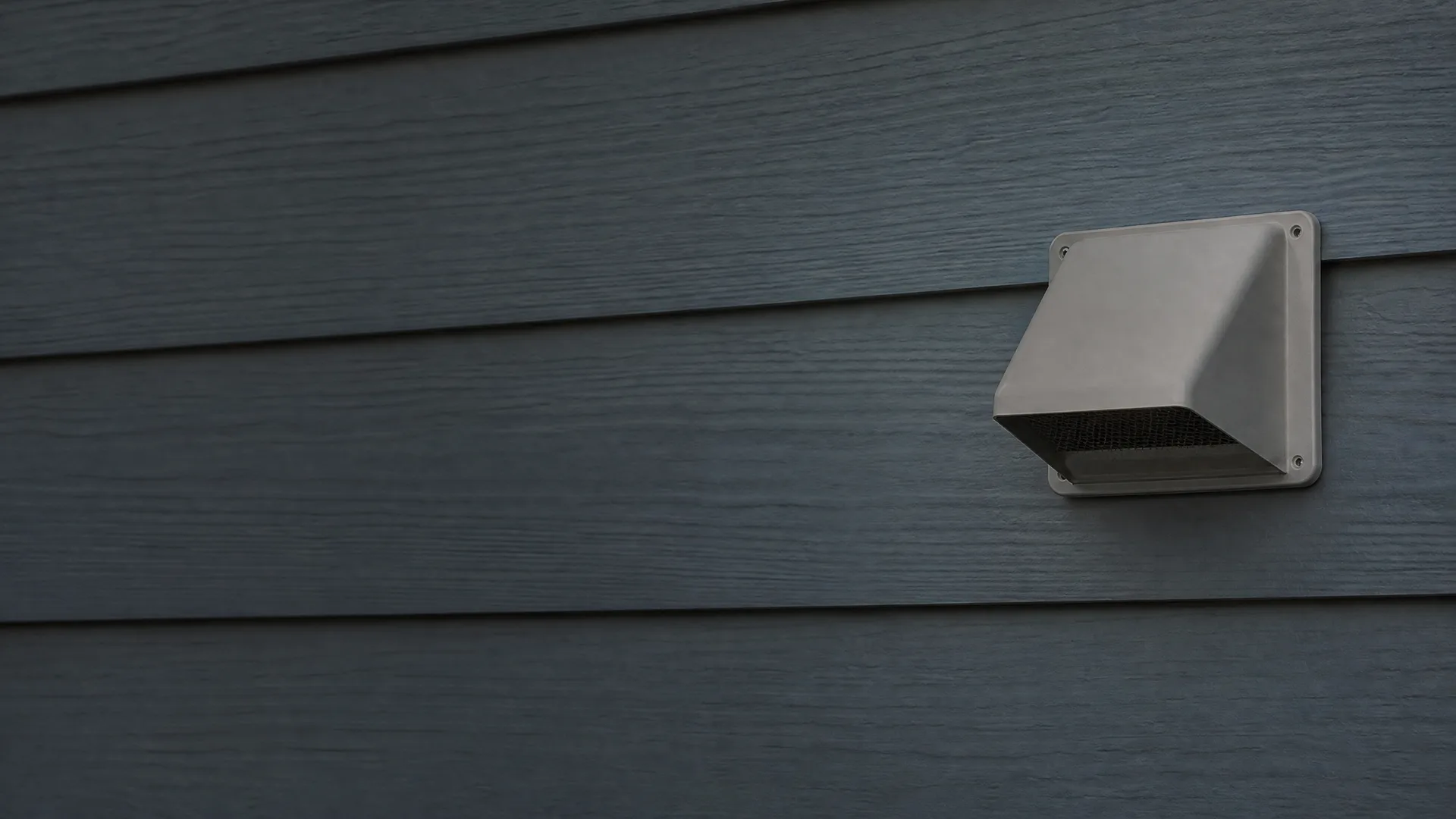
A light gray hooded exterior dryer vent with a screened opening mounted on dark blue-gray horizontal lap siding.

Matched to your dryer vent job

After you send the request, you're done searching.

Duct and vent cleaningGenesee County, MI
Step 1 of 3

What kind of equipment?