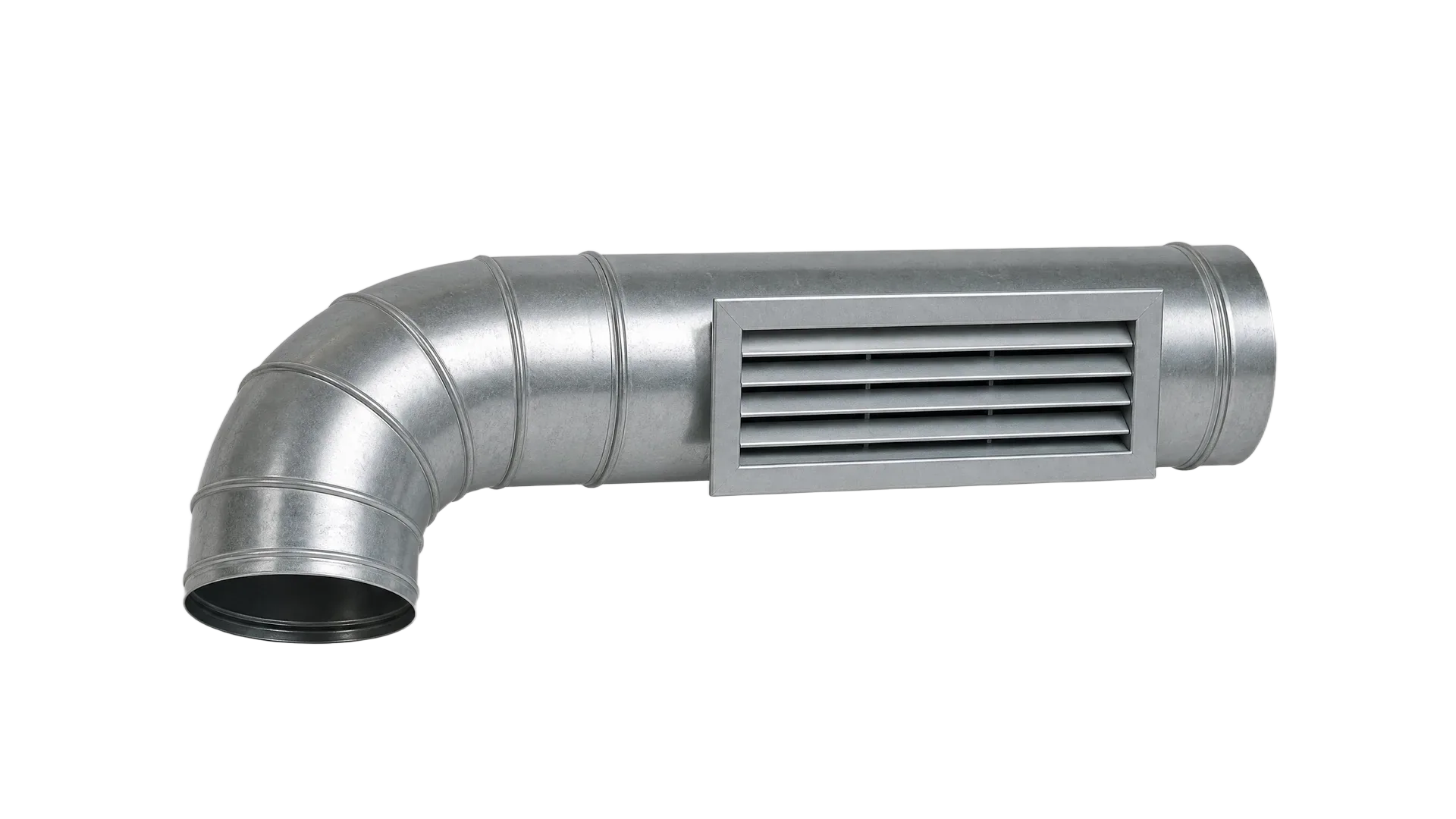
Vents on both sides of the house
If rooms far from the furnace stay dusty no matter how often you clean, the ducts feeding them are likely the source, not your housekeeping.
Dust building up around your vent covers, a musty smell when the furnace or AC kicks on, and more dust settling on furniture than usual are the clearest signs your ducts need cleaning. In Troy and the rest of Oakland County, systems run hard both directions, gas heat through the cold months and AC through the sticky summers, and that constant air movement pulls dust, pet hair and debris through the ductwork year after year. If anyone in the house has started sneezing more indoors than outside, or you notice rooms getting dusty again just days after cleaning, that's air coming through ducts that are carrying more than air. Uneven airflow between rooms, registers that look dark or stained around the edges, and a furnace or AC filter that clogs faster than it used to all point the same direction. None of this ruins the equipment overnight, but it means the system is working through buildup instead of clean air, every time it runs.




If rooms far from the furnace stay dusty no matter how often you clean, the ducts feeding them are likely the source, not your housekeeping.
The same ducts carry heat all winter and cooled air all summer, so whatever settles inside gets pushed through your home for most of the year.
Half the homes here were built by 1975
Half the homes in Oakland County were built in 1975 or earlier. Older duct runs have had decades to collect dust in joints and seams that newer systems haven't.
Heat runs October through May
Heat runs eight months a year here, October through May. That's eight months of air moving through the same ducts, carrying whatever has settled inside.
Cooling runs June through August
Cooling runs June through August on top of that. Combined with the heating months, there's almost no stretch of the year when the system sits idle and dust settles undisturbed.
ACS 2020-2024 · NOAA nClimDiv 1991-2020
A duct cleaning is not just a vacuum pushed into the nearest register. It starts with agitation. A brush or a whip fed by compressed air runs down each branch line to knock loose what's stuck to the walls of the duct, since dust packed into seams and joints doesn't move on its own no matter how strong the vacuum is. Before that happens, the whole system gets sealed and pulled to negative pressure from the main trunk line, so what gets knocked loose downstream has somewhere to go instead of blowing out into the room. Every register in the house, supply and return both, comes off its wall or ceiling plate. That's the only way to reach a branch on its own and confirm it's actually been cleaned rather than just blown further down the line. The furnace itself isn't skipped. The blower compartment and the coil sit in the same airstream as the ducts and collect the same dust, so a job that cleans the ductwork but leaves the blower caked gets you half the result. Some contractors finish by running a camera through the main runs, which is the only way to tell the difference between a duct that's clear end to end and one that's only clear for the first few feet past the register, which is as far as a quick job usually reaches.


You dust the shelves on Saturday and by Wednesday there's a film on them again. The vent covers themselves have a gray ring around the slats. Turn on the furnace after it's sat idle and you catch a stale, musty smell for the first minute or two before it fades. Maybe someone in the house has been sneezing more at home than anywhere else, or a lingering cough that eases up when they're away for a few days. None of this is dramatic on its own. But it means the air moving through your house, all day, every day, is carrying more than it should. Left alone, that's what the furnace and AC keep circulating into every room they feed.
A brush or air whip runs through each branch line to knock debris loose.
A vacuum connects to the main trunk, pulling the whole system to negative pressure.
Each supply and return register opens one at a time as the brush works through it.
The blower compartment and coil get wiped down once the ducts run clean.


A licensed pro who works in Oakland County gets your request.
Explain the job once and skip repeating it on every call.
You only hire the pro if you want to.
You change your filter on schedule, maybe every month or two like you're supposed to, and the dust still comes back. At that point it's natural to wonder if the filter is even the right thing to blame. A filter only catches what passes through it. If the ducts themselves are holding dust at the seams and joints, a fresh filter every month won't touch that.
Pull the filter and hold it up to the light. If it's gray and clogged, replace it and see if the dust settles down over the next week or two. If you're already swapping it on schedule and rooms still dust up fast, the filter isn't your problem. Air has to pass through the filter on its way back to the furnace, but once it's clean, it travels through the ducts to reach every room. Dust sitting in those duct runs gets pushed into the house every time the blower kicks on, filter or no filter. That's the difference: a dirty filter affects the whole house evenly, while duct buildup often hits certain rooms harder than others, especially ones far from the furnace.

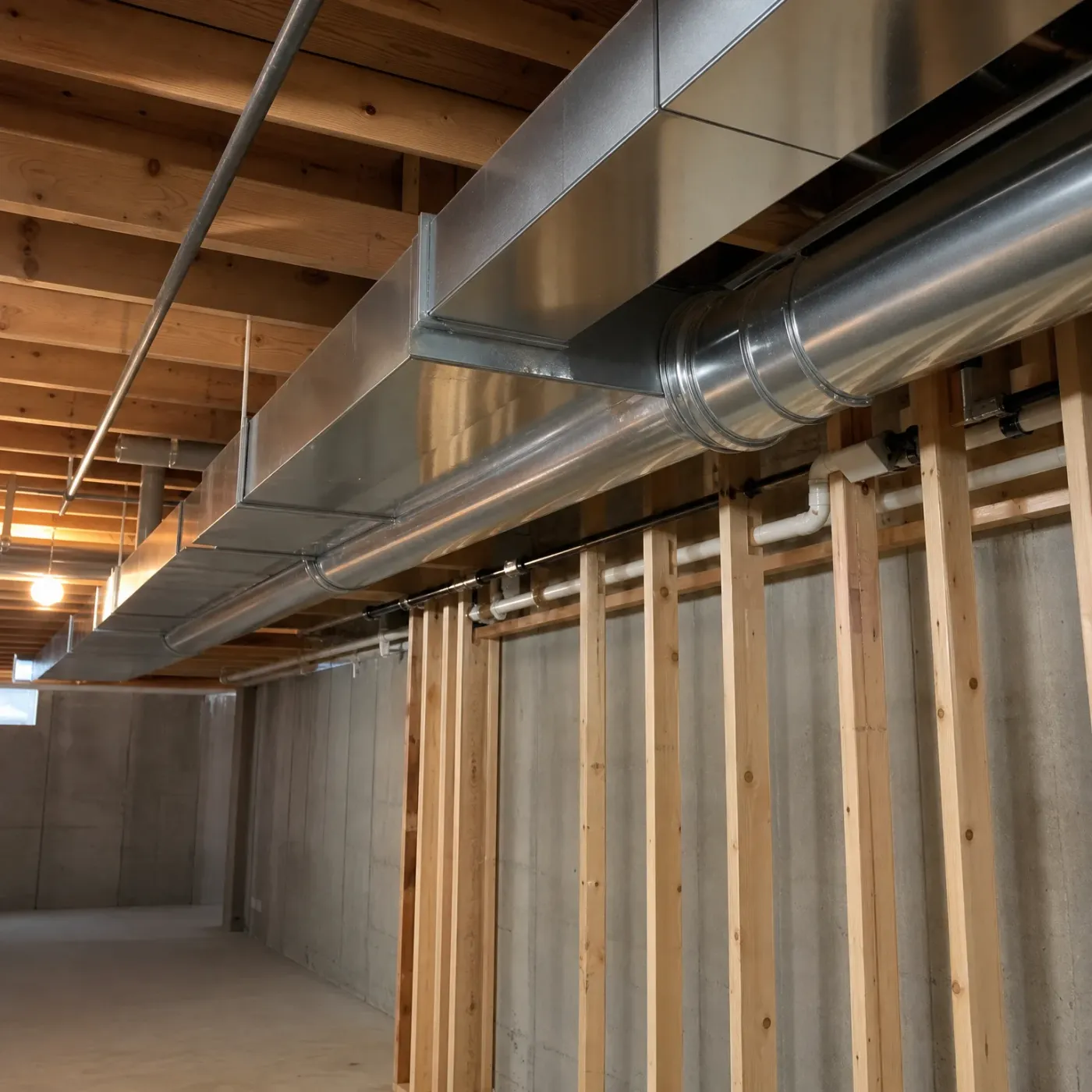
This is what a clean run looks like: sheet metal with no dust ring at the seams, joints tight, nothing hanging off the inside edges. Air leaves the furnace and gets to every room on both sides of the house without shedding anything along the way.

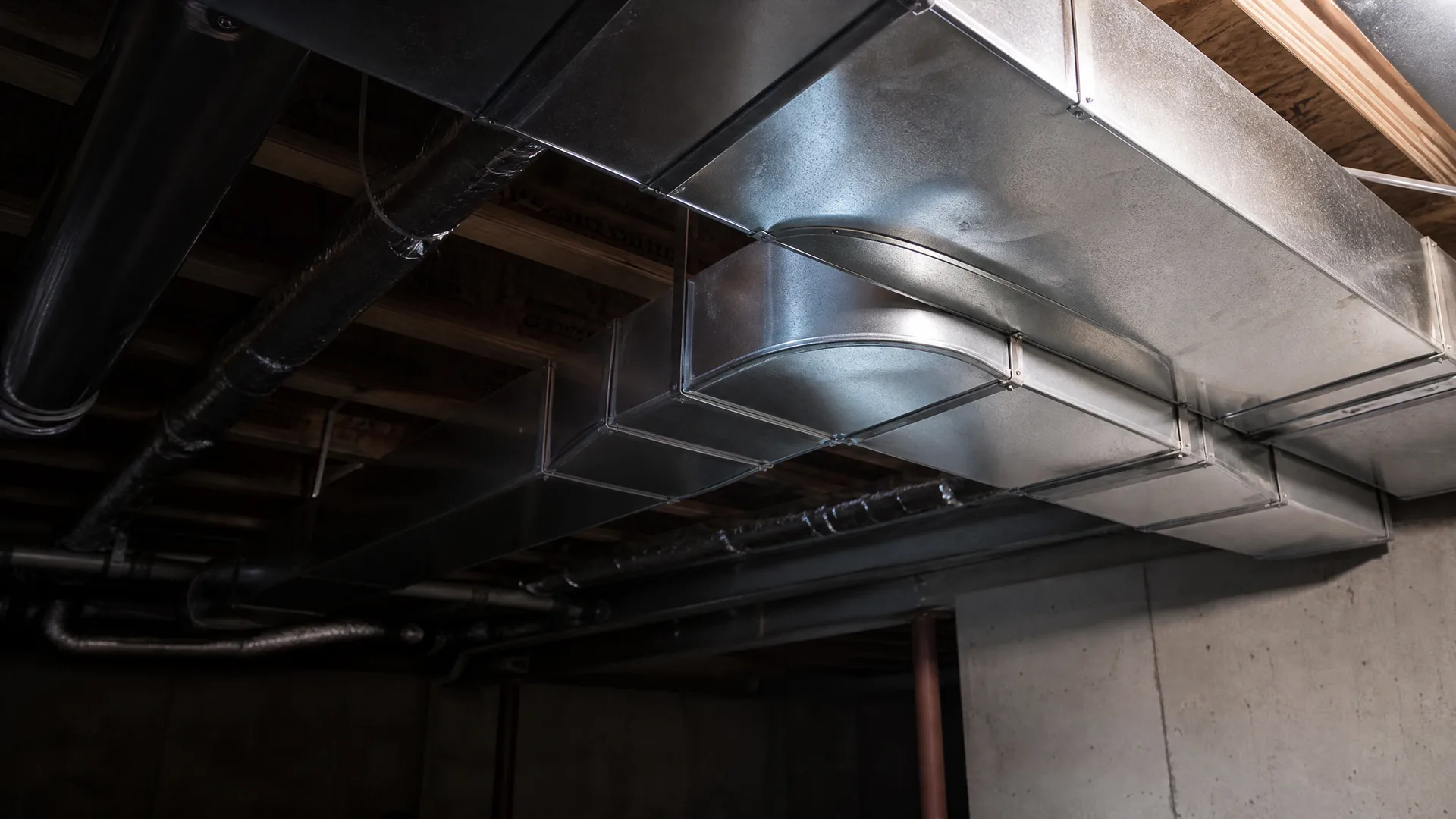
At the junction here, dust has built up thick enough to see from the floor below. Every time the blower kicks on, some of that gets pushed loose and carried into the rooms it feeds, which is why the vents nearest this branch stay dirtier than the rest of the house.


You keep cleaning and the dust keeps coming back, so you start wondering if it's worth paying someone to clean ducts you can't even see into.
Once the buildup is out and the system pulls clean air through every run, the dust you were fighting stops getting put back into the room every time the blower kicks on.
At 20.26 cents per kilowatt-hour, every extra minute your blower runs to push air through clogged ducts shows up on the bill. A system pulling against buildup at the joints works harder to move the same air, all winter and all summer.
EIA-861 2025
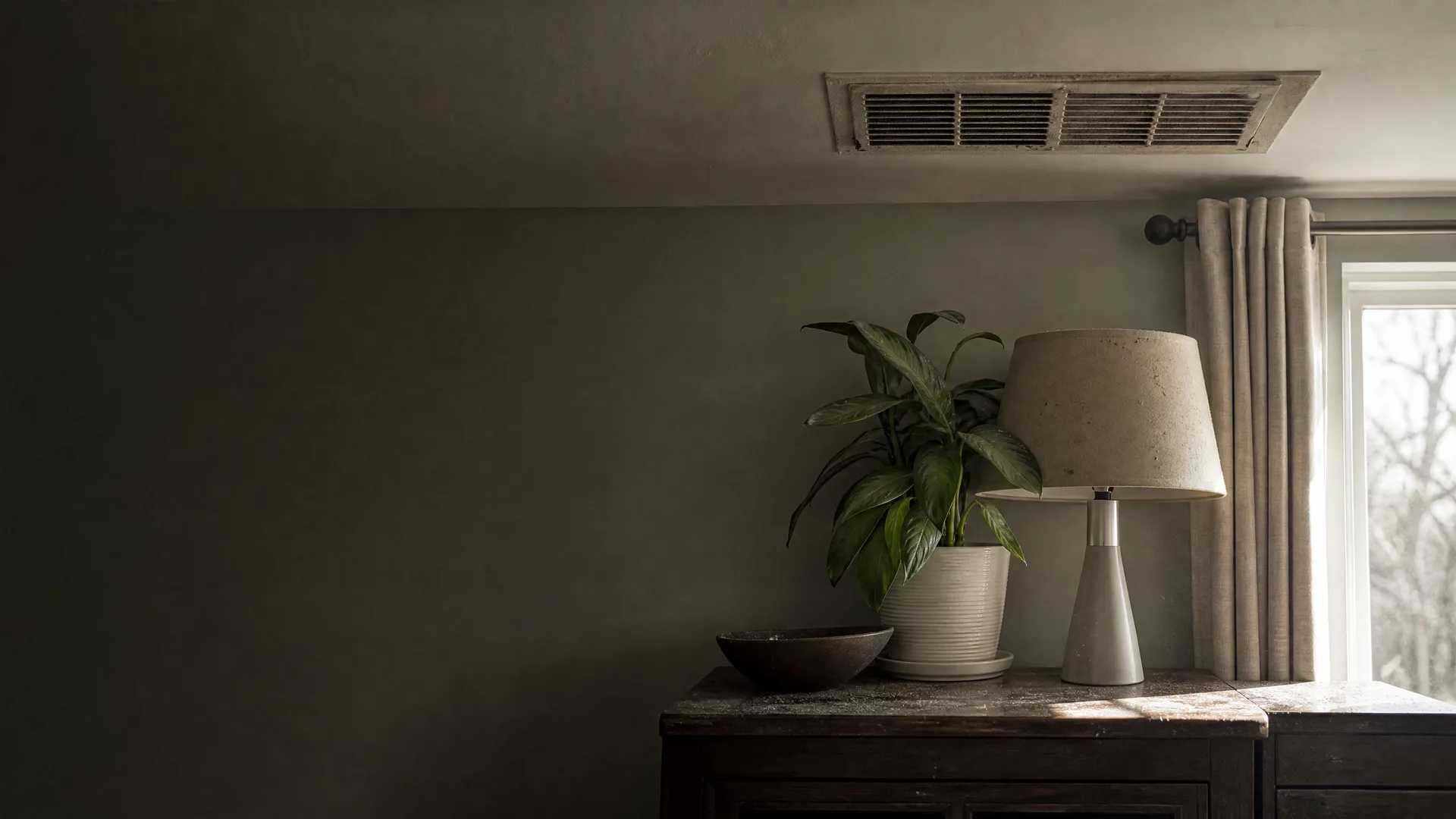
It's late April and the furnace hasn't run in days. The afternoon sun comes through the living room window and lands right on the ceiling vent, and that's when you see it: a soft gray ring of dust on the grille slats, thicker than you remembered. You run a finger along the coffee table underneath and it comes away dusty too, even though you wiped it down Saturday. The ceiling fan is off, the windows are shut. Nothing in the room explains where this is coming from except the vent itself, breathing out whatever's been sitting in the ductwork all winter.

Gray rings on the vent covers, a stale smell when the system starts, dust on the furniture days after you clean it. That's the answer. Your ducts are feeding dust back into the house every time the blower runs, in every room it reaches on both sides of the house.
Finding someone to deal with it is its own chore: searching around, calling a few companies, explaining the same thing on the phone three times, then sitting with quotes trying to guess which one is fair. This page connects you with one licensed contractor local to Troy, someone who works on duct systems in Oakland County homes all year and knows what decades of buildup in older runs tends to look like. No comparing bids, no repeat calls. Just the one conversation, with someone who already knows the kind of system you're describing.

Skip calling around