
Is duct cleaning worth it in Troy, MI
Explain the job once and skip repeating it on every call.
Start one formIs duct cleaning worth it in Troy, MI?
You keep seeing ads for duct cleaning and wonder if it actually does anything, or if it's a service that mostly just sounds good. Before you spend money on it, you want to know whether it changes anything about how your house heats, cools, or feels, and whether a home like yours around Troy has any particular reason to need it.
It depends on what's in your ducts, not on a schedule
Duct cleaning helps when there's a real reason for it: visible dust blowing out of the vents, a musty smell when the furnace or AC kicks on, or work done recently that left debris in the lines. It's not something that needs doing every year just because winter and summer both put long hours on the system here. A furnace that runs hard from October through April and an AC working through a muggy Michigan summer will pull dust through the ducts either way, but that alone doesn't mean they're dirty enough to clean. Check the supply vents and the return grille for buildup, and see if anyone in the house has new or worse allergy symptoms. If either shows up, it's worth having someone look at the actual ductwork before deciding.
What actually collects in your ducts
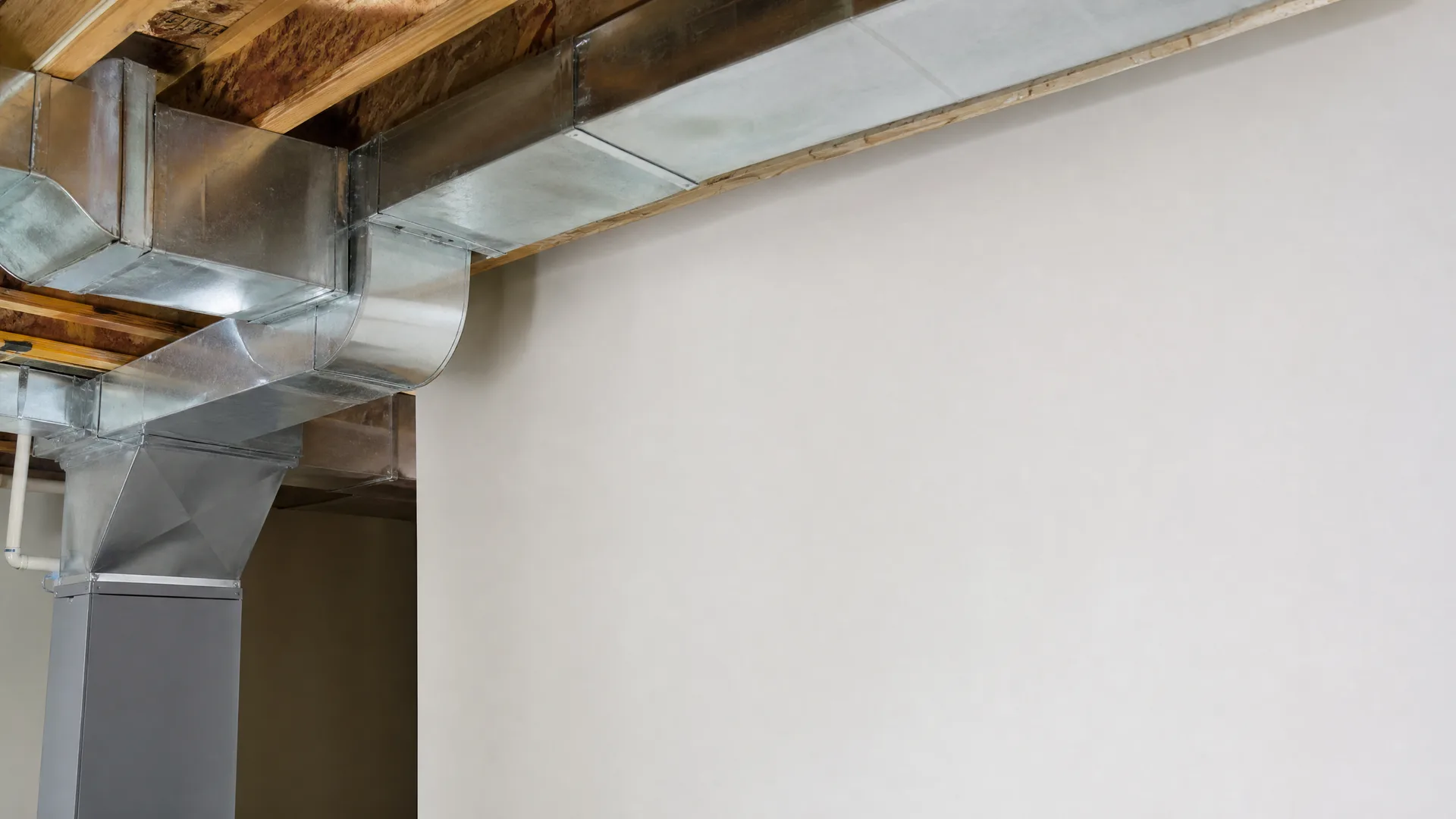
Dust, pet hair and the fine grit that rides in through windows and shoes settles in your ductwork over time, especially in the long runs and the bends near the furnace. Gas furnaces common in Oakland County homes also produce a small amount of soot at the heat exchanger, and that works its way into the supply ducts too. None of this moves fast. It builds up a layer at a time, season after season, and most of it stays put until air pushes through at full force.

Why your filter doesn't catch it all
Your filter is built to protect the blower motor and coil, not to scrub everything out of the air passing by it. Air takes the path of least resistance, and some of it slips past the filter's edges or through gaps where the return duct meets the cabinet. Over the years that unfiltered air deposits a share of what it carries directly onto the inside walls of the ducts, which is why a clean filter doesn't mean clean ductwork.

What it looks like in your house
You notice it at the vents first. A gray ring around the supply register in the bedroom, a little more dust on the furniture even a day after you wipe it down. Run your hand along the inside lip of a return grille and you'll feel it. If anyone in the house has allergies or asthma, the furnace moving that air through every room all winter is the part that matters, not just how the vents look.
Finding someone to look at it is the part you don't need to deal with yourself. Instead of pulling up a list of duct cleaning companies, reading through reviews you can't verify, and calling two or three for quotes you then have to compare line by line, you answer a few questions once and a licensed contractor working in Troy calls you. Someone who's in Oakland County homes all winter and knows what tends to be sitting in a furnace system here by January.

How old is your ductwork, and how hard does it work?
Half the homes here were built by 1975
Half the homes in Oakland County were built in 1975 or earlier. If yours is one of them, the ducts have likely never been cleaned.
Heat runs October through May
Heat runs October through May here, about eight months. That's eight months of air moving through the same ductwork, every day.
Cooling runs June through August
Cooling runs June through August. Three more months of the blower pushing air through those same runs before heat starts again.
ACS 2020-2024 · NOAA nClimDiv 1991-2020




Describe it once

The pro who gets in touch is licensed in Michigan and works in Oakland County.
Sending the form costs nothing.
If nobody in the house has allergies and the filter looks clean when you check it, duct cleaning probably won't change anything you can feel day to day.
If you've had work done on the furnace or ductwork, or you can see dust kicking out of the vents, that's when cleaning actually earns its keep.


A tech doesn't just stick a hose in one vent and call it done. The whole system connects to the same trunk line, so the work goes register by register, with a brush or whip spinning through each run to knock dust loose. A vacuum running at negative pressure pulls that dust out the other end instead of letting it settle somewhere else in the house. Each register gets sealed while it's being worked on, because without that seal the vacuum just scatters dust into the room instead of capturing it. The furnace blower and the coil are part of the job too, since every cycle of air moves across them, and what builds up there affects every room on the system, not just one. Near the furnace, where the ducts are often flexible rather than straight metal, dust tends to collect more because of the ridges inside. A tech checks the return grille and those bends before calling it finished, since that's where a rushed job gets left half done.
How a duct cleaning actually works
- A duct cleaning sends a brush or a whip spinning through each run while a vacuum held at negative pressure pulls the loosened dust back out instead of pushing it into the house.
- Every supply and return in the house connects to the same trunk line, so a tech works register by register to actually clear the whole system.
- The furnace blower and coil get cleaned as part of the job, since air moves through them on every single cycle and buildup there affects the whole house.
- A proper job seals each register while it's being cleaned, because an open vacuum without that seal just blows dust into the room instead of capturing it.
- Flexible duct runs near the furnace collect more than straight metal trunk lines do, since the ridges inside them catch dust that a smooth duct would let pass.
- The job isn't finished until the tech checks the return grille and the vents for leftover dust, since a rushed cleaning can leave the bends near the furnace untouched.
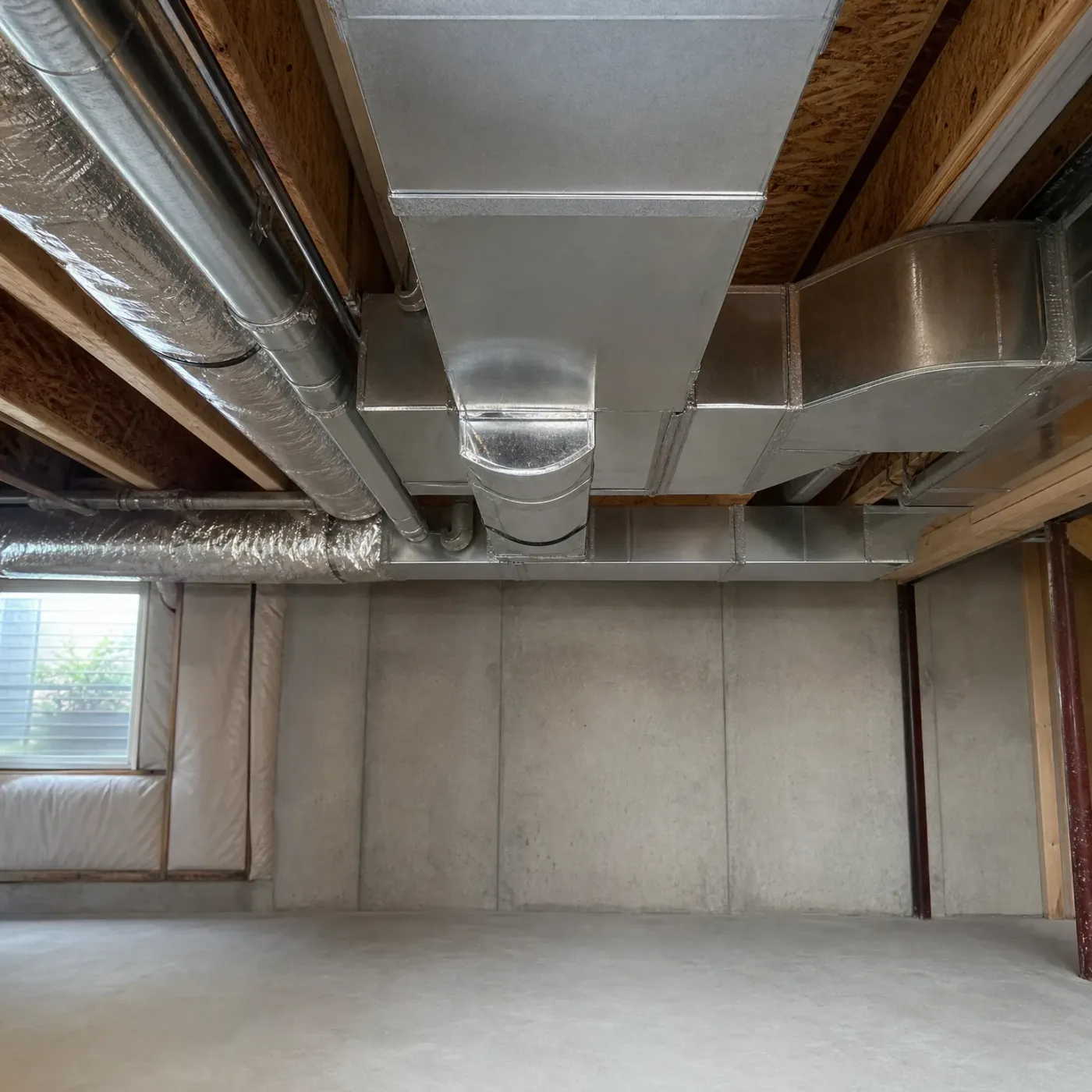
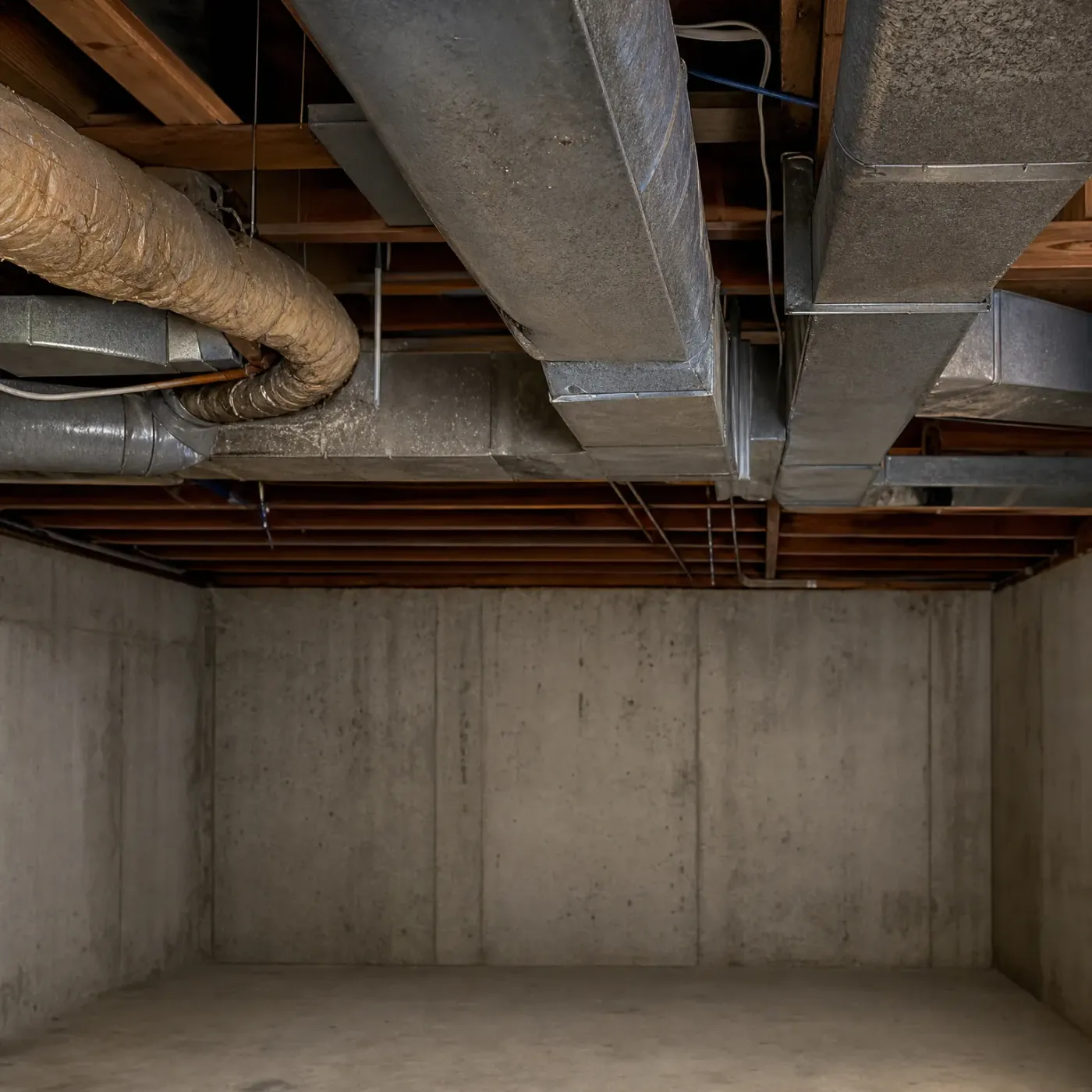
So the answer comes down to what's actually in your ducts and who's breathing it. If the filter checks out clean and nobody in the house deals with allergies, cleaning them won't change much you'd notice. If you've got a gray ring around the registers, dust that comes back the day after you wipe it down, or work done on the furnace or ductwork that left debris behind, it's worth doing. Eight months of heat pushed through runs that may never have been cleaned is a long time for dust and grit to settle into the bends near the furnace. A contractor local to Oakland County who deals with this equipment every season can look at your setup and tell you in a few minutes whether your ducts need the work or whether your money's better spent elsewhere. That's a faster answer than searching around and calling a handful of companies to ask the same question. One visit, one contractor who knows what they're looking at, and you know where you stand.


Ductwork Cleaning
No calling every shop in Oakland County
The pro who reaches out is licensed in Michigan.