







Why your house is so dusty in Warren, MI

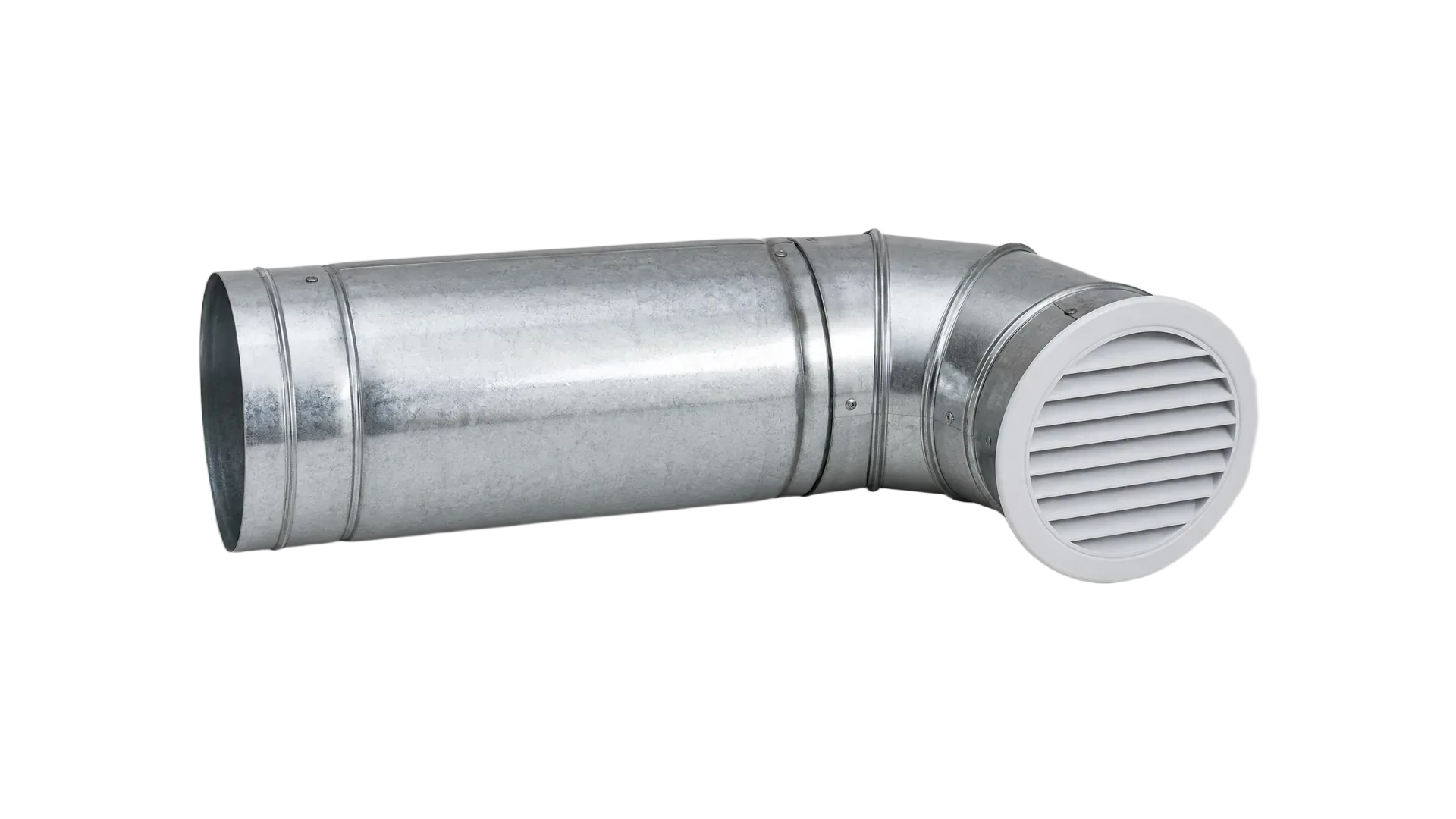
A galvanized steel round duct with a 90-degree elbow and a white louvered vent cover on one end, shown against a plain gray background.
Hand off the search

Why is my house so dusty in Warren, MI?

You dust the shelves and a few days later there's another layer. It's not just you imagining it. With a duct system running most of the year in Warren, whatever is in the air gets pulled through the house and spread around, and the filter can only catch so much of it before the rest settles back out.

Your ducts and filter aren't keeping up with what the furnace and AC are moving

Gas furnaces here run for months at a stretch, and the blower pushes the same air through the ducts over and over. Every pass picks up dust and drops some of it, in the ducts and on everything in the house. A dirty filter or one with too low a rating lets more through than it should. Leaky ducts make it worse by pulling in dust from the attic or crawlspace instead of just the room air. If the filter hasn't been changed in a while, or the ductwork has never been cleaned, that's usually where the dust is coming from, not from anything you're doing wrong.

Basement interior showing a furnace with sheet-metal ductwork, a round flue pipe and copper lines running beneath exposed wooden floor joists next to a plain light-colored wall.

Where the dust is coming from

Ducts run under the house, through the attic, behind walls. Over time they collect dust, drywall grit, and whatever gets pulled in through small gaps. Every time the furnace or AC kicks on, that air moves through the whole system and back out into every room. A filter catches some of it, but a filter only works on air that passes through it, not on what's already settled inside the duct runs themselves.

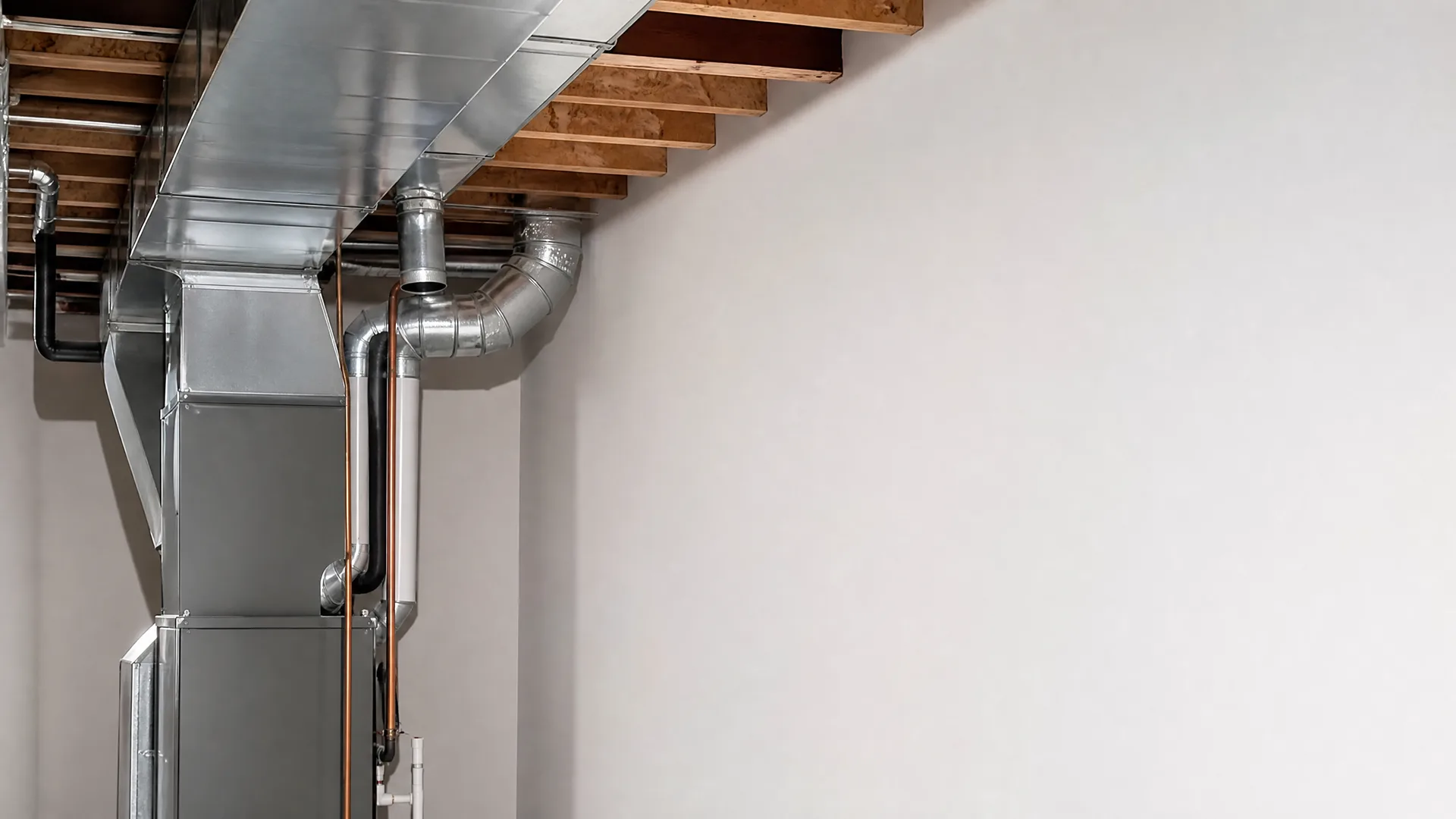
Interior corner of a building with a large blank white wall beside an unfinished ceiling showing wood joists, galvanized sheet-metal ductwork, and white and copper pipes.

What a dirty filter lets through

The filter is the one part of the system built to stop dust before it gets into your rooms. Once it's loaded up, air starts finding the path around it instead of through it, which means more dust reaches the ducts and more of it reaches your furniture. Gas furnaces run often across a Michigan winter, so that filter sees months of steady use before spring. Checking it on a set schedule matters more here than it does in a milder climate.

Why does Warren's duct system have so much to carry?

  • Half the homes here were built by 1975

    Half the homes in Macomb County were built in 1975 or earlier. Older ducts have had more years to collect grit and more joints where gaps open up.

  • Heat runs October through May

    Furnaces here run October through May, about eight months. That's eight months of air getting pulled through the ducts and back into your rooms.

  • Cooling runs June through August

    Add June through August for the AC and there are only a few weeks a year your system isn't moving air, and dust, through the house.

ACS 2020-2024 · NOAA nClimDiv 1991-2020

A duct system left alone

Nothing stops the dust from building up. Every heating and cooling cycle pulls more through the house, and more settles in the ducts themselves. A thin layer of grit on the duct walls catches the next pass of dust and holds onto it, so the buildup feeds itself. You keep dusting the same shelves, changing the same filter sooner than you expected, and the house never quite gets ahead of it. By the time a system has gone years without attention, what's moving through the vents is carrying more than it should, and the air in the house shows it.

A duct system that's been cleaned

Clean ducts give the dust nowhere to collect and build from. A furnace or AC cycling through a clear system is moving air, not stirring up grit that settled months or years earlier. Filters last closer to what they're rated for instead of clogging early. The dusting you do actually keeps the house looking dusted, instead of losing ground within days. A local contractor who works on duct systems through every Macomb County winter and summer knows what usually collects in a system this age, and can tell you from a look what's built up and what it will take to clear it out.

A smiling man in a green long-sleeve shirt stands at a dark kitchen counter with a ceramic mug, with wood cabinets, white tile backsplash, and a window and dining table behind him.
A smiling man with wavy dark hair and a beard, wearing a navy sweater, sits at a kitchen counter with a gray mug, with a dining table, potted plant and windows behind him.
A bearded man in a dark green sweater smiles and looks to his right while seated at a white kitchen counter with a gray mug, with windows and greenery behind him.
A smiling man in a dark navy sweater stands in a home interior beside a counter with a white mug, with a kitchen, hallway and potted plant in the background.

Stop chasing a duct system pro

The pro who gets in touch is licensed in Michigan and works in Macomb County.

You're not committing to anything by asking.

How dust actually moves through ducts

  • Dust in a duct system usually rides on the return side, where air gets pulled in before it ever reaches the filter.
  • A furnace blower pushes air through the ducts dozens of times a day, and each pass can knock loose a little more grit.
  • Gaps at duct joints and collar connections let in attic or crawlspace dust that never goes near the filter at all.
  • A dirty filter does not stop dust, it just lets more of it bypass the filter and ride straight through the system.
  • The blower fan itself collects a film of dust on its blades, and that film can shed into the airflow over time.
  • Return vents pull air from whatever room they sit in, so a dusty basement or closet feeds dust straight into the duct system.

Air in a duct system doesn't just sit still waiting to be cleaned. It gets pulled in through return vents, pushed through the blower, and sent back out through the supply side, over and over, all day. The filter sits in that path to catch what it can, but it only catches what actually passes through it square on. Dust that rides in along a loose joint or a gap in a collar connection skips the filter entirely and goes straight into the air you breathe. Those gaps show up most where ducts meet the furnace cabinet or run through unconditioned space like an attic or crawlspace, and they tend to open wider as a system ages.

The blower itself plays a part too. It's a fan, and fans collect a film of dust on their blades the same way a ceiling fan does. That film doesn't stay put forever. Some of it sheds back into the moving air, a little at a time, with every cycle the furnace or AC runs. A filter that's overdue for a change makes this worse, not better. Once it's packed with debris, air finds the path of least resistance around the edges instead of through the media, and whatever that air is carrying rides along with it.

None of this is unusual for a house like yours. It's just what happens in a system that moves air for months at a stretch, with joints, a fan, and a filter that can only do its job when it's clean.

A bearded man in a navy t-shirt sits on a beige sofa, laughing while looking toward a laptop screen visible in the lower foreground, with a houseplant, shelves, and a framed picture behind him.
A man with graying hair and a beard in a plaid flannel shirt stands indoors looking out a frosted window at snow-covered trees, with a ceramic mug on the sill.

Power here costs 20.25 cents per kilowatt-hour

At 20.25 cents per kilowatt-hour, running the blower more than it needs to costs you. A duct system coated in grit makes the furnace and AC work harder to push air through, and that extra runtime shows up on the bill before you ever notice the dust itself.

EIA-861 2025

What you'll notice around the house

Shelves and tables need wiping more often than they used to. Dark furniture shows it fastest. You might notice it on the floor near the vents first, since that's where the air comes out. Some people start sneezing more at home than anywhere else, or notice their eyes itching in the evening. If you run an air purifier, the filter on that fills up faster too. None of this means something is broken. It means the ducts are feeding the house more than the filter can catch on its way through.
What it means for your system

A furnace or AC pulling air through grit-lined ducts has to work a little harder every cycle to move the same amount of air. That extra effort falls on the blower motor, which runs longer than it should to push air through a narrowed path. Over time that wear adds up faster than it would in a clean system. The filter takes on more than its share too, loading up sooner and needing changes more often than the schedule on the package suggests. None of it shows up right away, but it doesn't reverse on its own either.

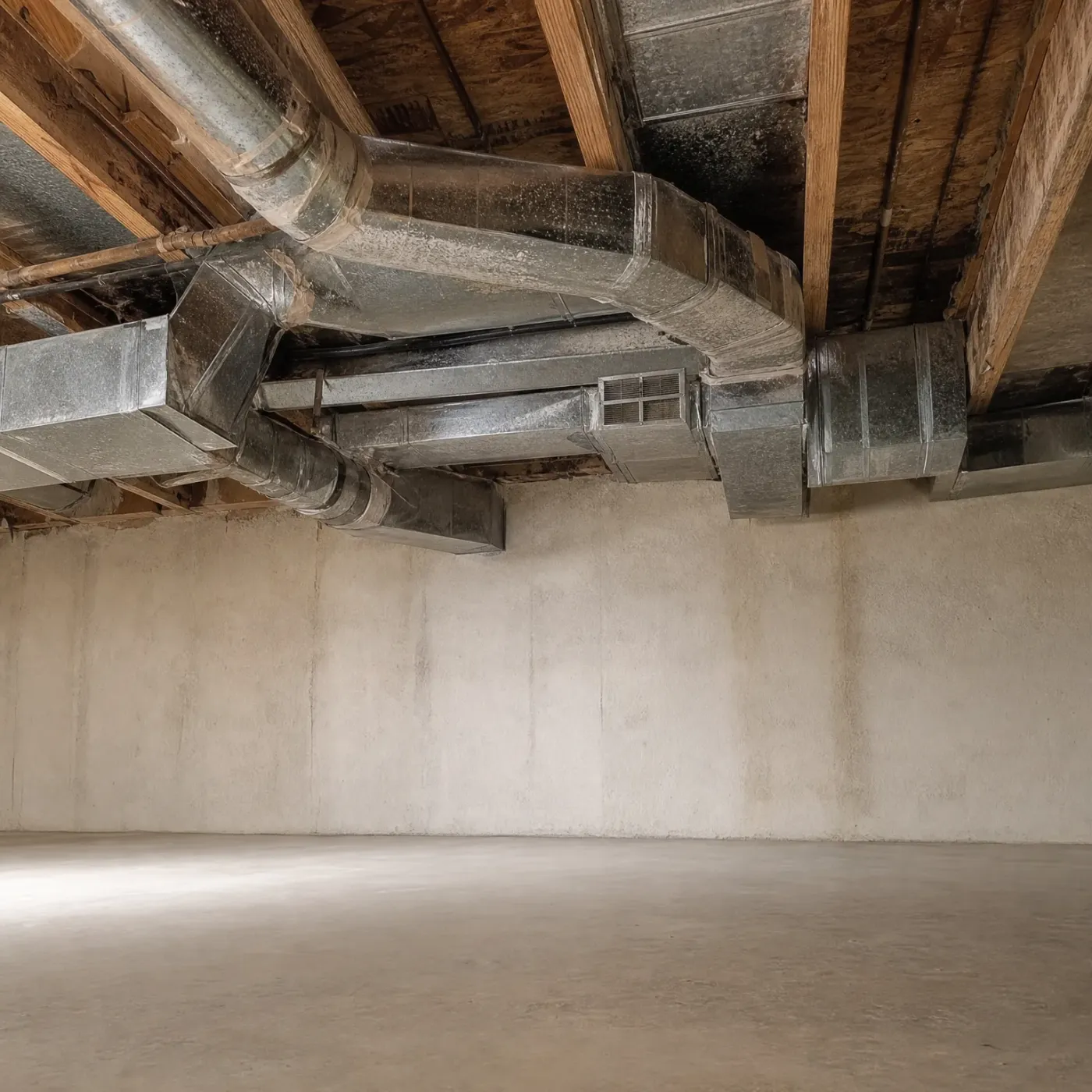
An empty basement room with bare concrete walls and floor, with galvanized sheet-metal HVAC ductwork and a vent grille running along the wooden joist ceiling.
Before you get your ductwork cleaning
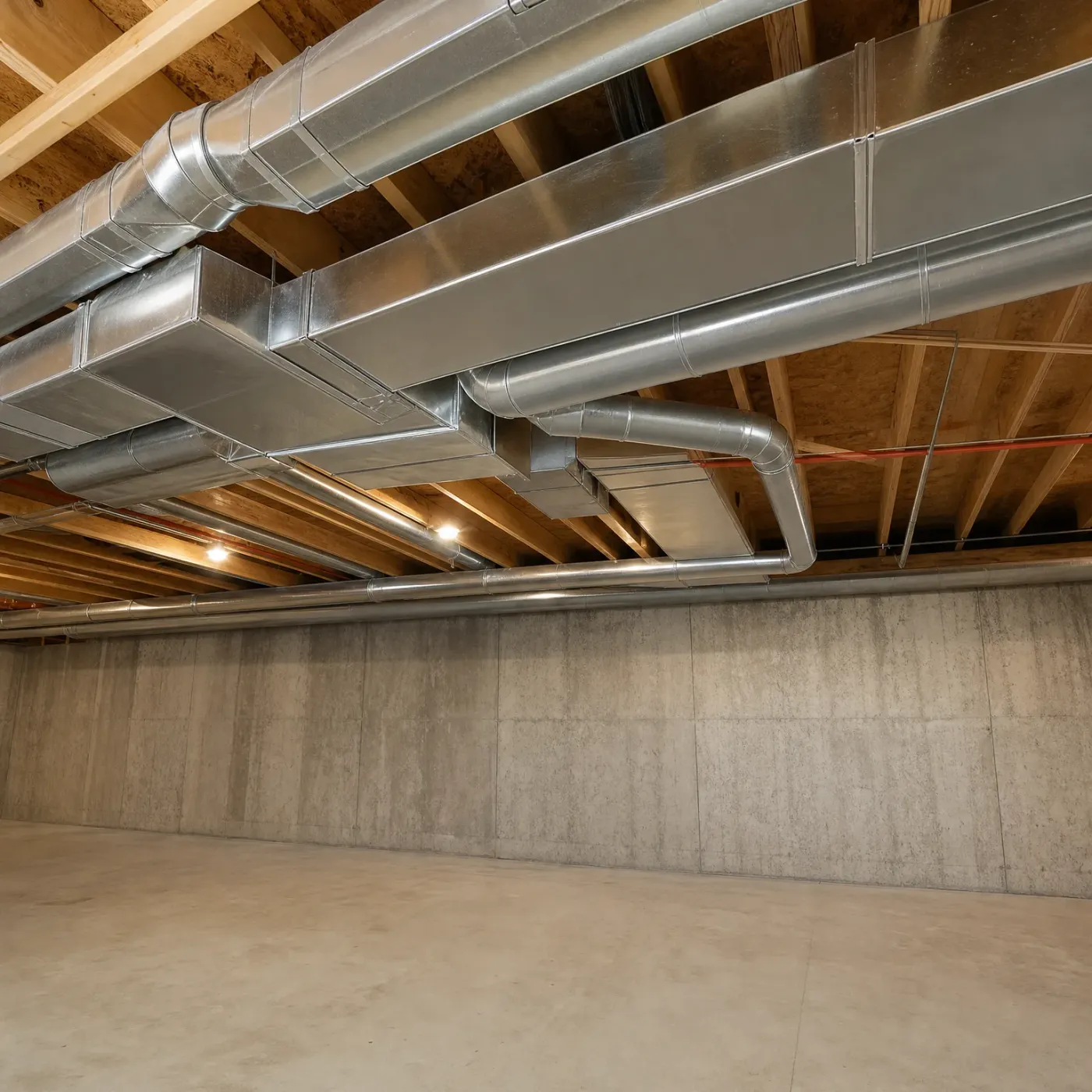
Unfinished basement with bare concrete floor and walls, showing galvanized sheet-metal HVAC ducts, pipes and recessed lights beneath a wood-joist ceiling.
After you get your ductwork cleaning
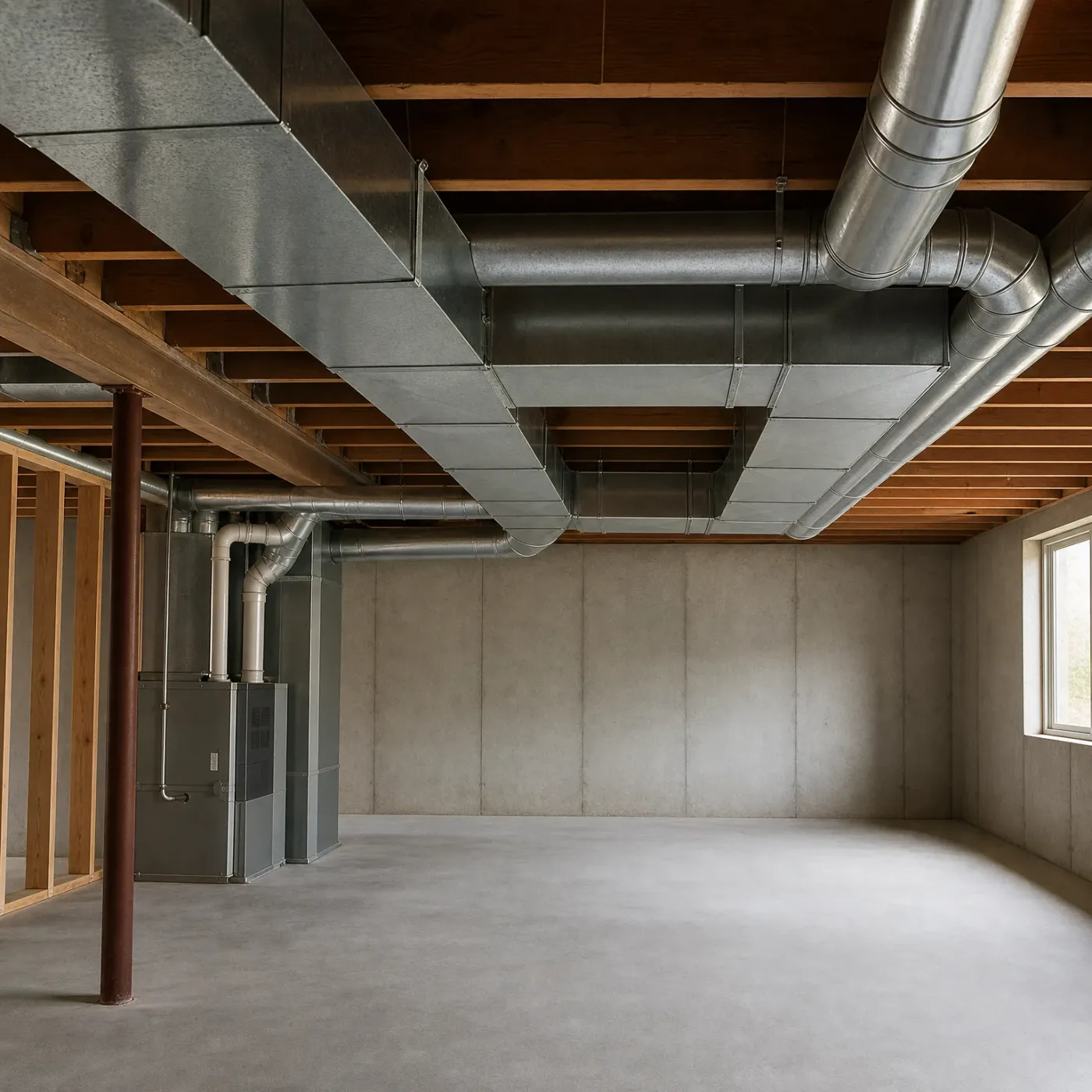
Unfinished basement with concrete floor and walls, exposed wood joists, galvanized sheet-metal ductwork, a furnace unit, a steel support column, and a small window.

Ductwork doing its job

This is what a clean system looks like. Air moves through the sheet metal and the spiral duct without picking up much along the way. The furnace and the vents handle what passes through, and the house stays easier to keep ahead of.

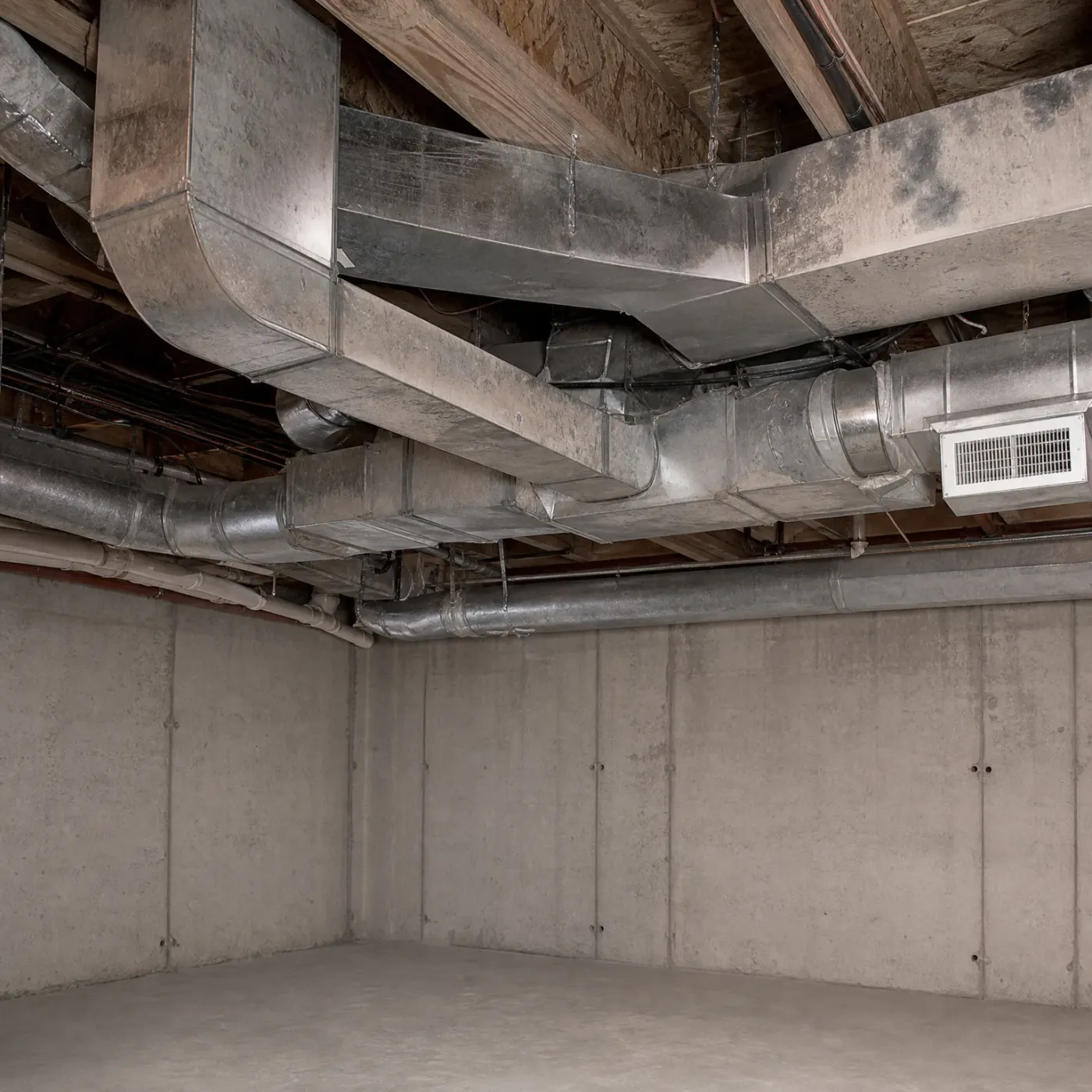
Empty unfinished basement with bare concrete walls and floor, showing exposed wooden joists, galvanized sheet-metal ductwork, pipes, and a white vent grille overhead.

Ductwork carrying buildup

Grit collects on the inside of the metal and the flex duct, and every cycle pushes some of it out through the vent into the room. That single grille is doing the same job as the one next to it, just with more riding along for the trip.

The dust in your house is coming from the ducts, and it keeps coming back until someone cleans them out. That's the whole answer. A system that's been running since October isn't going to clear itself, and wiping the shelves again tonight won't touch what's sitting in the ductwork behind your walls. What helps is someone who works on duct systems in Macomb County homes regularly and knows where grit tends to build up and which joints tend to open gaps, because that's most of what they see this time of year. Send the request and you're matched with one licensed local contractor, not a handful of companies calling you back at once. From there it's off your plate. You'll know who's coming, they'll know your kind of system, and the dust stops being something you just live with.

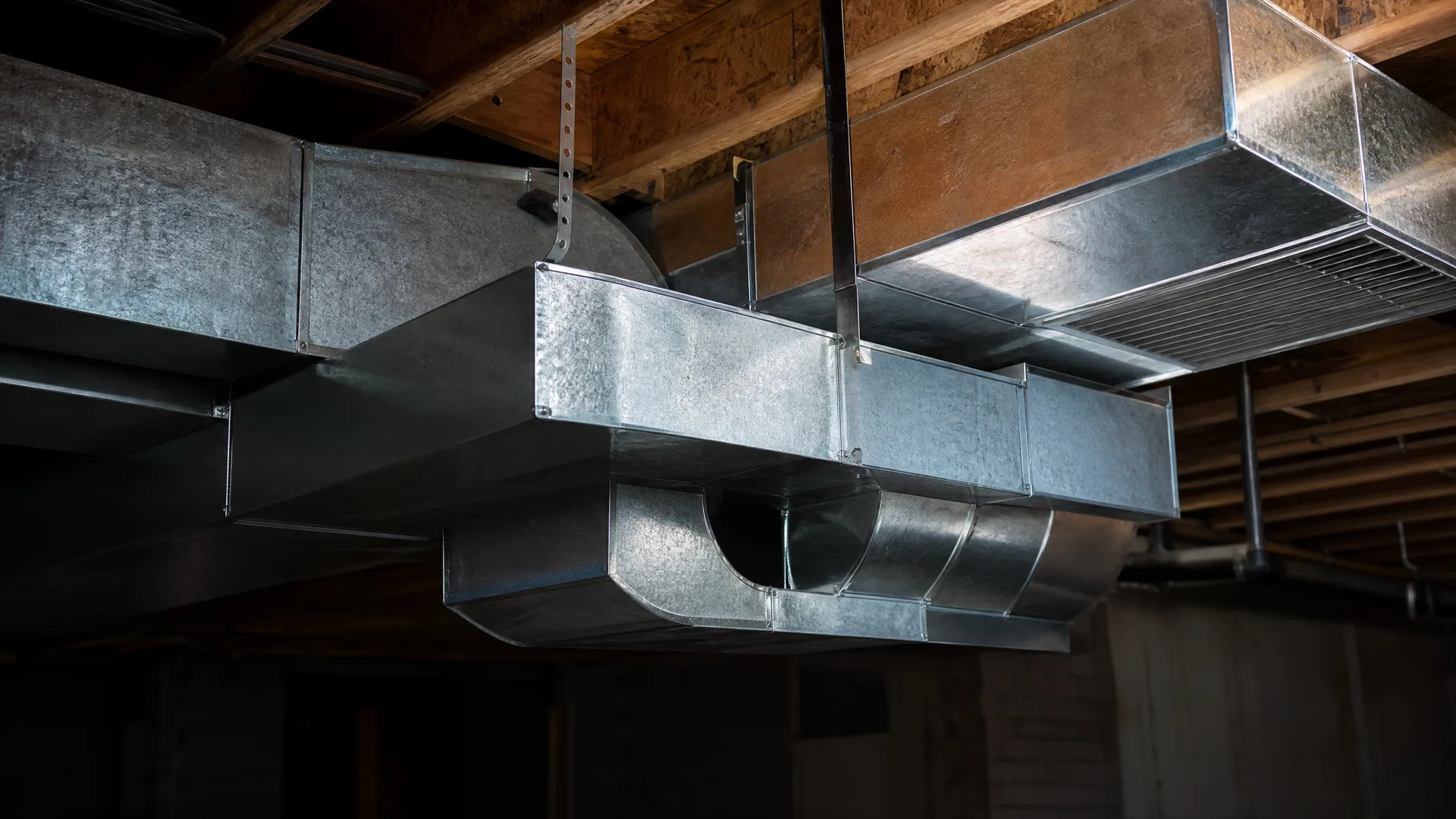
Galvanized sheet metal HVAC ductwork with rectangular trunks and round takeoffs suspended from wooden floor joists in an unfinished basement ceiling.

Send one request and you're done looking

Duct and vent cleaningDucts or ventsMacomb County, MI
Step 1 of 2

What ZIP code is the job in?