It's off your list after this
Mold in air ducts in Grand Rapids, MI
Grand Rapids summers get humid, and humid air moving through your ducts all season can leave mold behind, especially if there's a leak or damp spot it's feeding on. This page covers how mold gets into a duct system and what cleaning it out involves. Send the form and the search for someone qualified is off your plate.
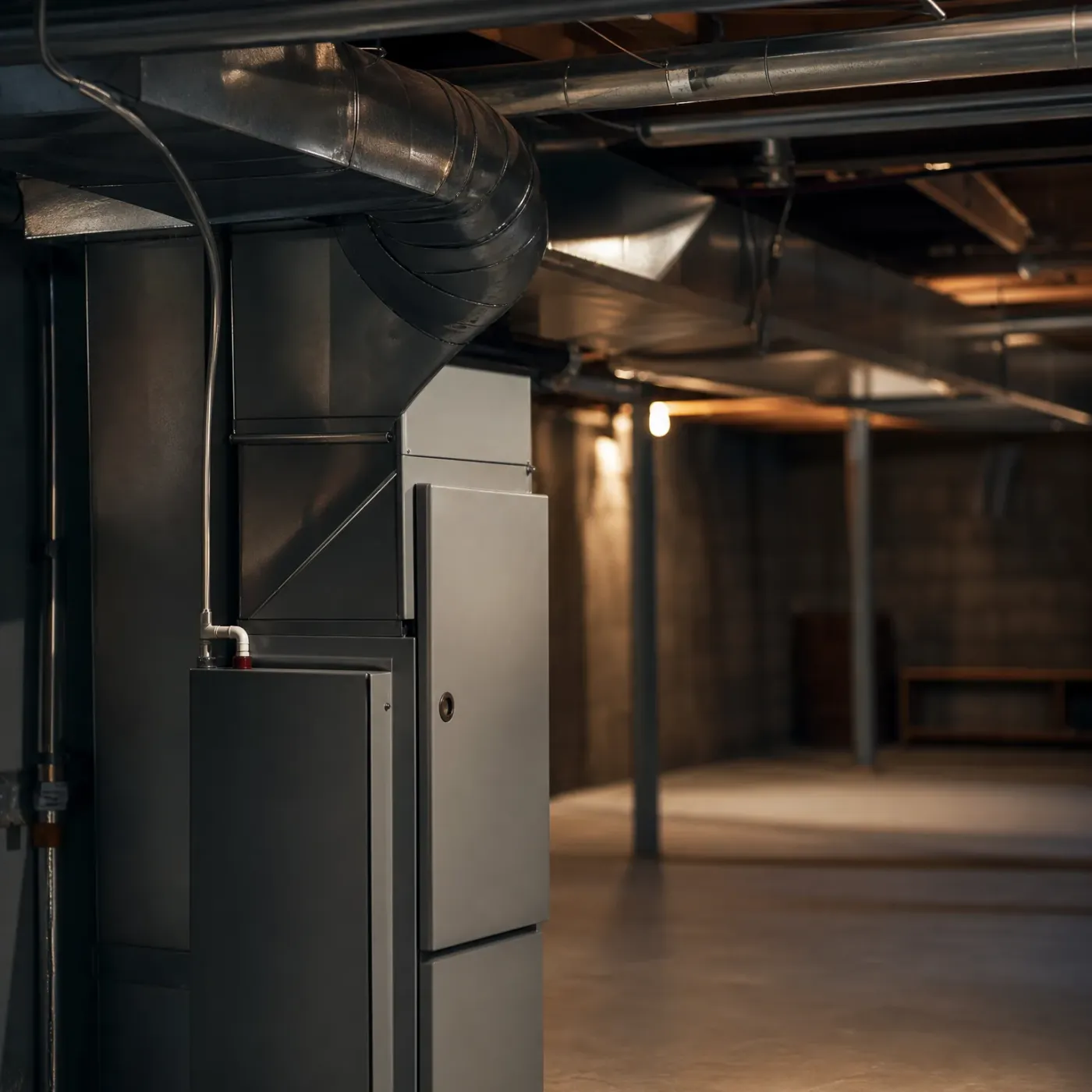
Hand it offMold in air ducts usually means moisture got in somewhere it shouldn't have: a condensation leak at the AC coil, a damp crawlspace the return pulls air from, or humid summer air settling in ductwork that never fully dries out between runs. Grand Rapids summers are muggy enough that ducts carrying cool air can sweat on the outside and hold moisture on the inside, and mold only needs a food source like dust and a little standing dampness to take hold. Once it's established, your system spreads the spores every time it runs, through the house and back into the ducts themselves, which is why dust on vents or a musty smell when the AC kicks on points at the ducts rather than just a dirty filter. Cleaning the ducts out addresses what's already there, but finding and fixing whatever let the moisture in is what keeps it from coming back.




Is that smell coming from your vents?
A musty smell when the air handler kicks on, stronger in a bathroom or bedroom near a return, is usually the first thing people notice. Sometimes there's a dark spot or fuzzy growth right at the vent cover you can see without a flashlight. Some households get a cough or stuffy nose that clears up when they leave the house and comes back inside, especially kids or anyone with allergies or asthma. If the ductwork connects to a crawlspace or basement that's stayed damp, the smell down there and the smell at your vents often turn out to be the same problem. Left alone, mold in the ducts keeps getting pushed into every room the system reaches, all day, every day.

Why the growth doesn't dry out
A duct system only dries between runs if air keeps moving through it. Once mold takes hold on the inside of sheet metal or on the insulation lining a flex duct, it keeps a damp patch alive even after the humidity outside drops. That patch feeds on dust and the moisture already in the metal, so it can keep spreading through the fall and winter even though nothing outside is still wet.
What a cleaning actually removes
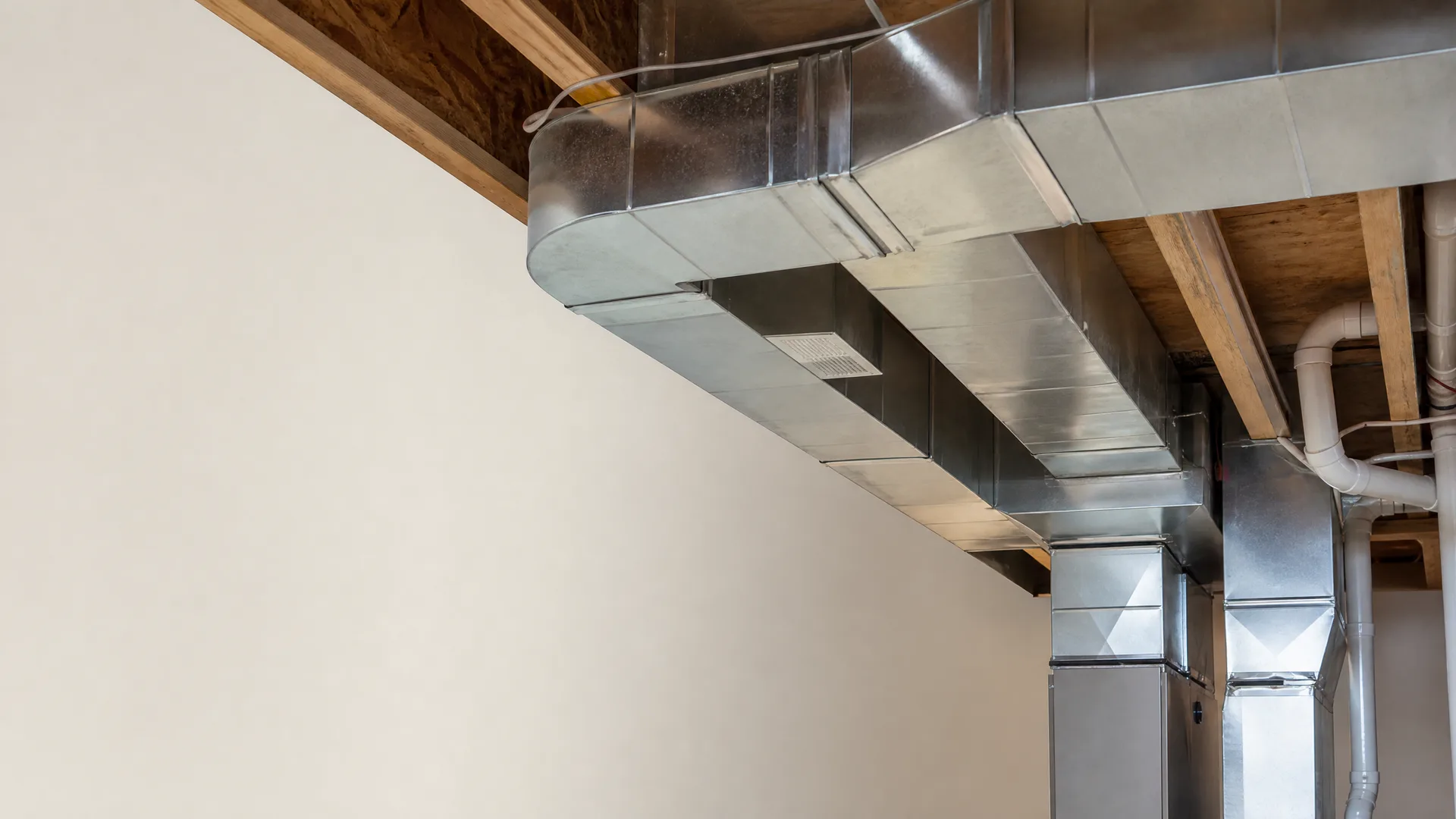
Cleaning a duct system means physically knocking loose and vacuuming out what has built up on the inside walls of the supply and return runs, not just spraying something into the vents and calling it done. A contractor works the full run from the air handler to each register, because mold growing near the coil or in the return can reseed a duct that was already cleaned near the vent cover.
Why does my AC make the mold problem worse in summer?
It seems backwards that running the AC, the thing that's supposed to dry the air out, would feed a mold problem instead of starving it. But a lot of Grand Rapids homeowners notice the musty smell gets worse once the AC has been running steady through a humid stretch, not better, and they want to know why the system that's supposed to help seems to be making it worse.
The coil stays wet, and the duct downstream of it stays damp too
Your AC pulls moisture out of the air by condensing it on the evaporator coil, and that water is supposed to drain away through the condensate line. But the air right after the coil is cold and saturated, and it moves straight into the supply duct. If that duct run has any mold already established, or a damp spot from a slow leak, the humid air off the coil keeps it fed all summer long. The harder the AC runs on a muggy Grand Rapids afternoon, the more moisture it's pulling out of the house air and pushing past that spot. A system that runs longer hours doesn't dry the ducts out faster. It just keeps more humid air moving past whatever's already growing there.

Stop chasing a duct system pro
You've already smelled it and probably looked for the source yourself, checking vent covers, running the AC to see when it gets worse, maybe wiping at a dark spot near a return. That's the part that eats a weekend: figuring out whether it's a duct problem or something else, then finding a contractor who actually does duct cleaning rather than just duct work, then getting someone out to look before you know if it's a small patch or something spread through the whole system. Kent County summers keep that moisture problem alive for months, so the longer it sits the longer that smell comes back every time the AC runs. Sending this gets a contractor who cleans ducts for a living looking at your actual system, not a guess based on what you described over the phone. You still have a humid summer ahead and a duct system that needs air moving through it to dry out. Handing off the search part is the piece you can do something about today.

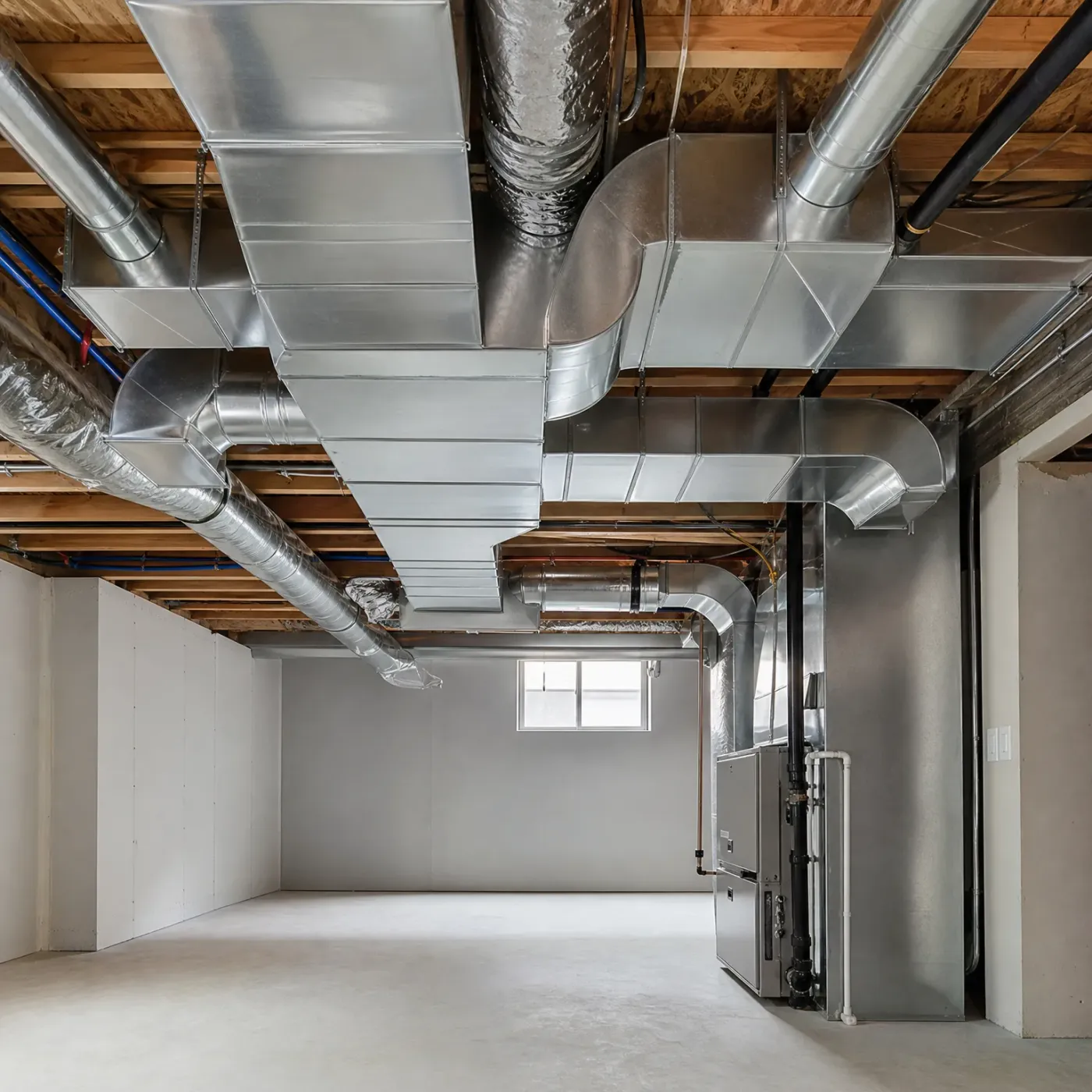
A tech inspects every supply and return run with a camera.
Negative air pressure gets set up with a powerful vacuum at the trunk line.
Agitation tools knock mold and debris loose from duct walls.
Loosened material gets pulled into the vacuum as it's dislodged.
Half the homes here were built by 1977
Half the homes in Kent County were built in 1977 or earlier, and ductwork that old has usually been reworked, patched or added onto at least once. Every joint and seam from that work is a spot air can leak out and moisture can get in, which gives mold more places to take hold.
ACS 2020-2024


Where this leaves you
- Musty smells, visible spots near vents, and worse odor when the AC runs all point to moisture sitting somewhere in the duct system.
- A leaking coil, a damp crawlspace feeding the return, or summer humidity that never fully dries between runs are the usual sources.
- Mold on sheet metal or flex duct insulation keeps feeding on that moisture even after the air outside dries out.
- Older ductwork with patched or reworked joints gives mold more places to take hold, which describes a lot of Kent County homes.
- A camera inspection and negative air pressure cleaning remove the growth rather than just masking the smell.
- Instead of calling around and explaining the same symptoms to several contractors, sending the form here puts a local pro on it.
The smell is moisture, and the moisture usually comes from one of a few places: a coil that's been leaking condensation, a crawlspace feeding damp air into the return, or just summer humidity that sits in the ductwork longer than it should. Once mold gets a foothold on sheet metal or on the insulation inside flex duct, it keeps going even after the air outside turns dry and cool. That's why the smell doesn't fade on its own in October. Houses around Kent County that have had ductwork patched or added onto over the years give mold more seams and joints to work with, so this isn't unusual for the area. None of that gets fixed by masking the smell with a filter change or a bottle of odor spray. It takes someone looking at the actual duct runs with a camera, then pulling the growth out with negative air pressure and the right agitation tools, not just blowing air through and hoping. You already know what the alternative looks like: searching for duct cleaners, calling two or three, explaining the musty smell and the dark spot by the vent to each one, then sitting with quotes trying to figure out who actually does a thorough job versus who just vacuums the main trunk and calls it done. Sending the form here skips that part. One local pro who does this work gets your situation, and you stop being the one chasing it down.

Ductwork Cleaning
Send one request and you're done looking

- Get matched with a Kent County pro who cleans ducts.
- Describe your ductwork job, and a local pro who handles it gets in touch.

- Send it once and finding someone is no longer on you.
- Send the form and finding a duct cleaner is handled.

- Answer a few questions instead of calling shop after shop.
- Describe your ductwork job once, to one pro.
- Only one pro gets your request, so you hear from one company.
- A licensed pro who works in Kent County gets your request.