Dryer taking too long to dry in Troy, MI

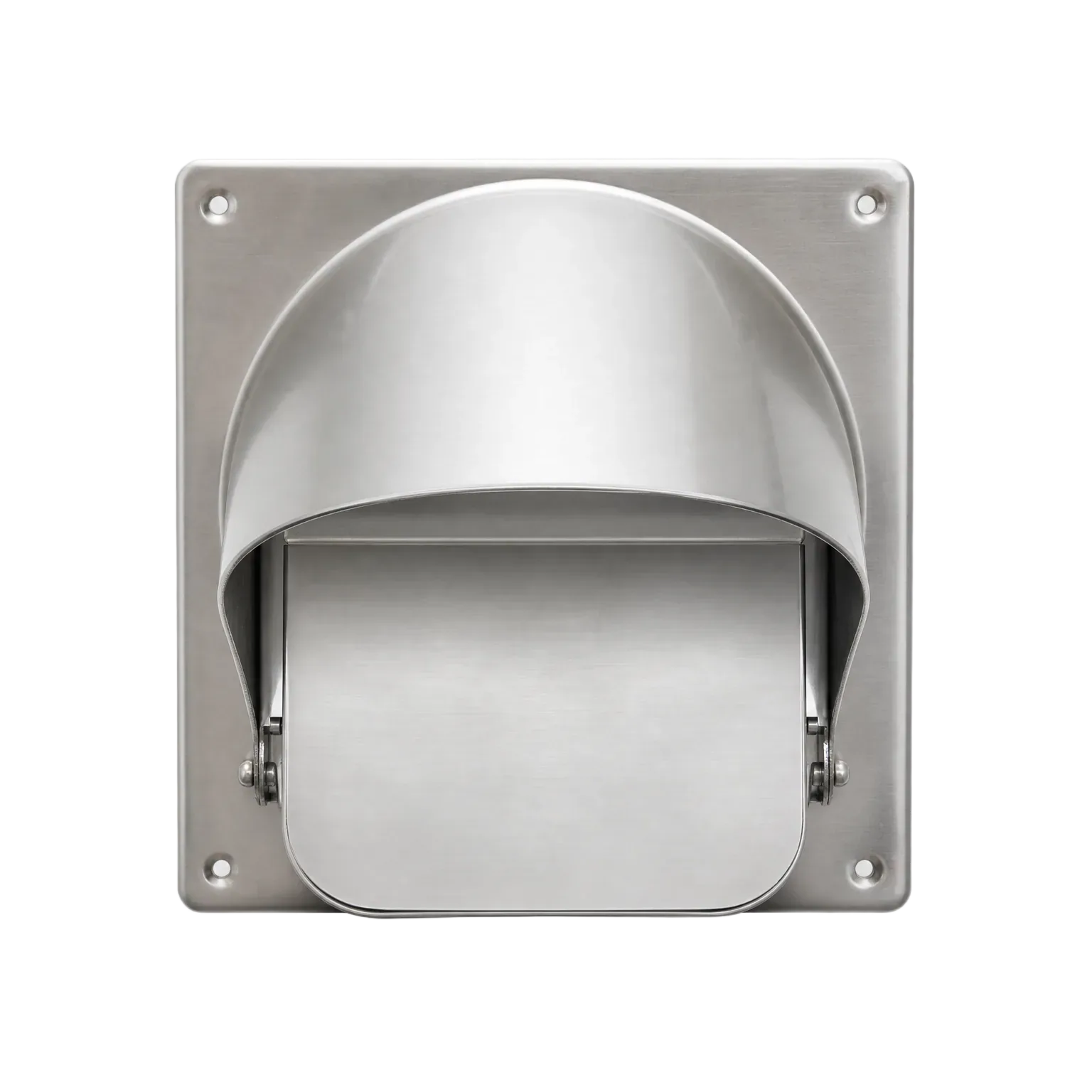
A stainless steel square wall vent with a curved hood and a hinged flap damper, shown straight on against a plain gray background.
Find a dryer vent pro

A dryer that runs two or three cycles to get clothes dry almost always has a clogged vent, not a broken machine. The drum spins and the heater works fine, but if the vent run is blocked with lint, the moist air has nowhere to go, so the dryer keeps running while damp air just recirculates through the drum. In Troy, a lot of vent runs are long, with elbows that go out through a wall or up through a roof line, and lint settles at every bend. A clogged vent also means more heat and humidity stay trapped inside the dryer itself, which wears the heating element and the thermostat faster than normal use would. If your dryer is taking two or more cycles for one load, or the outside vent flap barely moves when it runs, that is lint buildup, and it gets worse each month it's not cleared.

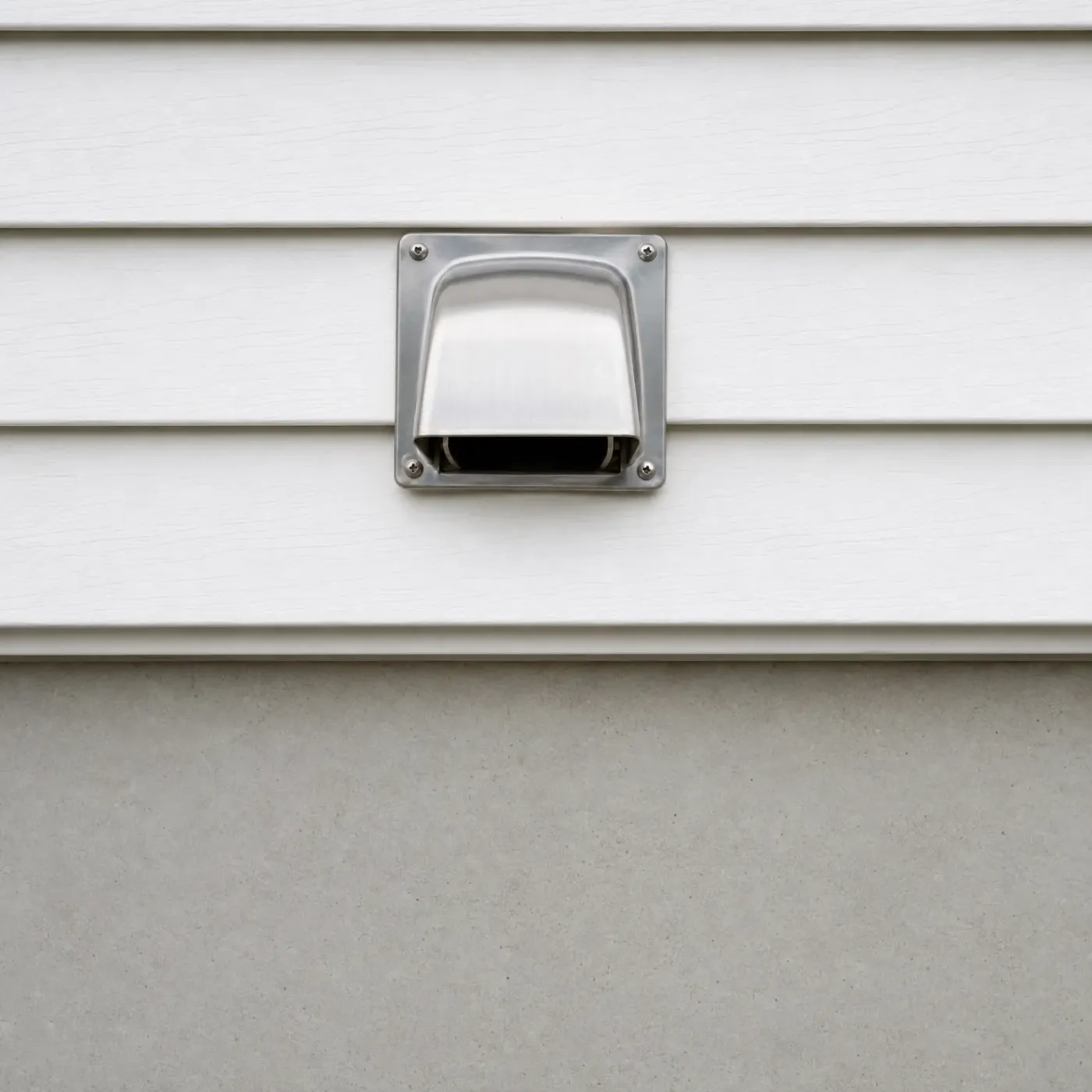
A stainless steel hooded dryer vent with four corner screws mounted on white horizontal lap siding above a gray concrete foundation.
A clear vent hood sits flush against the siding, flap swinging loose, pushing lint-free air straight outside.
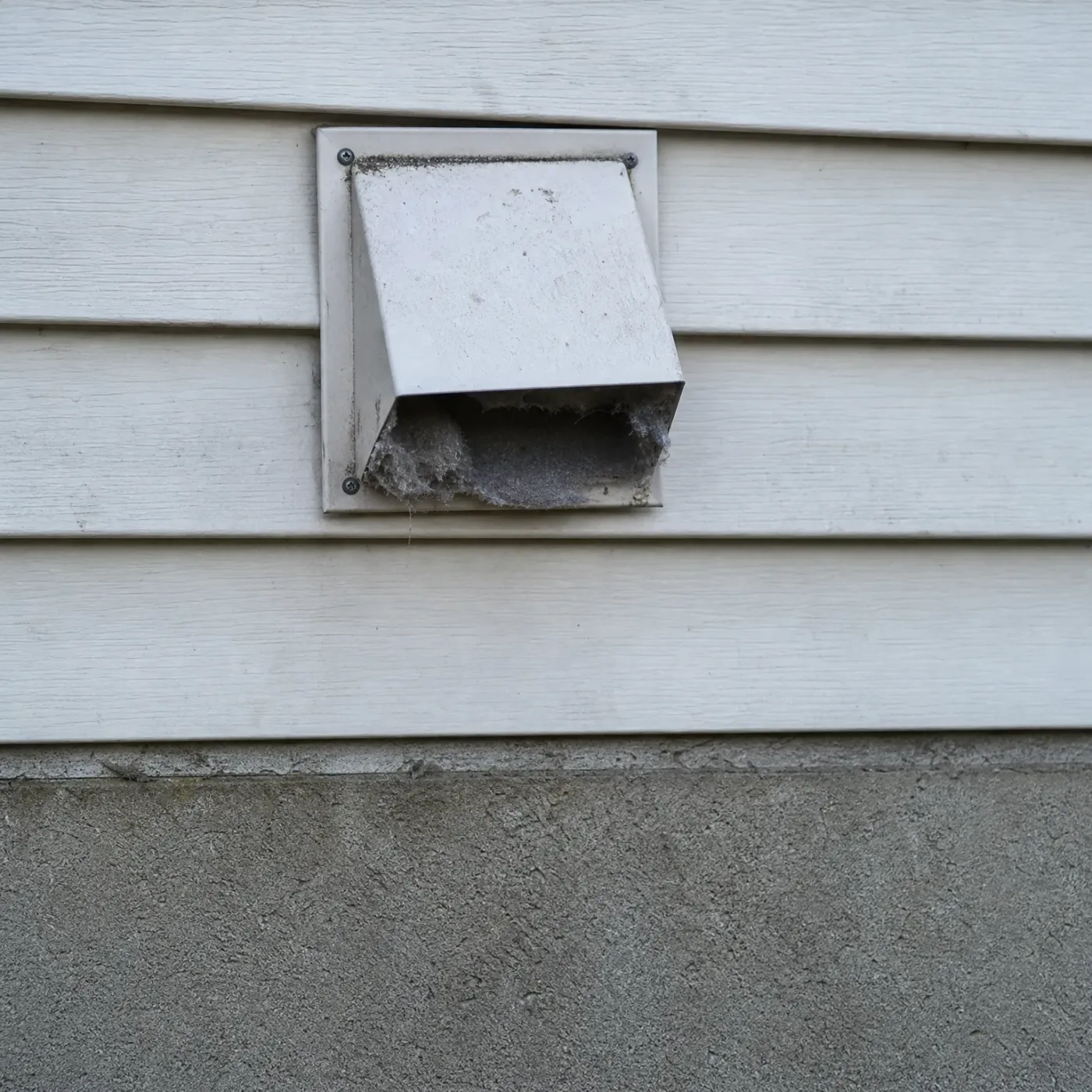
A white hooded dryer vent mounted on light-colored lap siding above a concrete foundation, with lint clogging its opening.
A clogged vent hood like this holds the flap open and sends your dryer into a second or third cycle.

Why does a slow dryer cost Troy households more than most?

  • 2.39 people per household on average

    A household here runs 2.39 people's worth of laundry through that dryer. A clogged vent means every one of those loads takes two or three cycles to finish.

  • Half the homes here were built by 1975

    Half the homes in Oakland County were built in 1975 or earlier. A vent run that old has had decades to collect lint in bends and joints you can't see.

  • Power here costs 20.26 cents per kilowatt-hour

    Electricity here runs 20.26 cents per kilowatt-hour. A dryer stuck running extra cycles to push air through a clogged vent burns through that rate every load.

ACS 2020-2024 · EIA-861 2025

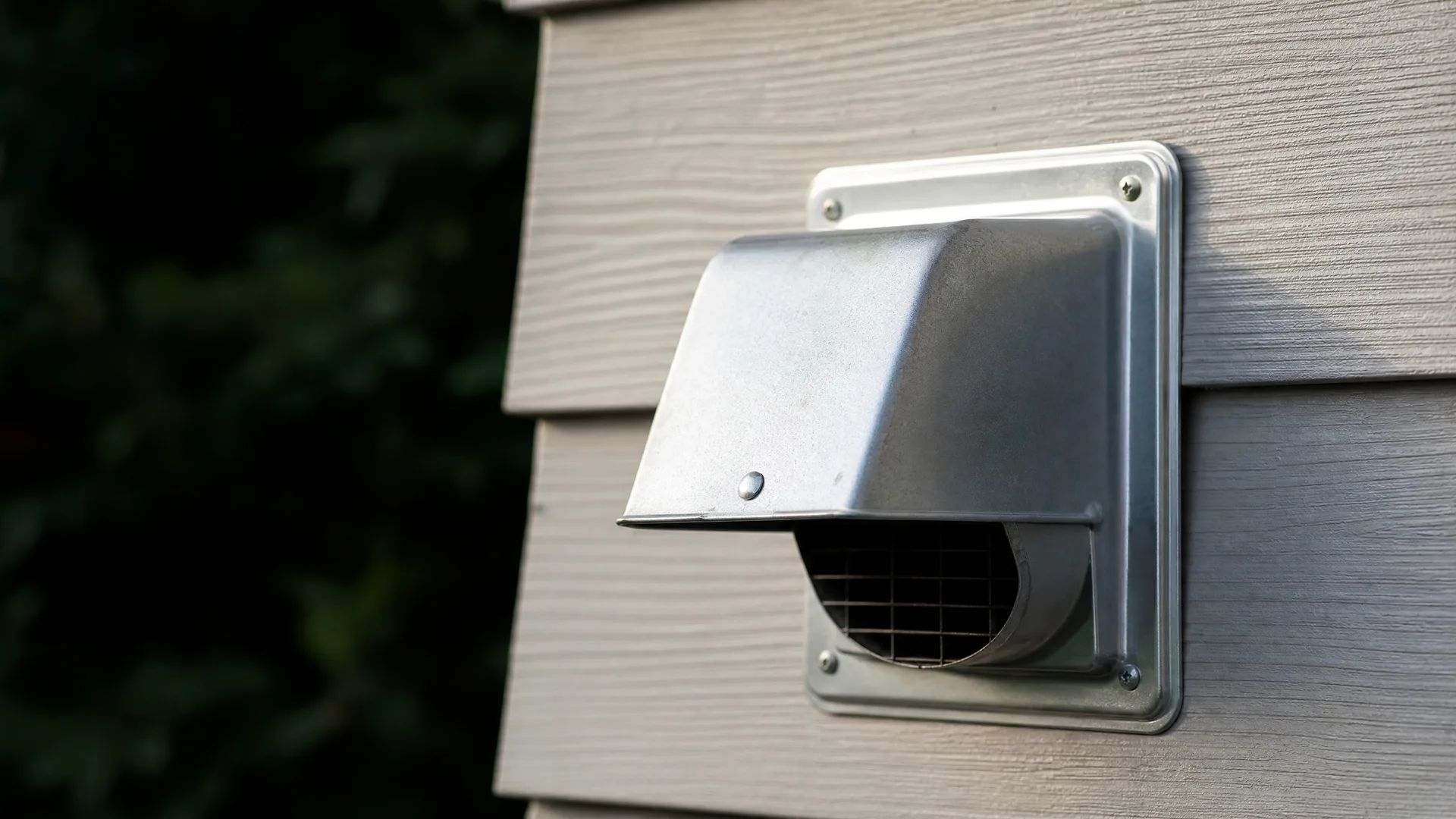
A white hooded exterior vent cover with a mesh screen mounted on gray lap siding above a concrete foundation.

Vent clear

Air moves straight through, so the flap sits loose against the hood and closes easily when the dryer shuts off. One cycle gets clothes dry. The exhaust carries heat and moisture outside as fast as the dryer produces it, and the motor and heating element only run as long as they need to.

A white plastic hooded dryer vent mounted on beige lap siding, with gray lint clogging its louvered opening and hanging below it.

Vent clogged

Lint builds up inside the hood until the flap can't close, and loose fibers hang out where you can see them. The moist air backs up with nowhere to go, so the dryer runs a second or third cycle to finish the same load. The lint sitting at the hood is also a fire risk.

Why does this load still feel damp after a full cycle

Open the door and feel the clothes. Warm and damp instead of hot and dry means the dryer is running without clearing the moisture. You might notice the top of the dryer is warm to the touch, or the laundry room feels more humid than it used to. Check the vent hood outside and you may find the flap barely moves, or lint sitting right at the opening. Run your hand near it while the dryer runs; little or no airflow means the exhaust has nowhere to go. Left alone, that trapped heat and moisture is what lint fires start from, and it's the main reason a dryer wears out its heating element long before it should.

A woman in a cream cowl-neck sweater stands in a lamp-lit room looking out a window at a snow-covered yard with shrubs and bare trees at dusk.
A woman in a gray turtleneck sweater stands near a large window in a lamp-lit living room, looking out at falling snow and snow-covered conifers.
A woman in a chunky knit sweater stands by a large window looking out at snow-covered ground, with a dimly lit living room containing a gray sofa, framed artwork, shelves and table lamps behind her.
A woman in a gray turtleneck sweater stands in a dimly lit living room with a lamp and bookshelves, looking out a multi-pane window at falling snow.

Clear The Vent Or Keep Running Extra Cycles

Clean the vent

  • A contractor runs a brush through the full vent line, from the back of the dryer to the hood outside, and pulls out what's built up.
  • Once the line is clear, air moves fast enough to carry moisture out in one cycle instead of two or three.
  • The flap on the hood starts closing again after the dryer shuts off, which it can't do when lint is holding it open.
  • Clearing the line also lowers the heat that builds up inside the dryer cabinet during a cycle.
  • A straight, short run is a quicker job than one with several turns or a long distance to the outside wall.
  • If birds or rodents have nested in the vent, that gets found and cleared out along with the lint.

Leave it clogged

  • Every load keeps taking two or three cycles, so the dryer runs far longer than it needs to for the same basket of clothes.
  • The motor and heating element keep working against a blocked line, which wears on both over time.
  • Lint built up near the heating element is a known cause of dryer fires.
  • Moist air that can't escape outside ends up pushed back into the laundry room instead.
  • A flap that stays propped open by lint lets outside air and pests into the vent year round.
  • The longer lint sits and packs down in the line, the harder and more time consuming it is to clear later.
A pile of gray and blue towels sits on top of a white dryer in a dim room with a wall cabinet above and a window to the right.

It's past eight on a Tuesday and the dryer has already run twice. You open the door and the towels on top are still damp enough to hold the shape of your hand. The rest of the load is cool to the touch where it should be hot. You start it again anyway, because the alternative is hanging everything over the shower rod, and head back to the kitchen to deal with whatever's still in the sink. A contractor who services dryer vents around Oakland County all season can look at a vent run like yours and tell you in minutes whether lint is the reason this keeps happening.

Find a dryer vent cleaning pro in Oakland County

A dryer that's run three cycles tonight doesn't need a guess, it needs someone to look at the actual vent line and find where the lint has packed in. That's a job for someone who clears vents in Troy and Oakland County every week and knows the runs that clog fast, the hoods that ice over, the setups that choke a dryer by February. Send the request and it goes to one contractor, licensed and local, not five companies competing for your callback. They'll reach out and look at your vent, not someone else's guess about vents in general. With gas heat and expensive power across this county, a dryer running two or three cycles a load is pulling more than it should from either one. The fix is a cleared line, and that starts with getting the right person to your house.

How long it should take

A dryer with a clear vent dries a full load in one cycle, usually under an hour. The heat stays hot, the air keeps moving, and the moisture goes straight out the hood. If you're setting a second timer or checking the load twice, the machine is working harder than it should have to. One cycle is the baseline a working vent gives you, not a best case.

What a blocked vent adds

Once lint narrows the vent, the same load can take two or three times as long to finish. The dryer isn't broken. It's pushing heat into a line that won't clear the air fast enough, so the cycle ends with damp clothes and the drum keeps turning on a second or third run. Every extra cycle is the heating element firing again and the motor running again for a load that should have finished the first time.

A bearded man in a plaid flannel shirt stands indoors looking out a window at a snow-covered conifer, with a steaming dark mug on the windowsill and wooden cabinets behind him.
A bearded man in a blue T-shirt sits on a gray couch smiling while looking down at a laptop screen, with a houseplant and window in the blurred background.

One cycle

Clothes come out hot and dry the first time. The vent is clear, so the motor and heating element don't have to work past the point they were built for.

Find a licensed dryer vent pro

Three cycles

Clothes come out warm and damp twice before they're done. Every extra cycle runs the heater and motor longer, on the same clogged line.

Find a licensed dryer vent pro
A woman stands in the open front doorway of a single-story house with a covered porch, stone column bases and a dormer window, facing a man in a dark cap and gray polo shirt seen from behind in the foreground.

What's actually happening inside that vent line

A dryer vent isn't just a straight pipe to the outside wall. Most runs have at least one or two bends, where the line turns to get around a stud or drop down to the hood. Lint doesn't travel well around a bend. It rides the airflow fine in a straight run, but at a turn it slows down and starts sticking to the inside of the duct. Over time that one bend narrows until it's doing most of the blocking, even while the rest of the line looks clear.

That's why clearing a vent isn't the same as running a brush in from the dryer and calling it done. Someone who does this work in Troy regularly checks the hood end too, where the flap can get packed with lint from the outside in, and knows which bends in a typical run tend to choke first. A local contractor who's cleared vents in houses like yours before isn't guessing where to look. When you get matched with one, it's a single contractor who already knows what that search usually turns up, not a string of calls from companies working off the same checklist.

A living room corner with a light beige sofa holding a textured taupe cushion, a large ceramic vase of olive branches by a window, a framed neutral artwork on the wall, and a dark bowl with stacked books in the foreground.
  1. Wet clothes tumble and release moisture as hot air circulates.

  2. Moist air travels down the vent line toward the outside hood.

  3. Lint catches on bends and builds up along the way.

  4. Buildup narrows the path, trapping moisture inside the dryer.

A white plastic hood-style dryer vent mounted on beige horizontal siding, with its opening clogged by thick gray lint.
Before you get your dryer vent cleaning
A white hooded dryer vent with a louvered opening mounted on light gray horizontal lap siding above a concrete foundation.
After you get your dryer vent cleaning

2.39 people per household on average

With close to three people in most Troy households, the dryer runs most days, not once in a while. A vent that's slow to clear moisture has to deal with that load week after week, and the buildup inside catches up fast.

ACS 2020-2024

Where this leaves your dryer

  • A dryer running two or three cycles for one load has a blocked vent line, not a failing machine.
  • Clearing the full run from the back of the dryer to the outside hood lets a load finish in one cycle again.
  • A contractor who clears vents in Troy and Oakland County every week knows where lint packs in at the bends.
  • You get matched with one licensed local contractor, so you aren't fielding calls from several companies.
  • Until the line is cleared, the dryer keeps spending extra time and extra heat on loads that should take one cycle.
  • The hood flap closing loose against the siding after a cycle is the sign the vent is doing its job again.

A dryer running two or three cycles for a single load isn't wearing out. It's pushing hot, moist air into a vent line that can't carry it outside fast enough, and that's a problem with the line, not the machine. Clear that run, from the back of the dryer through every bend to the hood on your siding, and the same dryer goes back to finishing a load in one cycle, the way it's supposed to.

This isn't a one-time fix you do and forget. The vent will need clearing again down the road, and when it does, you want someone who already knows the runs in Troy and Oakland County homes, where the bends usually sit and how fast lint builds up at them. That's the kind of thing a local contractor who does this work every week picks up on in minutes instead of guessing at.

When you request service through this page, you're matched with one contractor, not several. You're not fielding calls from five companies trying to win the job. One licensed contractor local to Troy reaches out, looks at your actual vent line, and clears what's actually built up inside it.

You'll know it worked without being told. The hood flap outside will swing loose and close easy after a cycle instead of holding open. The dryer will run hot the whole time instead of warm. And the load you start before dinner will be done, dry, by the time you're ready to fold it.
A metal hooded dryer vent with a screened opening screwed to gray lap siding, with dark blurred foliage in the background.

Matched to your dryer vent job

Duct and vent cleaningOakland County, MI
Step 1 of 3

What kind of equipment?