



Michigan HVAC Help

How often to clean a dryer vent in Grand Rapids, MI

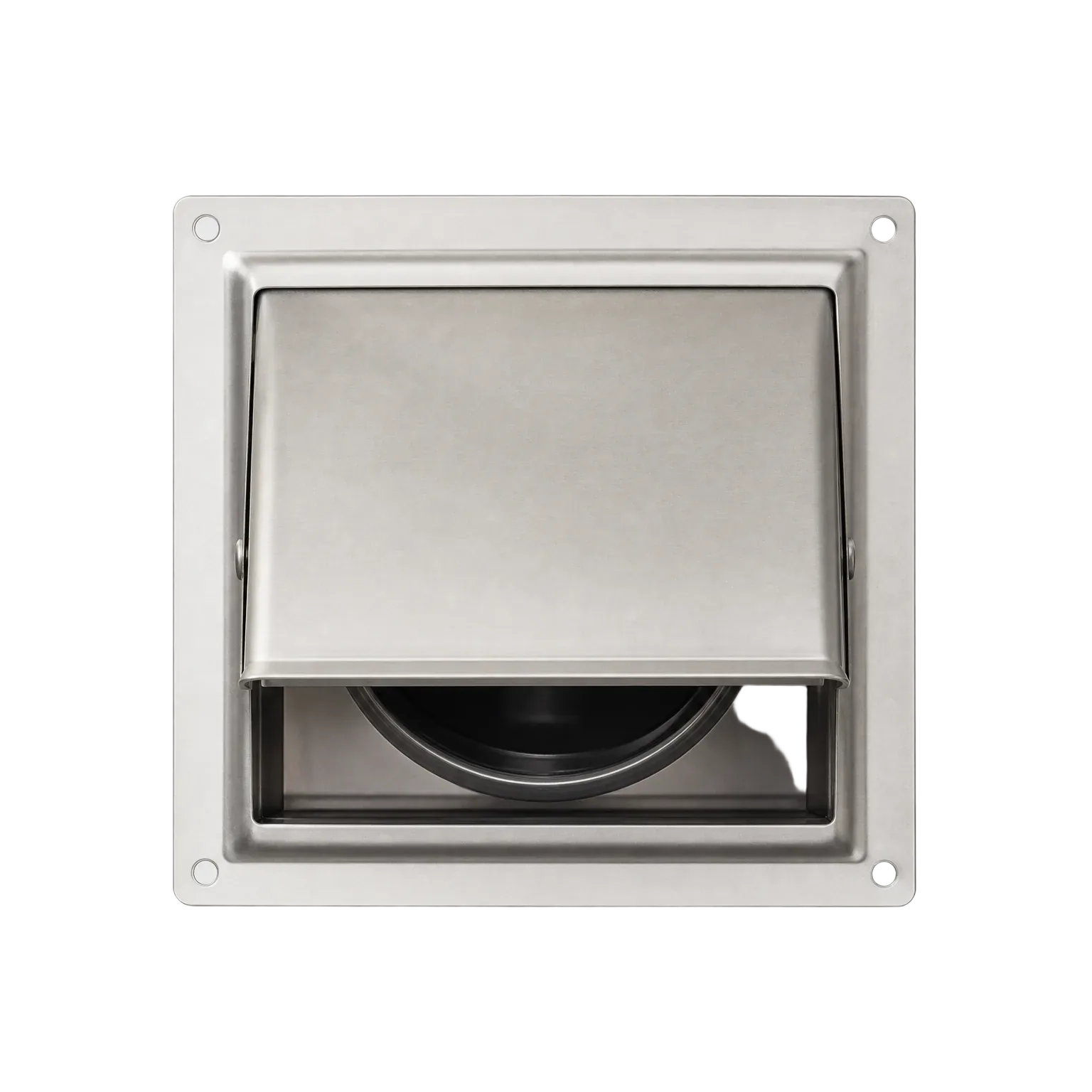
A square stainless steel wall vent with four corner screw holes and a hinged flap cover, partly open to reveal a dark circular duct opening, shown against a plain light gray background.
Match me with a pro

Once a year is the rule for most houses in Grand Rapids, and tighter if your dryer runs hard. Lint builds up inside the vent pipe, not just the trap, and a long or bent run traps more of it than a short straight one. Gas dryers push out moisture along with the exhaust, so a clogged vent in a Michigan winter means that damp air has nowhere to go, and it can linger in the vent instead of clearing the house. A dryer that takes two cycles to dry a load, runs hot to the touch, or smells faintly of burning lint is telling you the vent is already restricted. Left alone, a blocked vent makes the dryer work harder, wears out its parts sooner, and is a real fire risk. If your vent run is long, has several turns, or exits through the roof instead of a wall, check it more than once a year. A straight, short run to an outside wall can sometimes go longer between cleanings.

What does a house in Kent County mean for your vent?

  • 2.54 people per household on average

    With 2.54 people in the average household here, the dryer in your house is probably running loads most days of the week, which means lint is reaching that vent pipe just as often.

  • Half the homes here were built by 1977

    Half the homes in Kent County were built in 1977 or earlier. An older vent run is more likely to use longer ductwork or extra bends that catch lint instead of letting it pass through.

  • Power here costs 20.54 cents per kilowatt-hour

    Power here runs 20.54 cents per kilowatt-hour, among the higher rates around. A vent clogged with lint makes the dryer run longer to dry the same load, and you pay for every extra minute.

ACS 2020-2024 · EIA-861 2025

A vent cleaned every year costs you a few minutes a year thinking about it, and nothing else. You check the length of the run, note whether it's a straight shot or has a couple of bends, and plan around that instead of waiting for a sign something's wrong.

A vent left alone costs you more than that. Dry time stretches out, the dryer runs hotter than it should, and lint sitting in a long or bent pipe is exactly the kind of buildup that stops airflow and holds heat where it shouldn't be.

An older man with gray hair and a beard, wearing a dark coat flecked with snow, stands smiling in a dimly lit home hallway with lamps, a framed picture, and a wooden door.
A gray-haired, bearded man in a dark coat dusted with snow stands just inside an open door of a warmly lit home, looking off to the side.
An older bearded man in a dark snow-dusted coat and gray scarf stands just inside a dimly lit home entry, with a framed picture, lit table lamp, and an adjoining room with a fireplace behind him, and snow visible through the open door.
A gray-haired bearded man in a dark coat and scarf dusted with snow stands smiling in a dimly lit entryway with a white front door, a side table with a lit lamp, an oval mirror, and a patterned rug.

Why gas dryers clog faster

A gas dryer pushes out moist combustion air along with the moisture pulled from your clothes, and that extra humidity gives lint something to stick to inside the pipe. Over a year of loads, that buildup narrows the path the air has to travel. An electric dryer runs drier exhaust, so the lint moves through a little easier, but it still collects at every bend and joint along the way. Either way, the pipe is doing more work than the trap alone ever shows you.


What a blocked vent does

When the vent pipe narrows with lint, the dryer has to push harder to move the same air, so a load that used to take forty minutes stretches longer each time. The motor and heating element work against that resistance every cycle. Warm, moist air that should leave the house backs up instead, and some of it finds its way into the room with the clothes still damp. A pipe that is mostly clear moves air the way it was built to, and the dryer isn't fighting it.

A woman with dark shoulder-length hair sits wrapped in a gray fleece blanket on a sofa with an open book on her lap, beside a lit lamp and a dark window.
An older woman with short gray hair in a cream cable-knit turtleneck sweater smiles while looking to the side in a wooden kitchen, with a round loaf of bread on a board in the foreground and a lit candle by a dark window.

Lint doesn't collect in one spot. It coats the inside of the pipe in a layer that thickens with every load, so the whole run gets tighter rather than clogging at a single point. Bends in the pipe make this worse. Air slows down at each elbow, and that's exactly where lint drops out and sticks. Gas dryers add to the problem because the exhaust carries both the moisture pulled from your clothes and the moisture from combustion, and that damp air gives lint something to cling to instead of blowing straight through.

You can see the effects before you ever look inside the pipe. Watch the flap on the outside vent hood next time the dryer runs. It should swing open wide and snap shut the moment the cycle ends. If it barely moves, or stays open after the dryer stops, air isn't getting through the way it should. The same goes for dry time. A load that used to take under an hour and now takes two is fighting a pipe that's already restricted. Older installs with foil clamps screwed together at each seam give lint even more places to catch than a single rigid metal duct does.

How the Blockage Actually Builds

  • Lint builds up in layers along the inside wall of the vent pipe, not in a clump at one spot, so it narrows the whole run evenly.
  • Every elbow in the pipe slows the airflow passing through it, and lint settles out fastest right where the air slows down.
  • The exhaust air leaving a gas dryer runs warmer and wetter than a wall vent was ever meant to carry, which is what lets lint stick instead of blowing through to the outside hood.
  • The flap on the outside vent hood should swing open fully while the dryer runs and snap shut when it stops, and a flap that stays open or barely moves is telling you the pipe behind it is restricted.
  • A dryer that used to finish a load in under an hour and now takes two is pushing air through a pipe that's already partly blocked.
  • The screw-on foil clamps sometimes used on older installs catch lint at every seam, which is one reason a rigid metal duct outperforms them over the life of the vent.
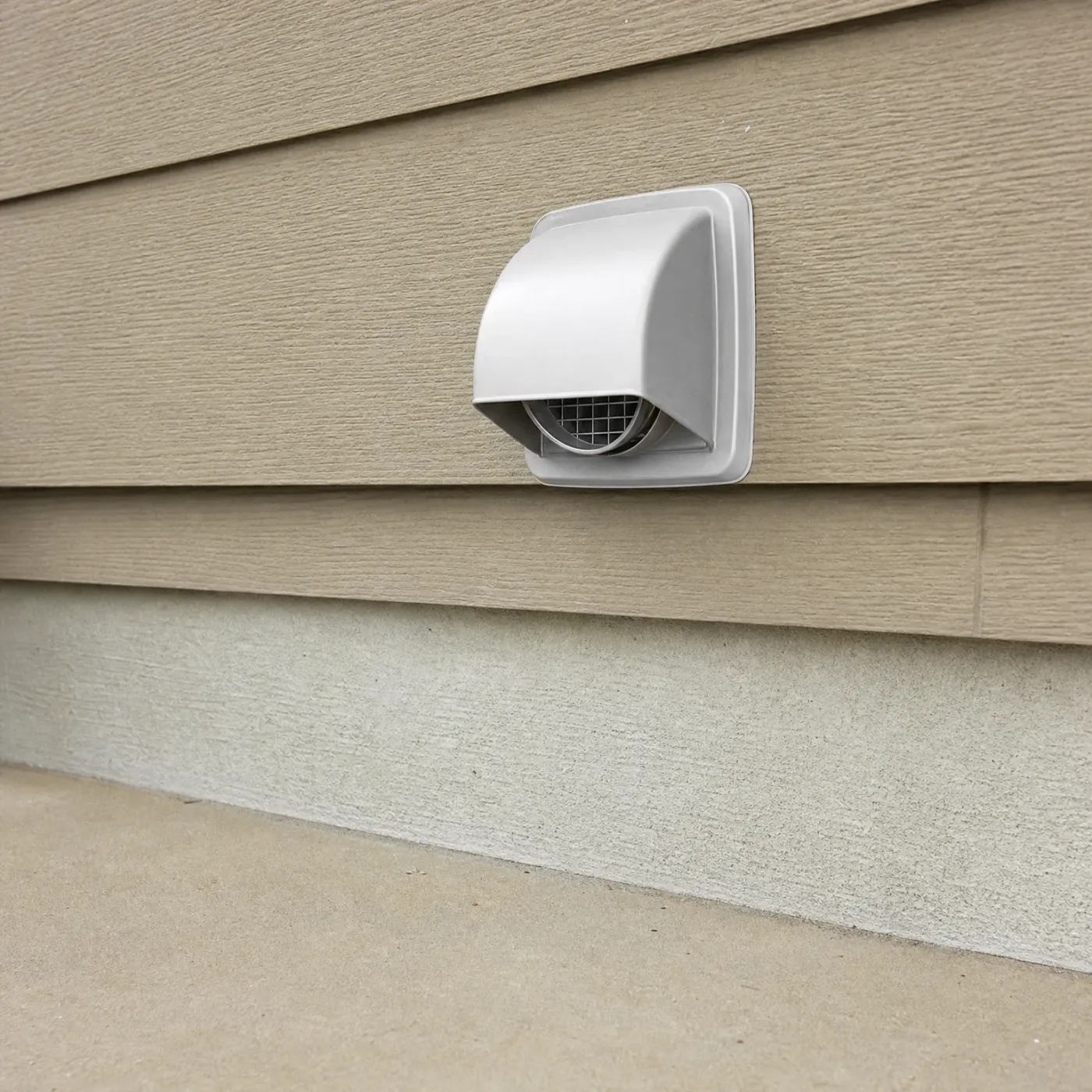
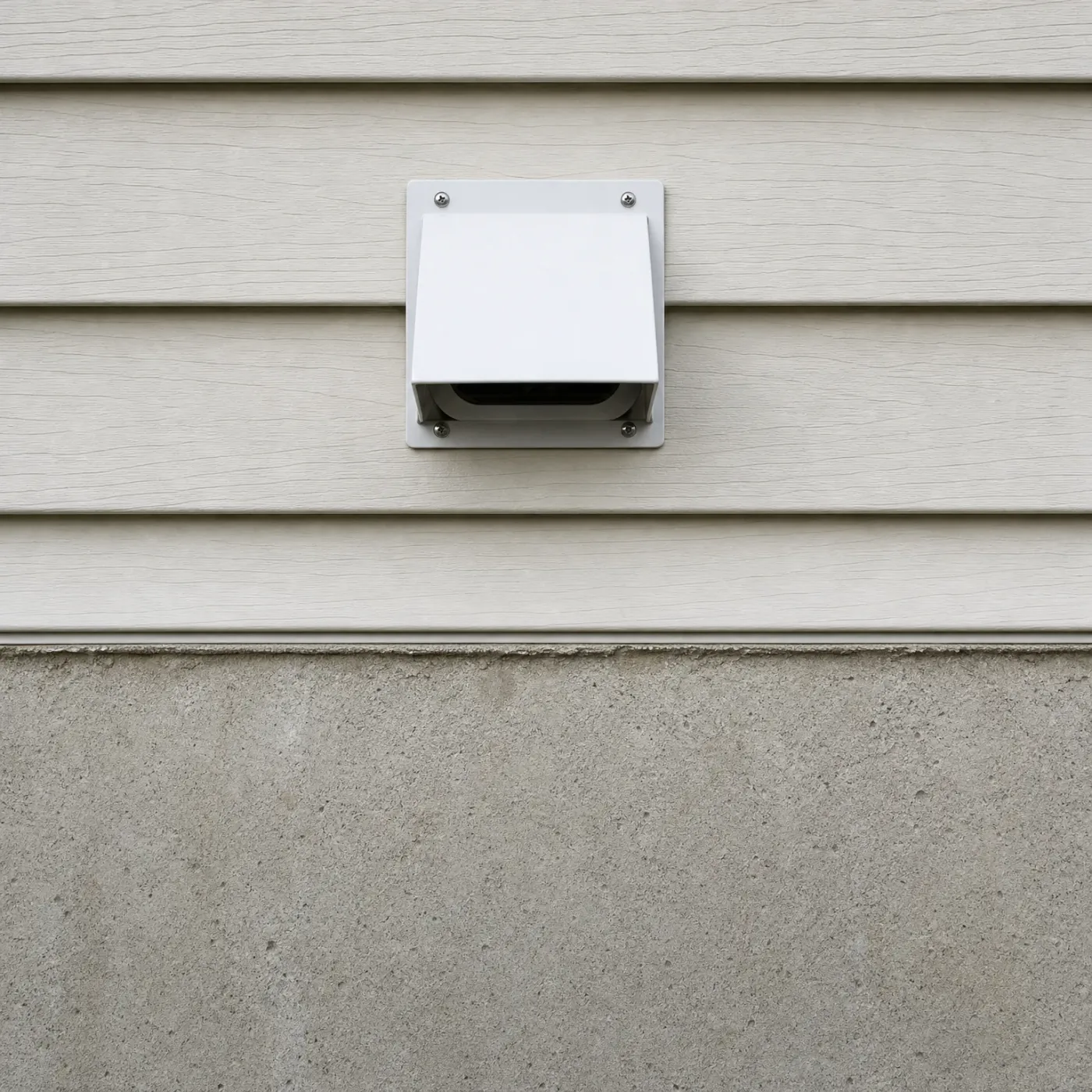
A white hooded dryer vent with a grille mounted on tan horizontal lap siding above a concrete slab.
The flap sits closed and swings free with airflow, and the screen keeps birds and mice out of the pipe.
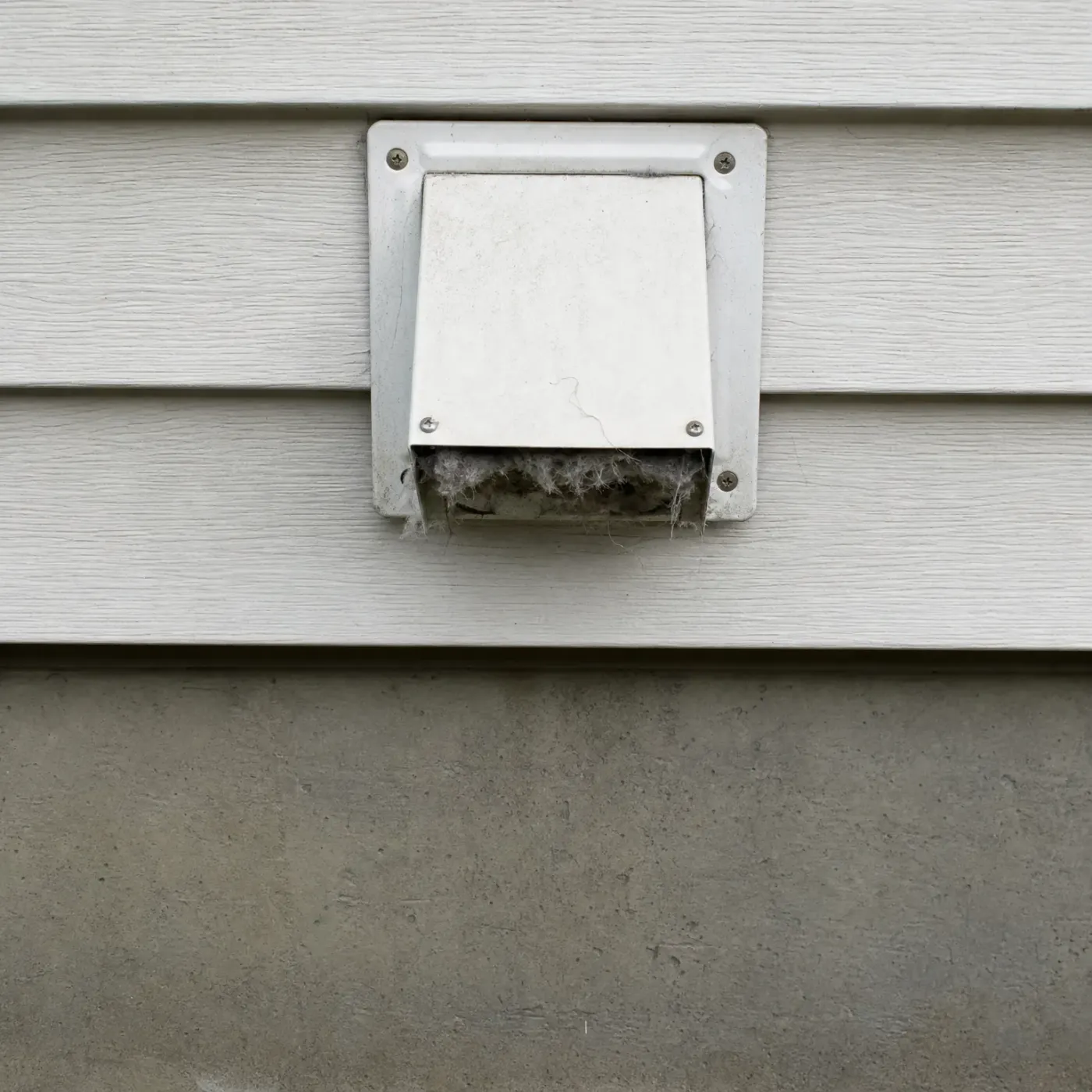
A white plastic dryer vent hood with a hinged flap mounted on light grey horizontal lap siding, with lint clogging the opening beneath the flap and a concrete foundation wall below.
Lint has propped the flap open, and a vent that can't close all the way can't push air out at full force either.

Does Your Vent Run Short or Long?

Short straight run

  • A run that goes from the dryer to the outside wall in one straight shot gives lint less surface to catch on along the way.
  • Air moves through fast and stays fast, so the lint that does break loose mostly rides along with it instead of settling.
  • Once a year is usually enough to keep a run like this clear, since it never narrows as quickly as a longer one.
  • You can often tell this vent is working by how quickly a load dries and by how strong the air feels at the outside hood.
  • A straight run still needs the yearly check, since lint builds on the pipe wall even when nothing is bent or long.

Long or bent run

  • Every elbow in the pipe slows the air passing through it, and lint settles out fastest right where the air slows down.
  • A run with two or three bends, or one that stretches further than a straight shot would need to, traps lint at each turn.
  • Loads that take longer than they used to, or a dryer that runs hot to the touch, often point to a vent like this working harder than it should.
  • This kind of run can need cleaning more than once a year, since the bends give lint several places to build instead of just one.
  • If your vent goes up through a wall or across an attic before it reaches outside, it's this kind of run, not a short one.
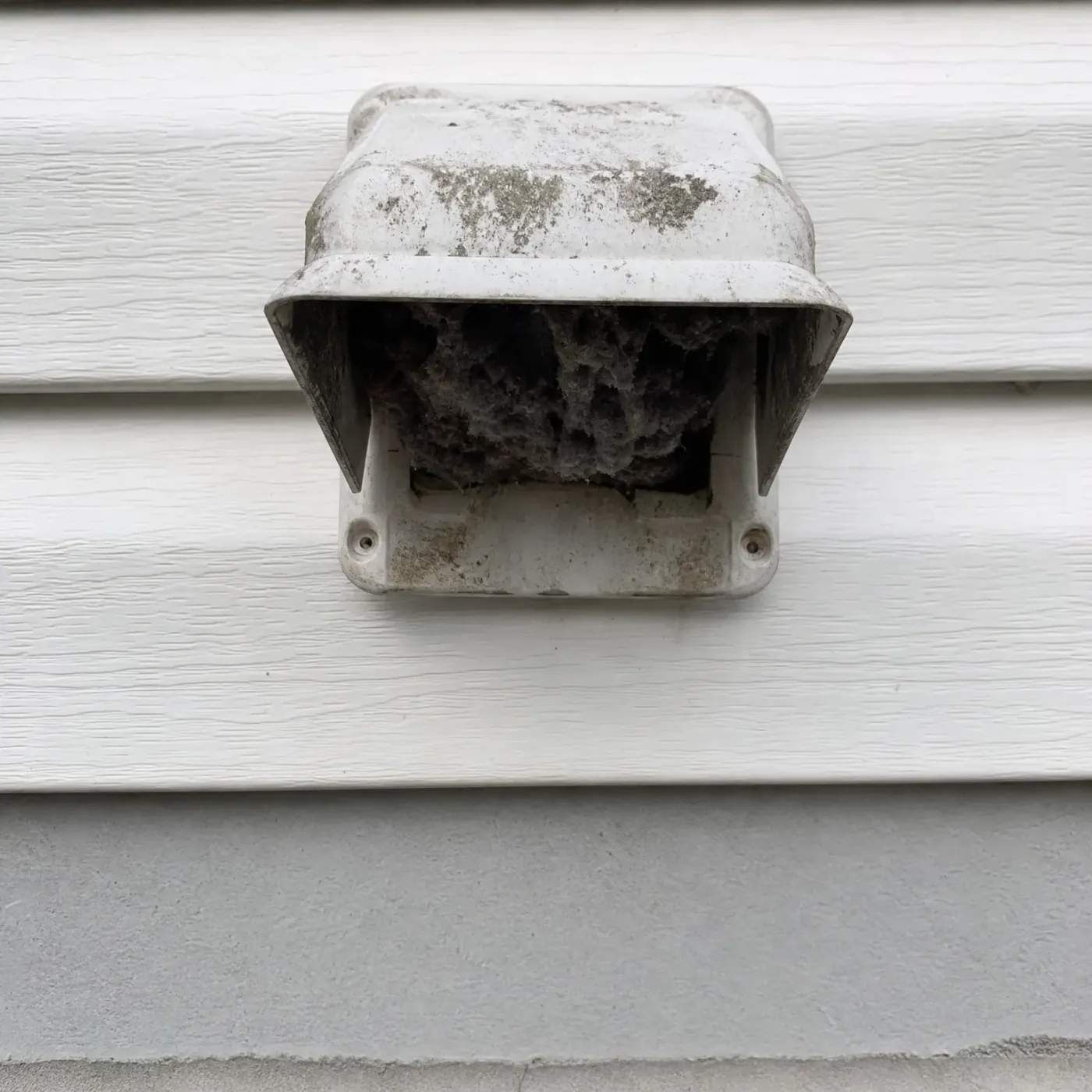
A white plastic dryer vent hood on horizontal lap siding, clogged with thick gray lint and dirt, above a lighter concrete foundation wall.
Before you get your dryer vent cleaning
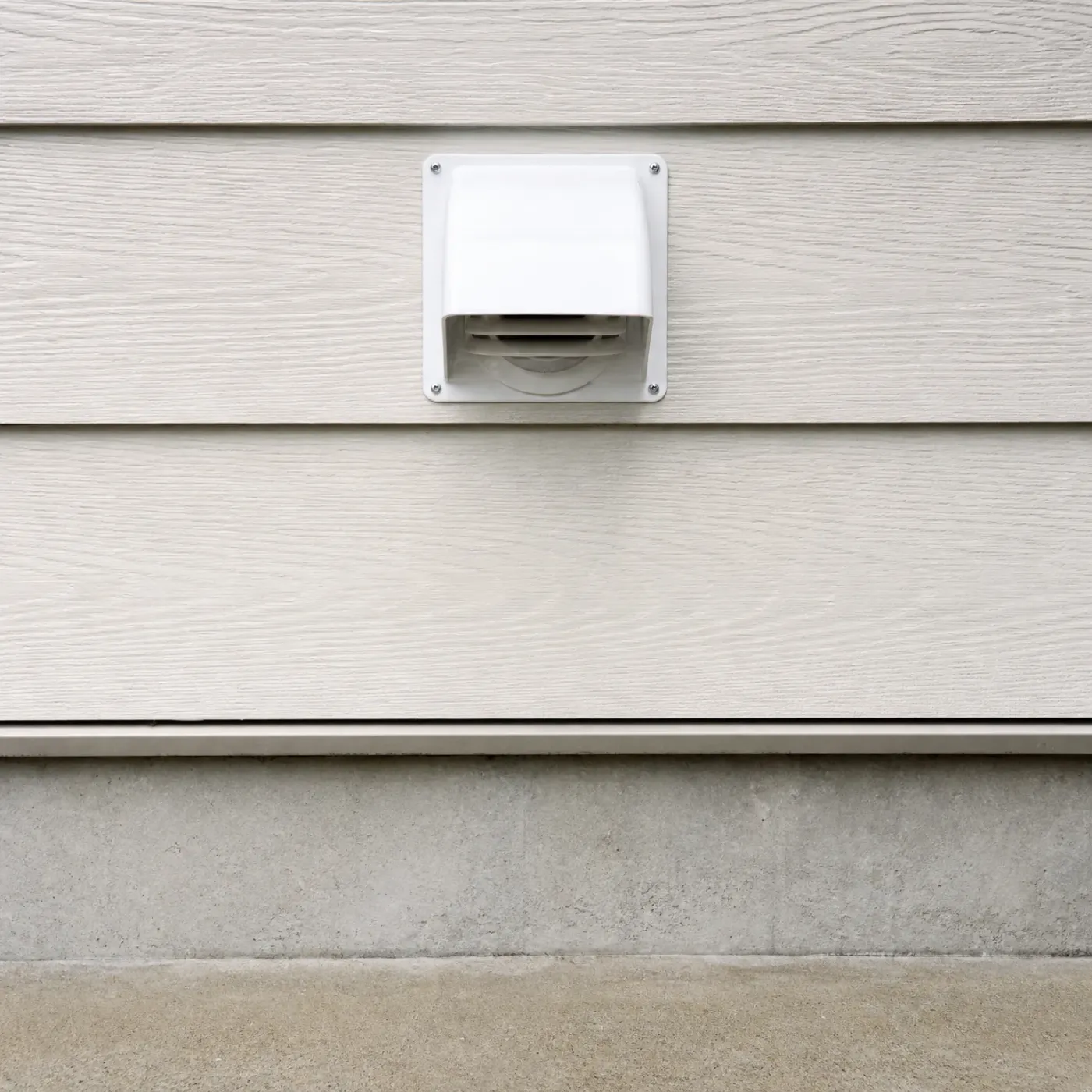
A white hooded dryer vent with a louvered flap mounted on beige horizontal lap siding above a concrete foundation wall.
After you get your dryer vent cleaning
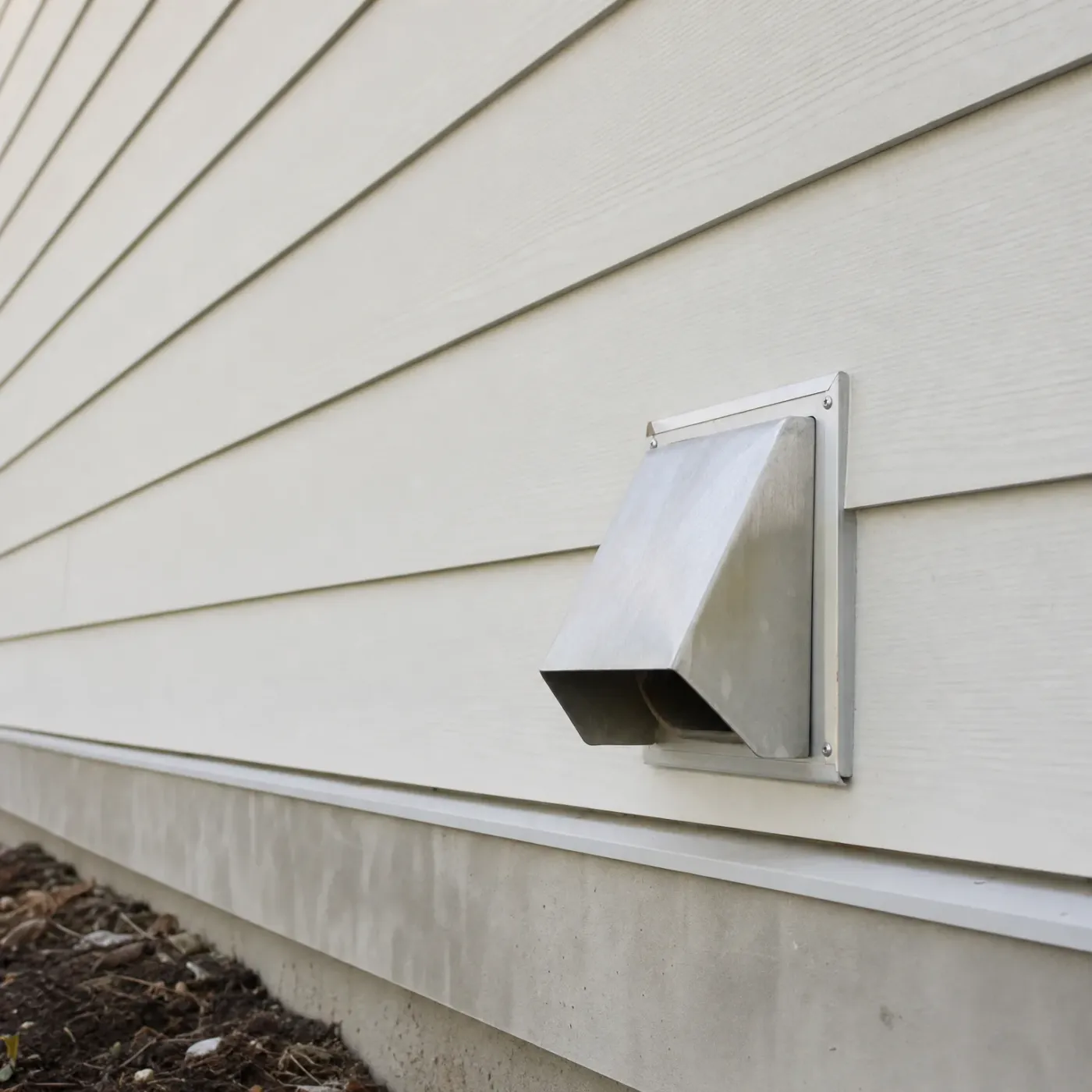
A metal hooded dryer vent mounted on cream-colored horizontal lap siding above a concrete foundation, with bare soil at the lower left.

Get matched with a dryer vent pro in Kent County

Skip searching for someone who cleans dryer vents in Kent County.

Get matched with a pro who works on dryer vents in Kent County.

Skip the calls

No charge to send it. You decide if you hire them.

Why is your dryer taking longer to dry a load lately?

You run the same load you always have, and now it takes two cycles instead of one. The top of the dryer feels hot to the touch. The laundry room picks up a warm, dusty smell partway through the cycle, and the clothes come out hotter than they should. Outside, the vent flap barely moves, or you notice lint collecting around it instead of blowing clear. Any of these means less air is getting out through that pipe, whatever's causing it. A dryer working against a blocked vent runs hotter and longer than it was built to, and that's how vent fires start.

A white hooded dryer vent with a square mounting plate fastened to beige horizontal lap siding above a concrete foundation wall.

The vent cap sitting clean

Air pushes the louvers open with every cycle and they fall shut between loads. No lint rings the opening, no dust collects on the siding around it. The cap stays like this when the pipe behind it still has room for air to move.

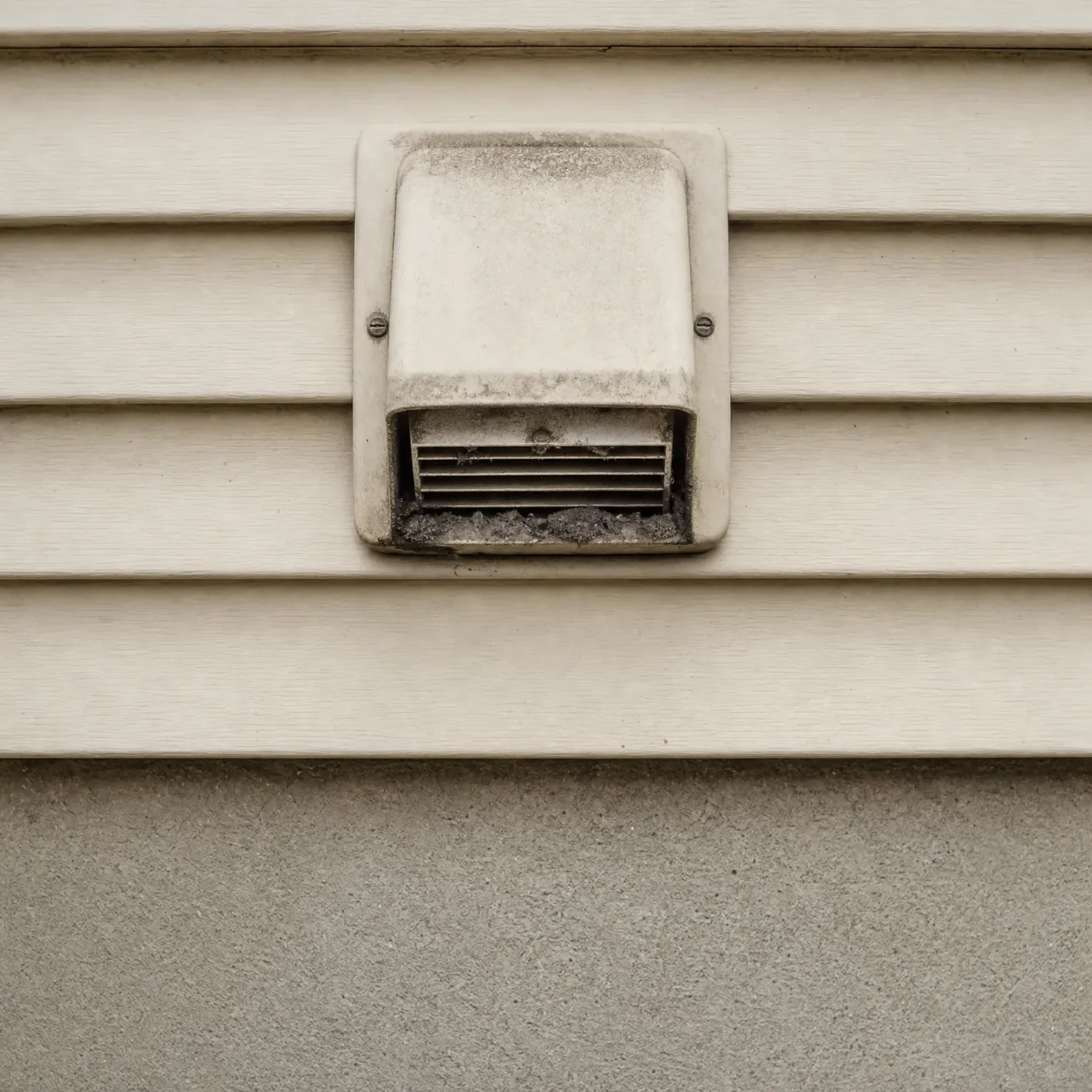
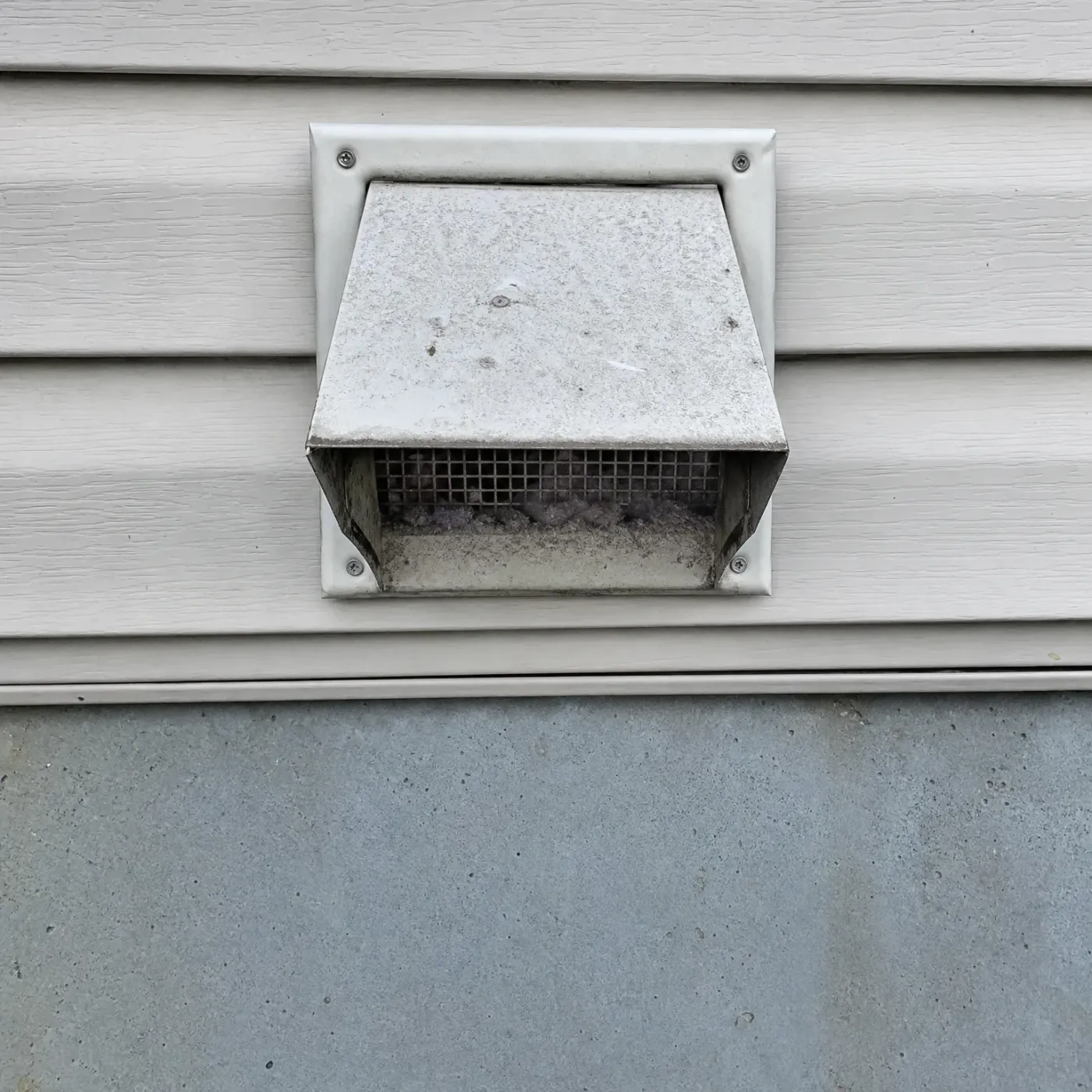
A dusty plastic louvered dryer vent hood screwed into beige horizontal vinyl siding above a gray stucco foundation wall, with lint buildup around the slats.

The vent cap choked with lint

Lint has packed in around the louvered opening until the cover can't sit flush anymore. That buildup on the outside usually means more of it is lining the pipe behind the wall, and the dryer is working against all of it to push air out.

2.54 people per household on average

At 2.54 people, most houses in Kent County are running a load of laundry close to every day. That's a dryer vent working all year without a break, which is exactly why a year is as long as you want to go between cleanings.

ACS 2020-2024

  1. Lint leaves the trap and rides into the vent pipe.

  2. It settles fastest at bends and against the inside walls.

  3. Layers build up and narrow the path air can take.

  4. The weakened airflow lets the exhaust flap sag open.

Why does my dryer vent cap flap stay open instead of closing?

You walk by the vent cap on the outside wall and notice the flap hanging open even though the dryer isn't running. It used to snap shut as soon as a load ended. Now it sits propped open all the time, and you're wondering if that's just how it settles with age or if it's telling you something about what's going on inside the pipe.

Lint buildup is holding the flap open

The flap is supposed to swing open while the dryer pushes air out and fall shut on its own once the cycle ends. If it stays open, lint has usually collected right at the opening or further back in the pipe, and it's propping the flap so it can't seat closed. A clean run gives the flap nothing to catch on. A narrowed one does. Once that happens, the vent isn't just failing to close right, it's also pushing out less air than it should, since airflow weak enough to leave the flap stuck is weak enough to be carrying less lint out with it too. A flap that won't close is also an opening pests can get through.

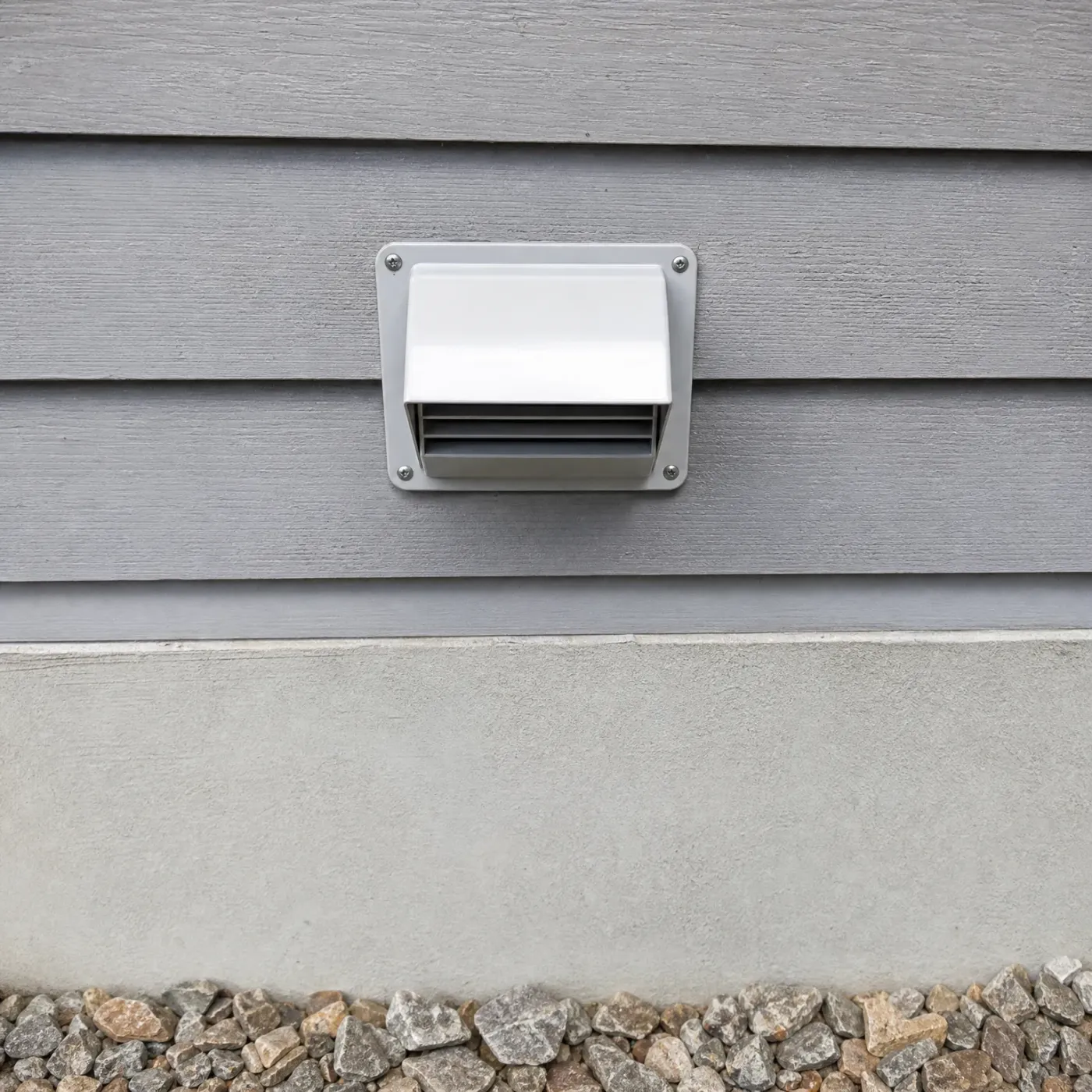
A white hooded louvered vent screwed to gray horizontal lap siding above a concrete foundation wall, with gravel along the ground.

Vent working clean

This is what a clear vent looks like from outside. The louvers sit flush against the siding and close all the way between loads. No lint around the edges, no buildup on the screen. Air is moving straight through and out.

A metal dryer vent hood with a screened opening clogged by gray lint, mounted on light gray horizontal vinyl siding above a concrete foundation wall.

Vent choked with lint

This cap is coated enough that the mesh is nearly solid. Lint has built up over time until it's blocking the opening instead of just lining the pipe. A vent this clogged is pushing a dryer to work far harder than it should.

A woman in a long cream cardigan and jeans stands at an open wooden front door of a gray shingled house with stone-based porch columns, with a second person visible inside, and potted flowers and shrubs beside the entry.

Once a year, and check it if your loads run long

A year is the number to work from. If your dryer runs most days, or the run from the dryer to the outside wall has a couple of bends in it, lean toward the early end of that year rather than the late end. That's the whole answer. The rest is just watching for the signs that your vent needs it sooner: a load that takes two cycles, a dryer that's hot on top, a vent cap flap that won't close.

You don't have to track down who does this work or explain your setup more than once. Answer a few questions about your house and your dryer, and a contractor who handles vent cleaning in Kent County gets in touch with you directly. No calling around, no repeating the same details to three different companies, no sorting through quotes on your own. You'll know where you stand on your vent, and you'll have someone to call when you're ready to do something about it.

A shallow dark wooden bowl and a stack of books rest on a wooden table in front of a beige sofa with linen and green cushions, with a tall ceramic vase of thin branches beside a window in the background.
A dark grey hooded vent cover with a round downward-facing opening mounted on a dark grey horizontal lap siding wall.

Find a dryer vent cleaning pro in Kent County

Skip searching for a dryer vent pro and answer a few questions instead.

Duct and vent cleaningKent County, MI
Step 1 of 3

What kind of equipment?