
Furnace Installation in Ann Arbor, MI
A new furnace here will run from October through May every year. Tell us about the house, and a licensed contractor who covers Washtenaw County will get in touch.
Tell us about the job
It takes about a minute.
Eight months of heat, and nights near 19°F
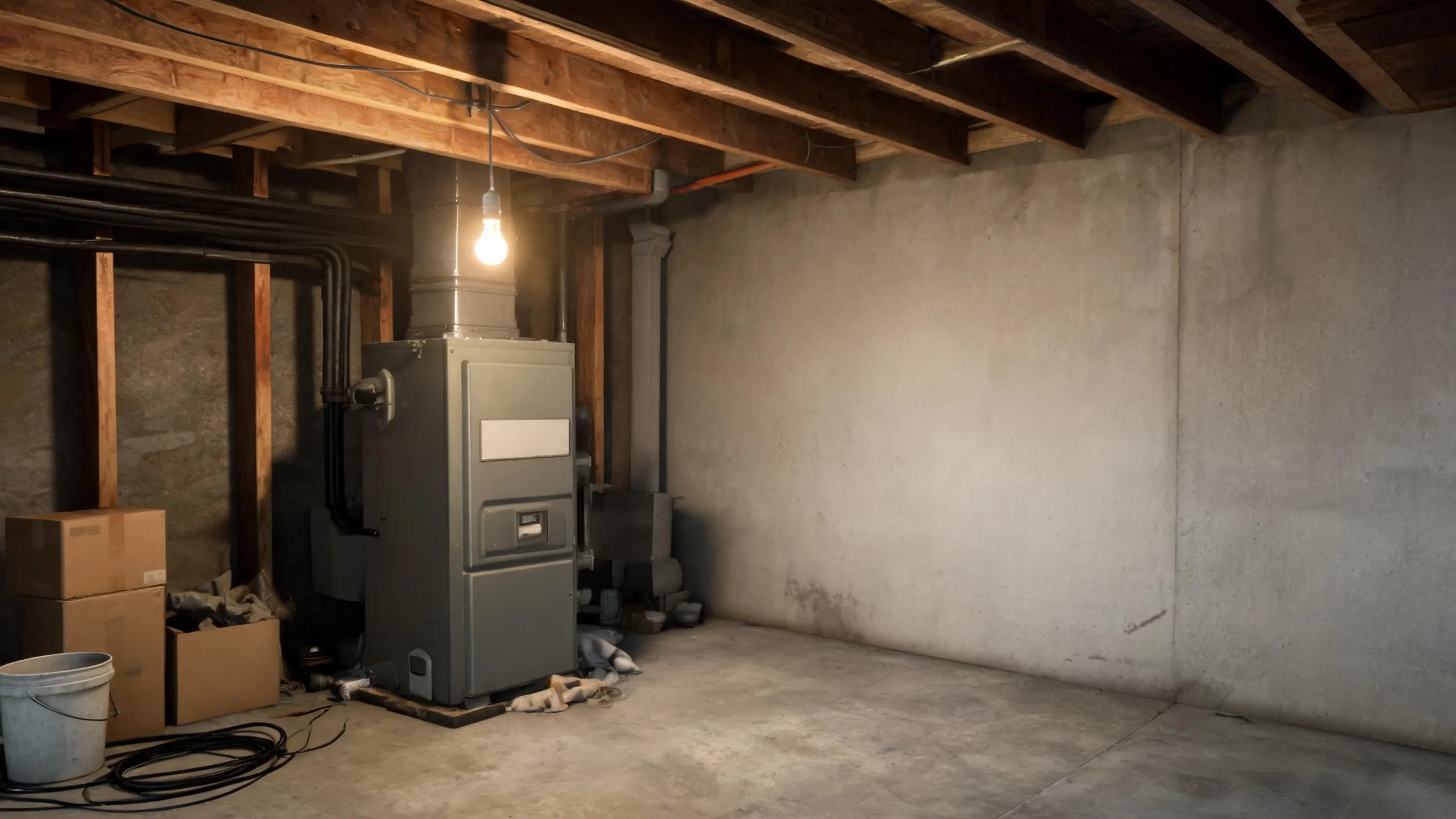
Your furnace has to cover October through May here, eight months of the year. Winter nights average 19°F, so it isn't running lightly. It's holding a real gap between outside and in, night after night, for most of the year.
Washtenaw County has seen 16 winter storms and 89 damaging wind events over the last ten years, the kind of weather that knocks out power along with the cold. If your new furnace uses a standing pilot, it will relight on its own once power comes back. If it uses an electronic igniter, it needs the power restored before it can start again. Either way, any furnace made after November 2015 has to reach at least 80 percent AFUE, so that much is set by law no matter who installs it.
- 8 months
- October through May, your furnace is on duty
- 19°F
- the average winter night it heats against
- 75%
- of homes here heat with gas, so most furnaces here burn gas
- 80% AFUE
- the federal minimum any new unit must meet
NOAA nClimDiv, 1991–2020 normals

A high-efficiency gas furnace would save about $120 a year to run in Washtenaw County compared with a gas furnace.
Estimates for a typical Washtenaw County home, from EIA household energy data, Michigan fuel prices and NOAA climate normals. Your home will differ.
Michigan requires HVAC contractors to hold a state license.
The license is issued to the contractor, not to this specific furnace installation. It means the state has tested the person or business taking on your job and keeps a record of who they are, so the license is tied to the company, not each project it does.
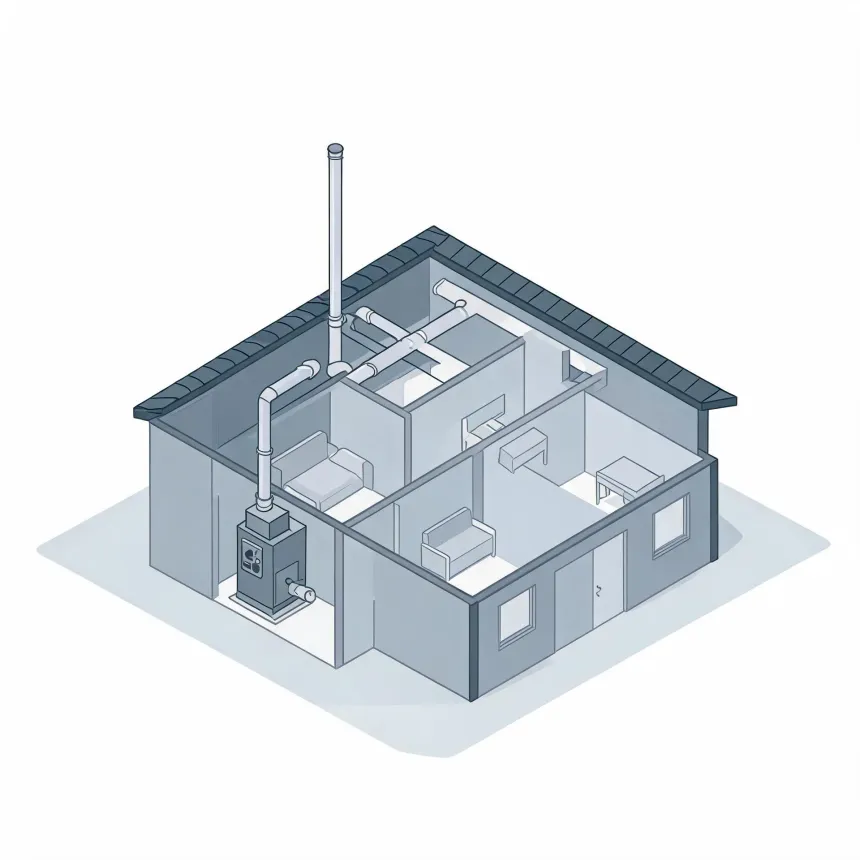
For a furnace install in Washtenaw County, that state license is what stands behind the work. On top of it, the local building office requires a permit for this kind of job, and an inspection once it's done, which checks that the gas connections and venting were done right. Most homes in the county heat with gas, so that inspection is checking the part of the job where a mistake actually matters.
Sources: Michigan Legislature · Michigan Department of Licensing and Regulatory Affairs
- What size furnace does my house need?
- It depends on your square footage, your ceiling height, how much insulation you have, and how many windows you have, so there is no single number that fits every house. A contractor sizes it with a room by room load calculation, not just a square footage chart. Going too big is as much a problem as going too small, since an oversized furnace short cycles and wears out faster. Have someone measure your house rather than matching whatever size is in there now, since the old one may have been wrong to begin with.
- How do I know it's time to replace my furnace?
- An older furnace working harder than it used to is the clearest sign, especially when repair parts start getting harder to find. Rising bills for no clear reason, rooms that will not warm up, and a furnace cycling on and off more than it used to all point to a blower or heat exchanger wearing out. If you are calling for repairs more than once a season, replacing it will likely cost less over time than keeping it going. Homes here need heat from October through May, eight months of the year, so a furnace on its way out gets tested hard and often.
- Is a high-efficiency furnace worth it?
- Any furnace sold new here now has to meet at least 80 percent AFUE, so the real question is whether to go beyond that minimum. With winter nights here averaging 19°F from December through February and heat needed eight months of the year, a furnace that turns more of its fuel into heat is working through a long season. A contractor can walk you through what a higher-efficiency model costs against a standard one for your specific house, since that gap is what decides whether it pays off for you.