
Furnace Installation in Adrian, MI
A new furnace here will run from October through May every year. Tell us about the house, and a licensed contractor who covers Lenawee County will get in touch.
Tell us about the job
It takes about a minute.
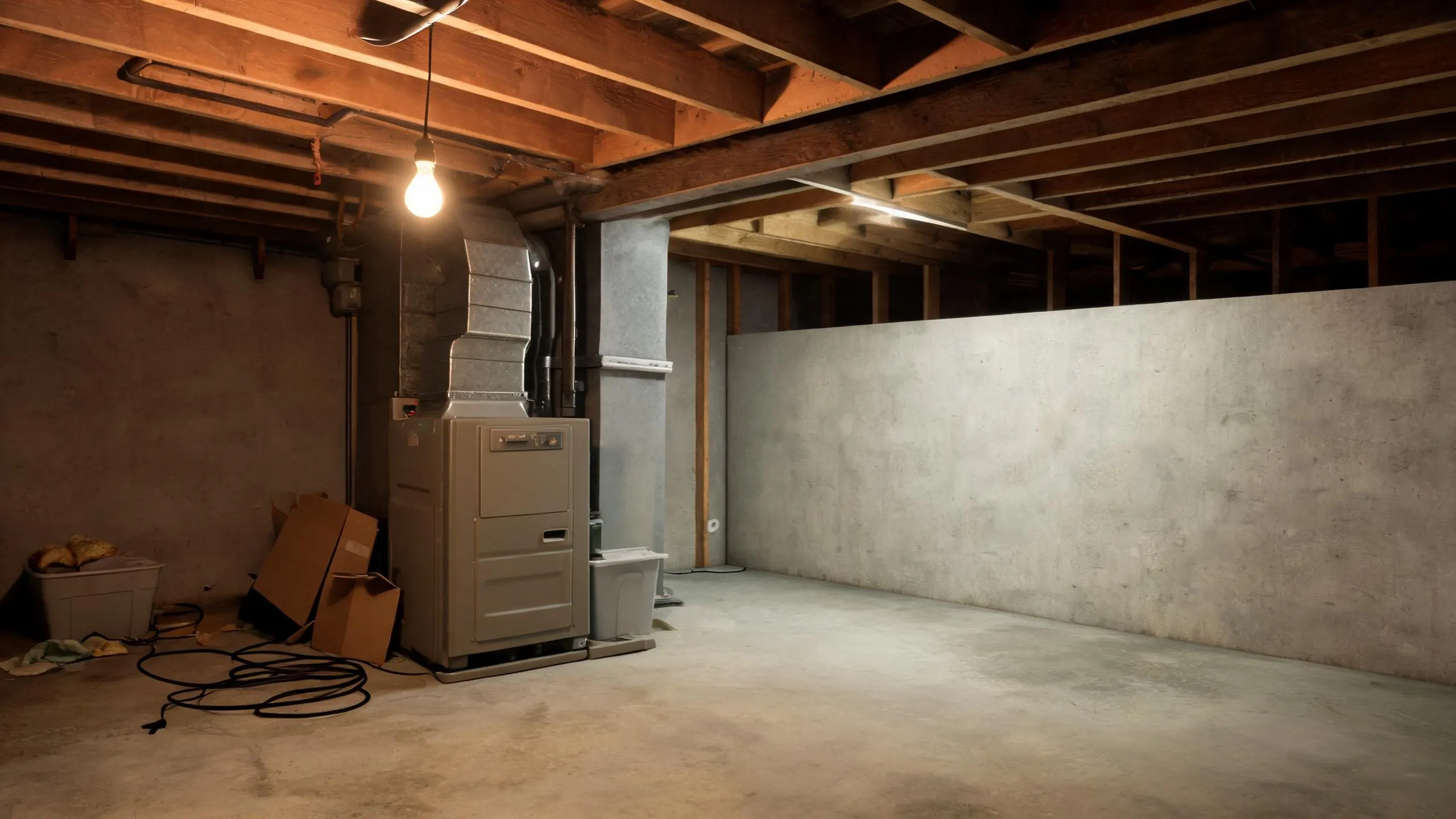
Adrian asks a lot of a furnace
Your furnace has to hold up for eight months here, October through May, on nights that average 20°F in the dead of winter. That is most of the year spent leaning on the same burner and blower.
Most homes around Adrian heat with gas, and any new non-weatherized gas furnace built since November 2015 has to hit at least 80 percent AFUE. Lenawee County has also logged 12 winter storms and 60 damaging wind events over the past ten years, and across Michigan a third of households lost power for at least a day in 2024. A new furnace here should be sized and installed with that in mind, not just the cold.
- 8 months
- October through May, your furnace is on duty
- 20°F
- the average winter night it heats against
- 75%
- of homes here heat with gas, so most furnaces here burn gas
- 80% AFUE
- the federal minimum any new unit must meet
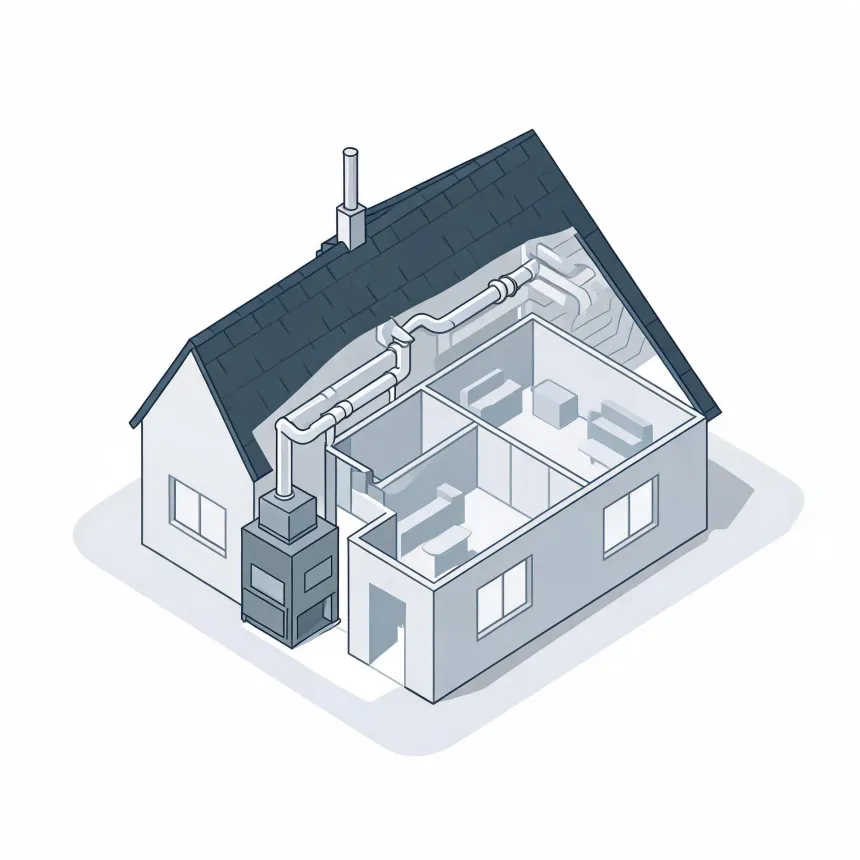
NOAA nClimDiv, 1991–2020 normals

A high-efficiency gas furnace would save about $120 a year to run in Lenawee County compared with a gas furnace.
Estimates for a typical Lenawee County home, from EIA household energy data, Michigan fuel prices and NOAA climate normals. Your home will differ.
Michigan requires HVAC contractors to hold a state license.
The license is issued to the contractor, not the job, so it covers the company doing the work rather than this one installation. It comes from the state's Board of Mechanical Rules.
That license is what stands behind the person doing this furnace install. Most cities and counties also require a permit from the local building office, with an inspection once the work is done, and that inspection is where a bad gas connection gets caught. In Lenawee County, 74.6% of homes heat with gas, so this is the kind of job that permit process exists for.
Sources: Michigan Legislature · Michigan Department of Licensing and Regulatory Affairs
- What size furnace does my house need?
- It depends on your square footage, your insulation, your windows, and your ceiling height, so there isn't one number that fits every house. A contractor works this out with a load calculation, not a chart based on square feet alone. Too big and the furnace short cycles, wearing out parts faster. Too small and it runs flat out on the coldest nights and still falls behind, and with winter nights here averaging 20°F, that gap shows up fast.
- How do I know it's time to replace my furnace?
- Watch for rising repair calls, uneven heat between rooms, and a furnace that runs longer to hit the same temperature it used to reach easily. Past a certain age, parts get harder to find and failures come more often. Since homes here need heat from October through May, eight months of the year, a furnace that's struggling has to work through most of the calendar, which speeds up the decline. If yours is old and needs a repair right now, it's worth asking whether that money is better put toward a new one.
- Is a high-efficiency furnace worth it?
- It depends on how long you plan to stay in the house and how your current furnace is running. Every non-weatherized gas furnace made since November 2015 has to hit at least 80 percent AFUE, so even a standard new furnace wastes less gas than an old one. High-efficiency models go further, pulling more heat out of the same fuel, and with heat needed here from October through May, that adds up over a season. A contractor can walk through the actual models and what each one gets you for your house.