
Furnace Installation in Monroe, MI
A new furnace here will run from October through May every year. Tell us about the house, and a licensed contractor who covers Monroe County will get in touch.
Tell us about the job
It takes about a minute.
Eight months of heat, and nights that drop to 21°F
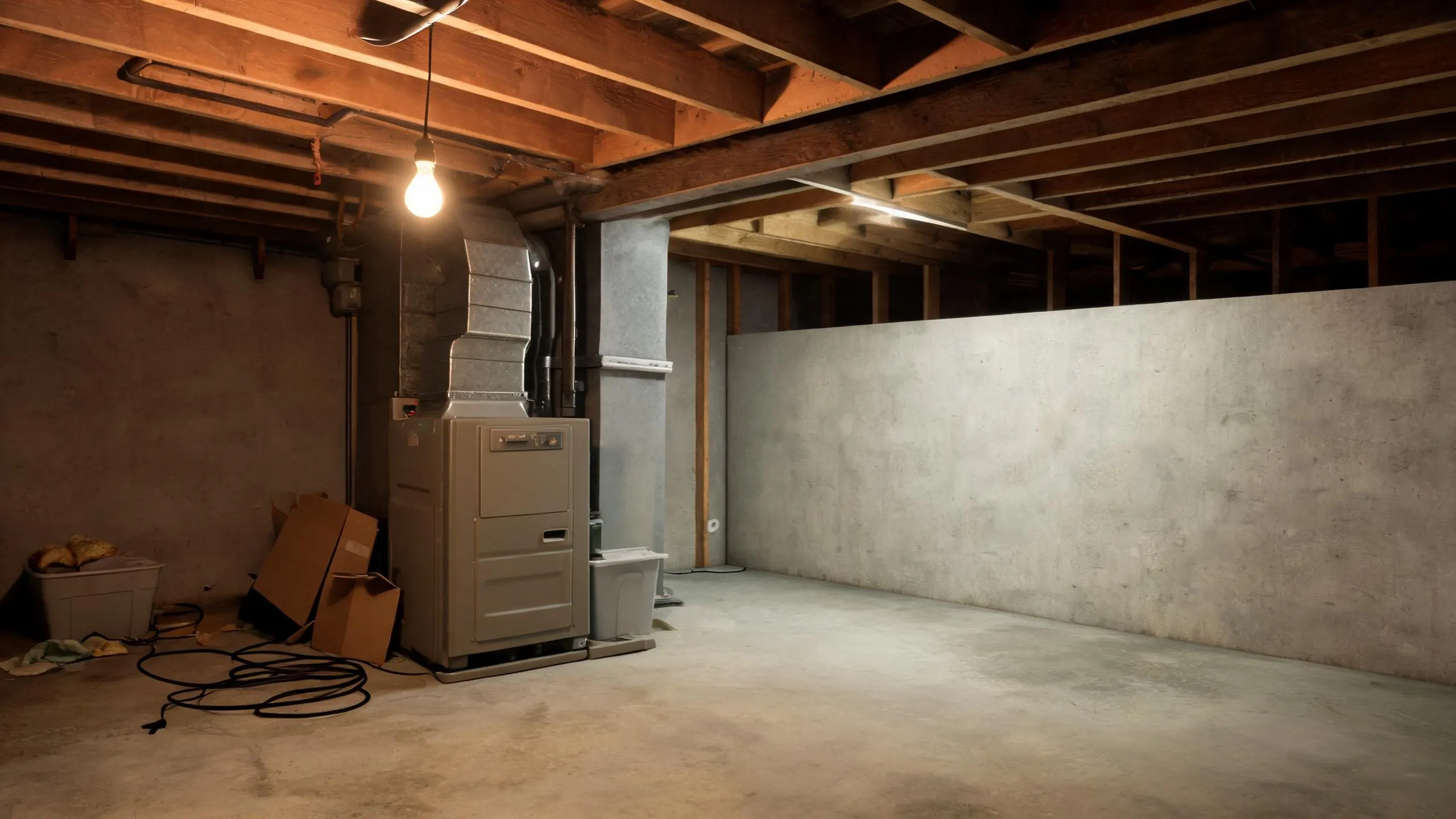
Monroe County homes need the furnace running from October through May. That is most of the year, and winter nights averaging 21°F mean it runs hard, not just on and off to take the chill out. A new furnace here has to be sized for real cold, not mild weather with a few bad nights.
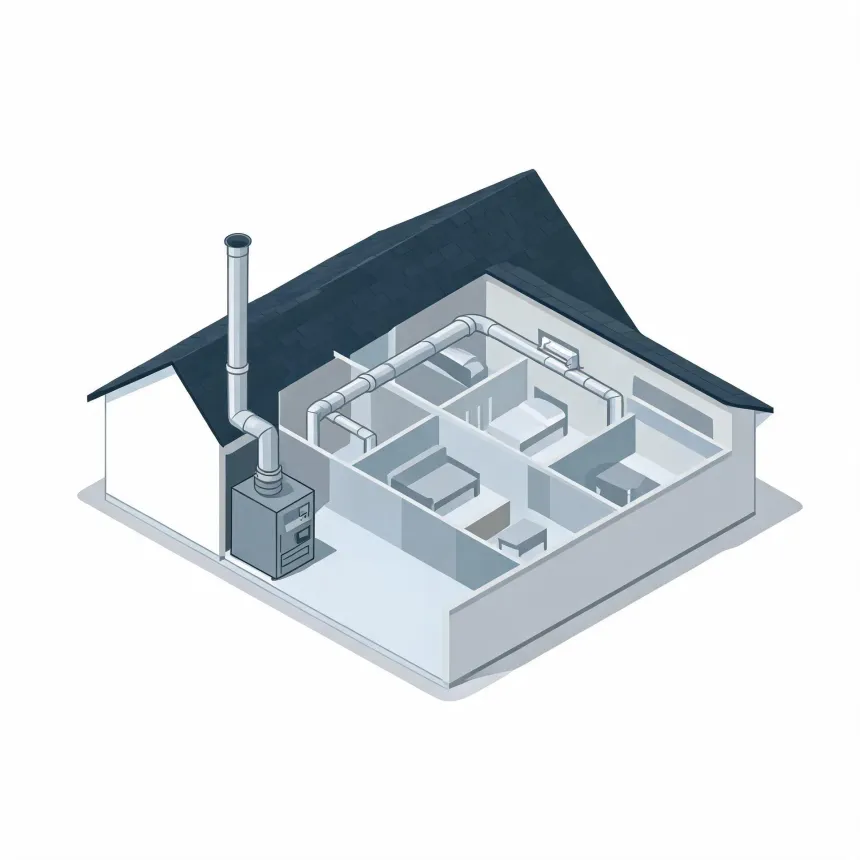
Most homes in the area heat with gas, and any non-weatherized gas furnace built after November 2015 has to hit at least 80 percent AFUE by federal rule. That is the floor, not a feature. The county has also seen its share of winter storms and damaging wind over the past ten years, and power loss with them. A furnace depends on electricity to run even when the fuel is gas, so what happens during an outage is worth asking about before one is installed.
- 8 months
- October through May, your furnace is on duty
- 21°F
- the average winter night it heats against
- 81%
- of homes here heat with gas, so most furnaces here burn gas
- 80% AFUE
- the federal minimum any new unit must meet
NOAA nClimDiv, 1991–2020 normals

A high-efficiency gas furnace would save about $120 a year to run in Monroe County compared with a gas furnace.
Estimates for a typical Monroe County home, from EIA household energy data, Michigan fuel prices and NOAA climate normals. Your home will differ.
Michigan requires HVAC contractors to hold a state license.
The license is issued to the contractor, not to each furnace they install. That means the state has tested and recorded the person or business doing this job, but the license itself does not put anyone on site to check the work once it's done.
That's where the local building office comes in. A furnace installation in Monroe County needs a permit, and the work gets inspected when it's finished. Gas is the part worth watching closely here, since most homes in Monroe County heat with gas, and a bad connection at the furnace is what that inspection is there to catch.
Sources: Michigan Legislature · Michigan Department of Licensing and Regulatory Affairs
- What size furnace does my house need?
- The right size comes from a load calculation, not a chart based on square footage alone. A contractor measures your walls, windows, ceiling height, and insulation, then factors in the 21°F winter lows here to figure out how much heat your house loses on a cold night. A furnace that's too big will short cycle and wear out faster. One that's too small will run constantly from October through May and still leave you cold. There's no safe way to guess this number from the outside.
- How do I know it's time to replace my furnace?
- Age is one sign, and so is how the furnace behaves. Once repairs start happening more often, or cost more each time, the furnace is telling you it's wearing out. Rising gas bills without a clear reason, a furnace that cycles on and off too often, or rooms that never quite get warm all point the same way. Heat is needed here eight months of the year, so a furnace that's struggling doesn't get much of a break, and a contractor can tell you whether what you're seeing is normal wear or the start of the end.
- Is a high-efficiency furnace worth it?
- It depends on how long you plan to stay in the house and how much the furnace runs, and here that's eight months a year, October through May. Furnaces built since November 2015 already have to reach 80 percent AFUE at minimum, so that's the baseline, not the high-efficiency end. A high-efficiency furnace burns less gas to produce the same heat than one at that baseline. With most homes here heating on gas, that difference shows up on the bill across all eight months of the season. A contractor can walk through specific models and what fits your house before you decide.