
Michigan HVAC Help

Birds nesting in a dryer vent in Michigan

Send the request and finding a pro stops being your problem.

Duct and vent cleaningMichigan
Step 1 of 3

What kind of equipment?

A bird in your dryer vent usually means a flap that won't shut tight. The outside hood has a damper that should close when the dryer isn't running. If it's stuck open, bent, or missing its spring, it leaves a gap just right for a bird looking for a place to nest, especially in spring when they're building. Once nesting material packs into the duct, your dryer has to push exhaust air through a space that's partly blocked. Clothes take longer to dry, and the dryer runs hotter than it should. That's a fire risk, since lint builds up against warm nesting material inside the duct. It's also a reason your gas dryer's exhaust isn't clearing the way it needs to. Clearing the vent means getting into the duct itself, not just the hood, and checking why the damper failed to keep the bird out in the first place.

A stainless steel hooded dryer vent with four corner screws mounted on white horizontal lap siding above a gray concrete foundation.

Vent working as it should

The hood sits flush against the siding and the flap hangs loose, swinging open only when the dryer runs. Air and lint blow out clean, then the flap falls shut again. Nothing nests here because there's nothing to hold onto and no gap to crawl into.


A white hooded dryer vent mounted on light-colored lap siding above a concrete foundation, with lint clogging its opening.

Vent with a problem

Lint has built up around the flap until it can't close anymore. That gap stays open day and night, rain or shine, and it's exactly what a bird looks for come spring. The longer it sits open, the more it traps, and the more it looks like a place to build.

A smiling man in a dark green sweater sits at a wooden table with a light gray mug in a kitchen with white tile backsplash, pendant lights, and an adjoining living room visible.
A smiling man in a dark gray sweater stands indoors looking to the side, with a kitchen counter holding a ceramic mug and open wooden shelves behind him and a living area in the background.
A smiling man in a dark blue button-up shirt stands at a white kitchen island, with open shelving, a gas range, a potted plant and a window in the background.
A smiling man with dark wavy hair and a beard, wearing a dark green knit sweater, sits in an open-plan living room and kitchen with a brown sofa, large windows, and a counter holding a mug and a wooden bowl.

One clogged vent can cut airflow by 90 percent

A nest packs the duct tight. Lint has nowhere to go, the dryer runs hotter and longer, and the motor works harder every load.

Find a licensed pro

Birds return to the same spot

Once a nest is cleared, the hood still needs a flap that closes all the way, or the next bird finds the same opening open again.

Find a licensed pro

How do birds even get into a dryer vent in the first place?

How do birds even get into a dryer vent in the first place?

Through the hood on the outside wall, when the flap doesn't close

Every dryer vent ends at a hood on the outside of the house, usually low on a wall or up near the roofline. That hood has a flap, sometimes called a damper, that's supposed to swing open when the dryer is running and fall shut when it's not. A bird looking for a nesting spot checks that opening the way it checks a gutter or a gap under siding. If the flap hangs open even a little, from a weak spring or a hinge that's rusted or bent, the bird gets in, and a few trips later there's a nest built against the duct wall a few inches inside the hood.

A white hooded exterior vent cover with a mesh screen mounted on gray lap siding above a concrete foundation.
The flap swings open when the dryer kicks on and falls shut again once the air stops, leaving no gap for a bird to get through.
A white plastic hooded dryer vent mounted on beige lap siding, with gray lint clogging its louvered opening and hanging below it.
Lint has built up around the flap and hangs loose from the hood, holding the damper open and giving a bird something to grab onto.
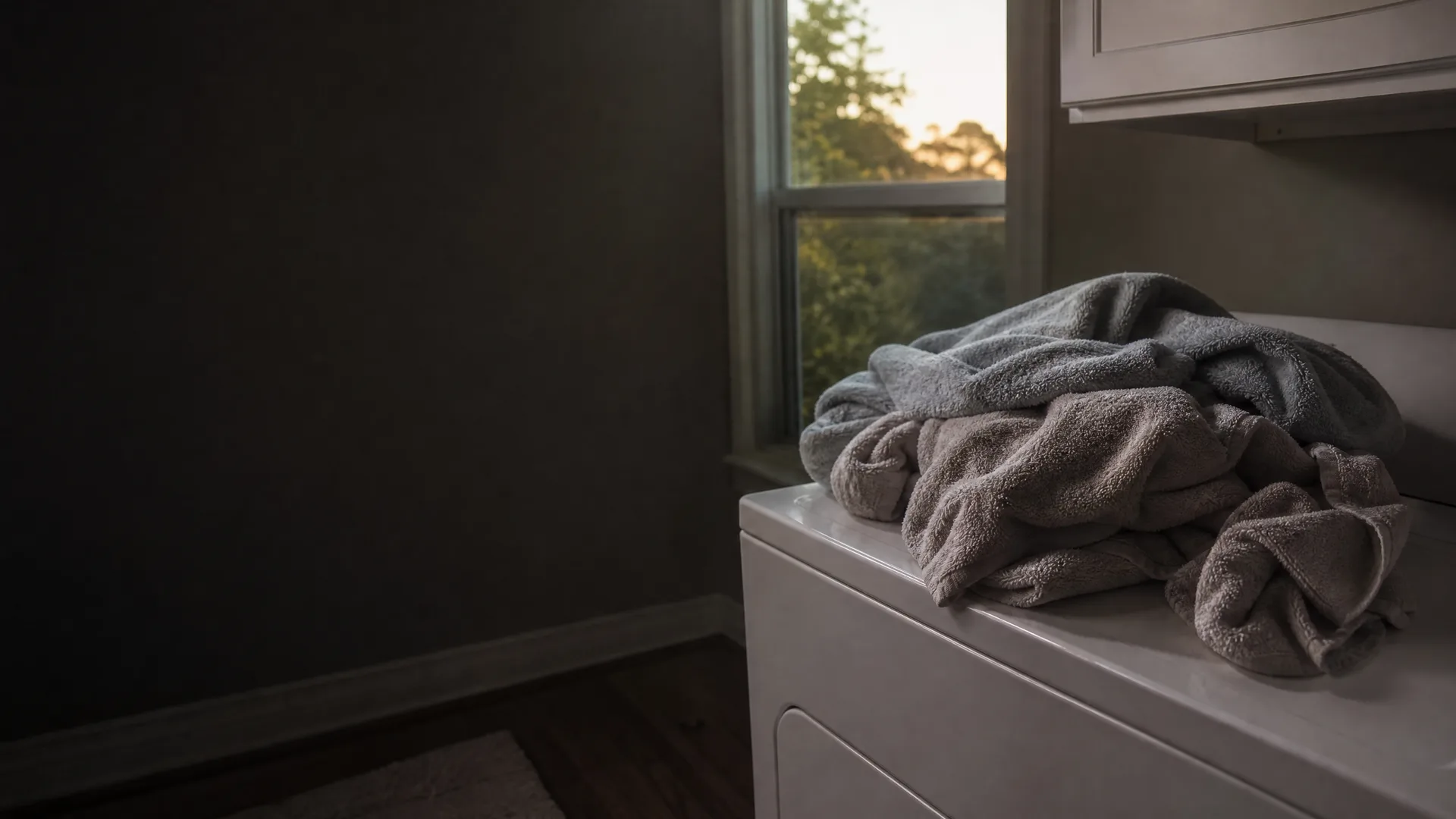
A pile of gray and taupe towels sits on top of a white laundry appliance in a dim room beside a window with trees and sunlight outside.

It's after dinner, still light out, and you're swapping the towels into the dryer before you sit down. Forty minutes later you go back for them and they're damp, not even warm. You check the lint trap, clean, so you open the hood outside to see what's blocking the duct. Something's built a nest in there, twigs poking past the flap. You call around and one guy picks up, says he's out near you most weeks this time of year clearing the same thing out of hoods like yours. You leave the damp towels on top of the dryer and head back inside.

Let someone else find the pro

Your request goes to one pro, not a list of companies.

No fee to send it, and nothing to sign.

Clearing it yourself

You can pull the nest out with a gloved hand or a wire hanger if it's within reach of the hood. That gets the blockage out, but it doesn't tell you how much lint packed in behind it, or whether the flap itself still closes once the nest is gone. Without a brush run through the full length of the duct, lint further back stays put. If your vent run is long or has more than a bend or two, reaching past the hood gets hard fast, and a shop vac at the hood end only pulls out what's loose near the opening.

Having it cleaned

Someone who works on vents all season carries a brush and rod sized to run the whole duct, not just the first few feet past the hood. That clears lint you can't reach from outside and checks the flap while they're there, so the fix actually holds. A local contractor sees this same problem every spring in Michigan as birds look for a place to nest, and knows where the lint tends to pack in on a typical run. One visit covers the nest, the duct, and the damper, instead of guessing at what's still stuck inside.

Power costs 20.03 cents per kilowatt-hour statewide

A clogged vent makes your dryer run longer to get clothes dry, and at 20.03 cents per kilowatt-hour, that extra time shows up on your bill. Clearing the nest and fixing the flap brings drying time back down and stops the motor from working harder than it should.

EIA-861 2025 statewide residential average

A smiling bearded man in a green t-shirt sits on a gray sofa, looking down toward a device at the bottom of the frame, with a bookshelf and a green plant blurred behind him.
A bearded man in a plaid flannel shirt stands indoors beside a wood-framed, frost-covered window, looking outside, with a steaming brown mug on the sill and a wooden cabinet behind him.

What Fixes It for Good

  • A bird in the vent almost always traces back to a damper that won't close, not a one-time fluke.
  • Clearing the nest fixes the airflow but leaves the real cause, a stuck or missing flap, untouched.
  • A vent cleared and checked together means no return trip for the same nest next spring.
  • A local contractor who handles dryer vents all season knows which hoods in Michigan tend to stick or lose their spring.
  • Sending one request means one contractor calling, not a string of companies competing for the job.
  • Once the flap seats right and the duct runs clear, drying times go back to normal and the motor stops working overtime.

The nest is the part you can see. The damper is the part that let it happen. Pull the lint and old nesting material out of the duct and the dryer breathes again, but if the flap still hangs open or won't spring back, the hood is still an invitation. Next spring, another bird finds it the same way this one did.

A contractor who works on dryer vents all season in Michigan has seen which hoods give out first, whether it's the spring going weak, the flap bending, or lint buildup holding it open a crack. That's not a guess, it's what shows up on the job over and over. Fixing the vent means both things get checked: the duct run clear, and the damper swinging shut on its own once the dryer stops.

When you send a request through this page, it goes to one contractor, not a handful. You're not fielding calls from three or four companies trying to underbid each other on a job you already understand. You get someone local who knows this equipment, who can look at the hood and tell you in a few minutes whether it's a nest problem, a flap problem, or both.

Once that's sorted, the dryer goes back to drying in one cycle instead of two. The motor stops working overtime. And the hood outside your house stops looking like a good place to build a home.

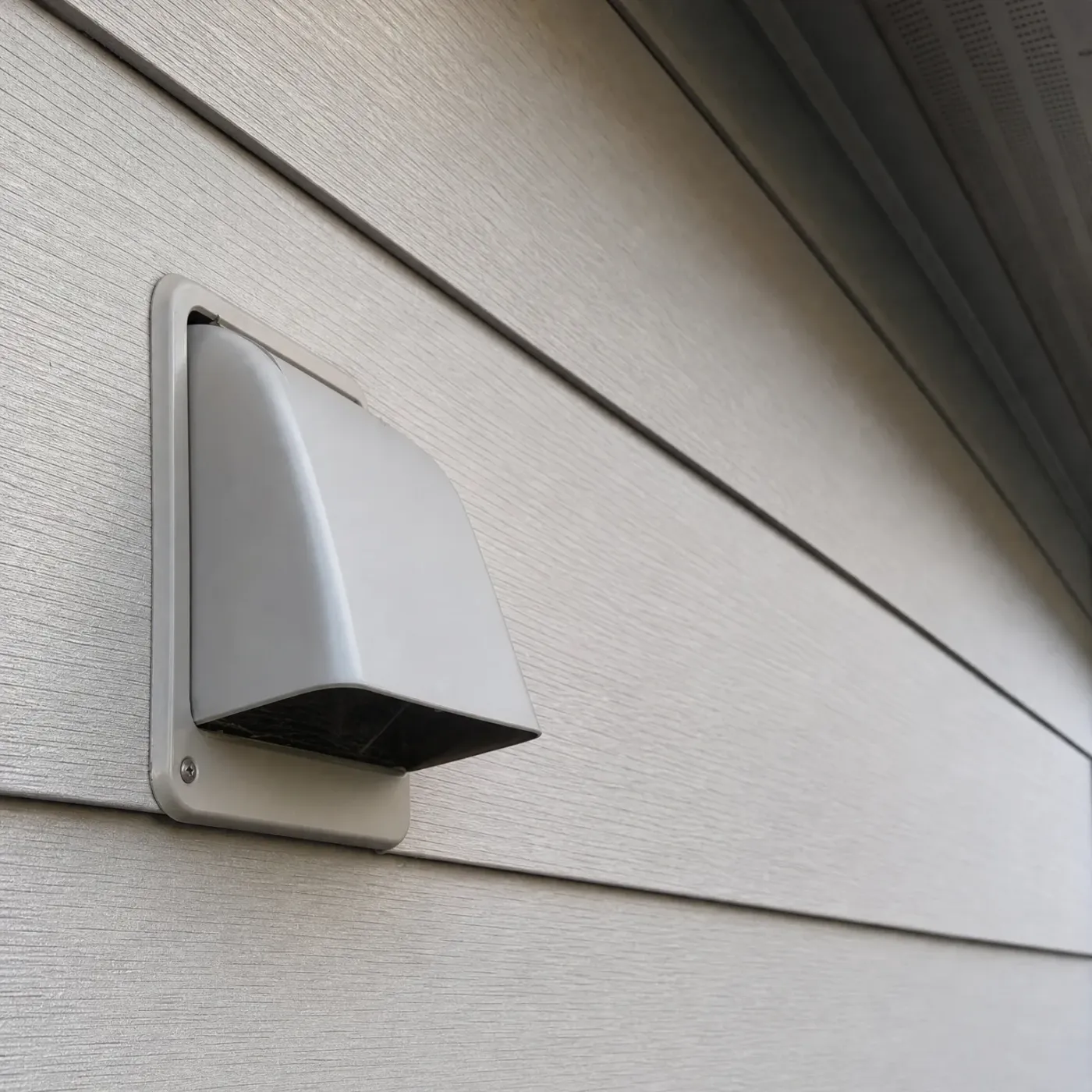
A gray hooded dryer vent cover mounted on light gray horizontal lap siding, viewed at a steep angle.

One request and it's handed off

Get a licensed local pro

The pro who reaches out is licensed in Michigan.

Sending the form costs nothing.