Side profile of a bearded man wearing a faded dark blue baseball cap and a matching dark T-shirt against a plain light gray background.

Birds nesting in a dryer vent in Detroit, MI

Duct and vent cleaningWayne County, MI
Step 1 of 3

What kind of equipment?

Why do birds keep nesting in my dryer vent?

You've pulled lint out of the vent hood, maybe even seen a bird fly out when you opened the dryer vent cover, and it keeps happening. You want to know why your vent in particular seems to attract them, and whether there's something wrong with your setup or if this is just what happens with dryer vents in Wayne County.

The flap on the vent hood isn't closing all the way

A dryer vent hood has a flap that's supposed to swing shut when the dryer isn't running. Lint buildup, a bent flap or a weak spring can keep it propped open even a little, and that's enough room for a bird to get in. Starlings and sparrows look for small, sheltered openings to build in, and a vent that's warm from recent loads and blocked with lint makes an easy choice. Once a nest is in there, the flap can't close at all, which props the door open for the next bird looking for a spot. It also means your dryer is venting into a space that's partly blocked instead of outside.

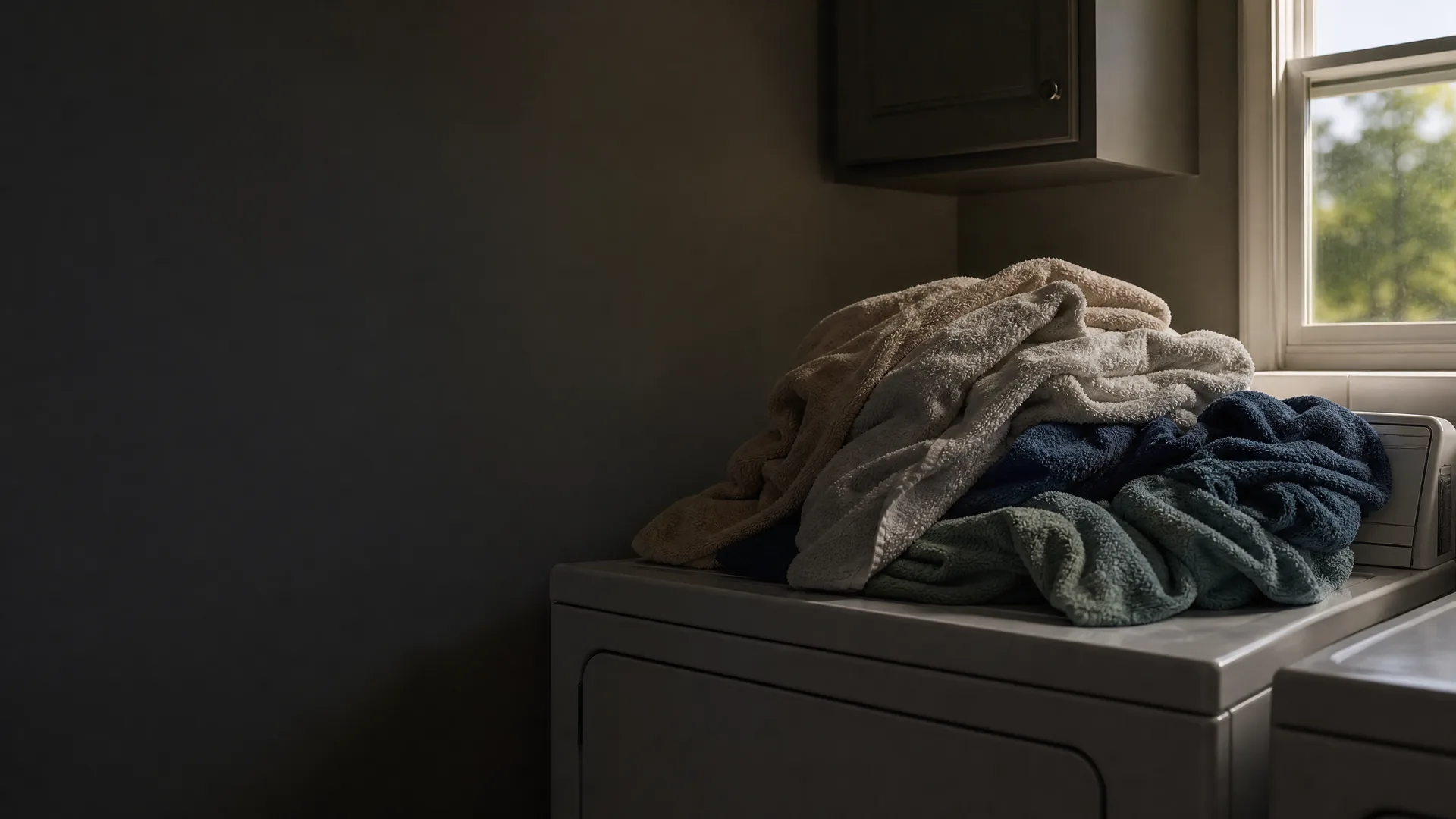
A pile of beige, navy, and teal towels sits on top of a washer or dryer in a dim laundry room with a window and an upper cabinet.

It's after seven and you're running a second load because the first one never dried. The towels are still damp, piled on top of the dryer, and the whole room smells faintly scorched instead of clean. You crack open the vent hood outside and hear it before you see it, a dry rustling, then a flutter of wings past your hand. There's a nest wedged in the duct, grass and lint packed tight around the flapper. You pull out what you can reach. The dryer runs another cycle and the towels come out just as damp as before, because the air has nowhere to go.

Why does your house keep drawing birds back to that vent?

  • 2.5 people per household on average

    The average household here runs 2.5 people, which means that dryer is likely working through laundry most days of the week, giving a bird less time to settle in before the next cycle clears it out.

  • Half the homes here were built by 1956

    Half the homes in Wayne County went up in 1956 or earlier, per the Census Bureau, and an older vent run is more likely to have a loose or missing hood that gives birds an opening.

  • Power here costs 20.20 cents per kilowatt-hour

    Electricity here runs 20.20 cents per kilowatt-hour, so a vent packed with a nest forces the dryer to run longer per load, and that shows up on the bill.

ACS 2020-2024 · EIA-861 2025

A dryer vent looks like a hollow pipe to a bird, and in spring it looks like a finished nest box. The vent hood on the outside wall has a flap, sometimes louvered, sometimes a single hinged door, and that flap is supposed to swing open only when the dryer is running and pushing air out. If the flap is bent, missing a spring, or propped open by a clump of lint caught in the hinge, it stays cracked open even with the dryer off. A bird works through that gap over a few days, carrying in twigs and dryer lint itself, since lint makes soft, warm nesting material. Once eggs are in there, the nest blocks the duct enough that heat and moisture from the dryer have nowhere to go, which is why the air coming out feels weaker and the lint smell backs up into the laundry room. The flap itself is the part worth checking first, before anything else.

2.5 people per household on average

With 2.5 people in the average Wayne County household, most homes run a load every day or two. That keeps the flap moving and the vent clear enough to discourage a bird from staying. If your house runs lighter on laundry some weeks, the gaps give a nest more time to take hold.

ACS 2020-2024

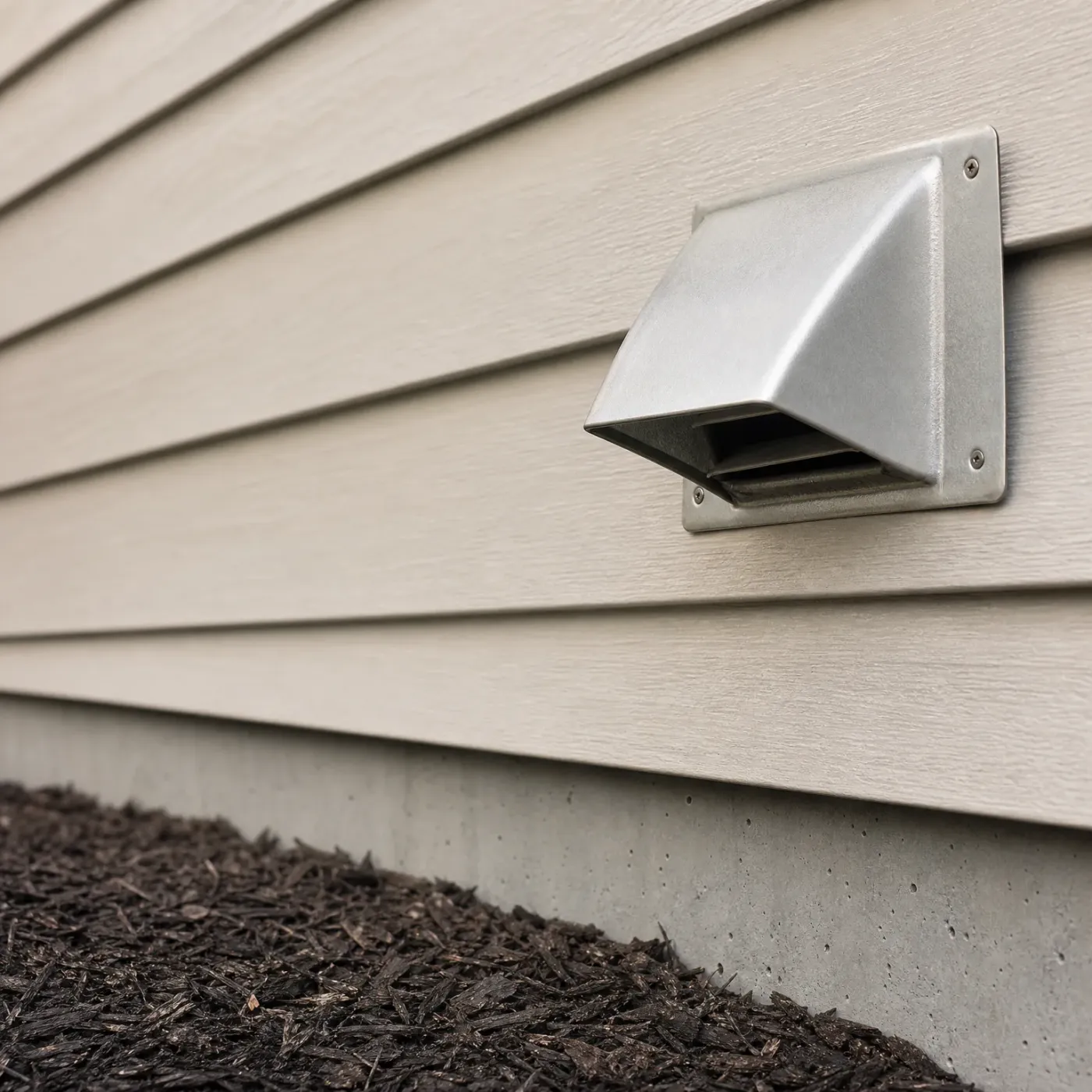
A metal hooded dryer vent with a louvered opening mounted on beige horizontal lap siding above a concrete foundation wall.

The flap closes behind every load

That cap on the wall sits flush, flap shut, screws tight against the siding. Warm air pushes out when the dryer runs, then the flap drops closed again. Nothing can wedge it open, so there is no gap for a bird to carry twigs into.

A white hooded dryer vent mounted on horizontal lap siding, with a thick mass of gray lint clogging the opening beneath the hood.

The flap can't close anymore

Lint has built up thick enough to prop the flap open, and the vent cover can no longer sit flush against the wall. That gap stays open around the clock now, not just when the dryer runs, which is exactly what a bird is looking for in spring.

A smiling woman with long brown hair in a cream sweater sits at a stone counter with a glass of red wine, with a dimly lit living room, beamed ceiling and glass doors behind her.
A woman with shoulder-length dark wavy hair in a beige sweater laughs while looking off to the side, seated at a white marble counter with a glass of red wine, in a dimly lit home interior with a kitchen and sofa in the background.
A smiling woman with long dark hair in a black sweater sits at a white marble counter with a glass of red wine, in a dimly lit kitchen and living area with pendant lights, a potted plant, and flowers.
A smiling woman with long brown hair in a light knit sweater sits at a stone-topped counter with a glass of white wine, with a dimly lit living room, sofa, fireplace and round mirror behind her.
A metal hooded exterior dryer vent with louvered opening mounted on beige lap siding above a concrete foundation bordered by dark mulch.

Get your dryer vent to the right pro

Skip searching for someone who cleans dryer vents in Wayne County.

Get matched with a Wayne County pro who cleans dryer vents.

Find a dryer vent pro

Sending the form costs nothing.

A white louvered dryer vent hood mounted with four screws on beige horizontal lap siding above a gray stucco foundation and concrete walkway.
Air pushes the louvers open while the dryer runs, then they fall shut and stay flush against the siding.
A white plastic dryer vent hood mounted on beige horizontal vinyl siding, with lint clogging its lower opening and a concrete foundation below.
Lint has caked over the opening until the louvers can't close, leaving a gap a bird can work with.

Once grass and twigs pack in past the flap, the dryer is pushing hot, wet air into a pipe that has nowhere to send it. That air has to go somewhere, so it backs up into the duct and into the room. The same nest is sitting on top of months of trapped lint, and lint catches fast. That combination, dry nesting material and lint, is behind most dryer vent fires. Meanwhile the dryer keeps running past the point it should have finished, trying to push a load dry through a vent that's half shut, and that extra runtime shows up on a power bill that's already not cheap in Wayne County. Even after the birds move on, the material they packed around the damper hinge often stays wedged there, so the flap won't sit flush anymore. Through a Michigan winter, moisture sitting in that blocked duct can freeze the flap shut outright. A screen over the vent opening keeps a bird from getting in at all, without stopping the flap from swinging open the way it's supposed to when the dryer runs.

What a nest does inside the vent

  • A nest built past the flap blocks the dryer's exhaust path, so hot moist air backs up into the duct instead of venting outside.
  • Lint trapped behind a nest is the fuel source in most dryer vent fires, and birds build with grass and twigs that catch just as fast.
  • A blocked vent forces the dryer to run longer to dry the same load, which on expensive Wayne County power adds up fast.
  • Nesting material packed against the damper hinge is what usually keeps the flap from sitting flush even after the birds are gone.
  • A vent that stays blocked through a cold Michigan winter can trap moisture in the duct, and that moisture can freeze the flap shut.
  • Screens installed over the vent opening stop a bird from entering while still letting the flap swing open freely when the dryer runs.
A wall-mounted plastic dryer vent hood on light-colored horizontal vinyl siding, clogged with lint and debris hanging from its opening, above a gray painted foundation.
Before you get your dryer vent cleaning
A white hooded dryer vent with a louvered grille screwed to beige horizontal lap siding above a lighter foundation wall.
After you get your dryer vent cleaning

Clearing the nest yourself

You can pull the cover off and see a nest right there. It's tempting to grab what you can reach and call it done. The trouble is most of the duct runs further than your arm, often ten feet or more before it ties into the wall, and a nest packed in past that point stays put. Grass and twigs loosen into smaller pieces when you disturb them, and those pieces scatter deeper into the duct instead of coming out. You also can't see whether lint has built up behind the nest, which is the part that matters most once the dryer runs again and pushes hot air against whatever is still blocking it.

Having the vent cleaned

A contractor runs a brush or rod the full length of the duct, not just the few inches past the hood, and pulls out what's built up along the way, nest and lint both. That clears the path so the flap can close again and the dryer can push air all the way outside instead of backing up. It also means someone is looking at the duct itself, checking that the run still connects the way it should and that the flap moves freely when it's done. Instead of calling around Wayne County to find someone who does this work and explaining the problem over and over, you answer a few questions once and get matched with a contractor who follows up with you directly.

A smiling bearded man in a dark green sweater sits at a dinner table with a glass of red wine, a bowl of salad and a lit candle in the foreground, in a dimly lit room with a framed picture, lamp and potted plants behind him.
A woman in a cream knit sweater reclines on a sofa with her eyes closed and a slight smile, a closed dark book resting on a blanket in the foreground and a lit lamp and small potted plant behind her.
A man with a duffel bag walks up a concrete path toward a white board-and-batten house where a woman stands in the open wooden front door, flanked by potted plants and black lanterns.

A vent that stays clear won't draw another nest

Birds build where a vent gives them room and time. Once the flap closes flush and the duct runs clear from the wall hood back to the dryer, there's nothing left for a bird to work with, no gap to wedge open, no lint pile to build on. That's the whole answer: clear the duct, confirm the flap seats right, and the problem stops coming back.

Checking all that yourself means borrowing a camera scope, or climbing up to the hood and hoping the run is shorter than it looks. A contractor matched to your house can look at your actual vent, the length of your run, the hood you've got on the wall, and tell you what's really going on back there. No more guessing from what you can see through the cover, no more calling a handful of companies to find one who'll climb up and check.

Interior corner of a living room with a beige upholstered armchair holding a textured pillow and throw, a eucalyptus arrangement in a ceramic vase on a wooden table in the foreground, a blurred glass-front cabinet behind, and a potted plant on a sunlit window sill.
Aerial view over the shingled roof and stone chimney of a house with a dormer window, overlooking dense green trees, farm fields, and a river under a partly cloudy sky.

Find a dryer vent cleaning pro in Wayne County

Get a local pro

You're not committing to anything by asking.

A nest cleared out now means one less thing checked before next load of laundry, instead of pulling the cover off yourself, calling around Wayne County for someone who'll look at a vent, and explaining the same bird story twice while your dryer sits unusable.