
The flap moves freely
A clear vent lets the flap swing open when the dryer runs and fall shut when it stops. No twigs catch in the hinge, no feathers show at the edge. Air and lint pass straight through to the outside.
Skip searching for someone who cleans dryer vents in Macomb County.
Describe it onceYou noticed chirping near the vent, or twigs and debris caught in the hood flap, or the dryer taking longer to dry than it used to. Your first thought is probably mice, but birds, especially starlings and sparrows, are common culprits around Warren. They look for a small dark opening sheltered from wind and rain, and a dryer vent flap that doesn't seal tight gives them exactly that.
A dryer vent hood sits a few feet off the ground, out of the wind, and the flap that's supposed to keep it closed often hangs loose or rusts open a crack. To a bird looking for a nesting spot in spring, that gap looks like a ready-made cavity. Once nesting material packs into the vent, lint has nowhere to escape and builds up fast behind it. That blockage is more than a nuisance. A dryer that can't vent properly takes longer to dry clothes, runs hotter than it should, and with lint trapped against a heat source, raises the risk of a dryer fire. Macomb County winters mean the dryer runs hard for months, so a nest that goes unnoticed in April can turn into a real hazard by the time cold weather sets in.
A bird finds the vent hood flap propped open by old lint.
It pulls in twigs and grass to build a nest inside the duct.
The nest blocks the duct so wet air can't escape outside.
Your dryer starts taking longer to dry each load.
2.43 people per household on average
Macomb County households average 2.43 people, which means more loads through that vent most weeks and more chances for a blocked duct to slow down your laundry.
Half the homes here were built by 1975
Half the homes in Macomb County were built in 1975 or earlier, so if yours is one of them, check how old the vent ductwork is and whether it has ever been cleaned out.
Power here costs 20.25 cents per kilowatt-hour
Electricity here runs 20.25 cents per kilowatt-hour, so a dryer working harder to push air past a bird's nest is pulling more power every time it runs.
ACS 2020-2024 · EIA-861 2025

A clear vent lets the flap swing open when the dryer runs and fall shut when it stops. No twigs catch in the hinge, no feathers show at the edge. Air and lint pass straight through to the outside.

Lint has built up along the hood and the flap no longer closes all the way, leaving a gap a bird can use. Once that happens, the opening invites a nest instead of keeping one out.
Walk out and look at the hood on the outside wall. If you see grass or twigs poking through the flap, or the flap won't sit flush anymore, a bird has already been in there. Inside the house, a load that used to take forty minutes now takes over an hour, maybe two. You might catch a burnt smell partway through the cycle, or notice the top of the dryer feels hotter than usual. The lint trap still looks clean, which is what throws people off. With the duct blocked, heat and moisture have nowhere to go, and that strain on the dryer is also a fire risk sitting behind your wall.
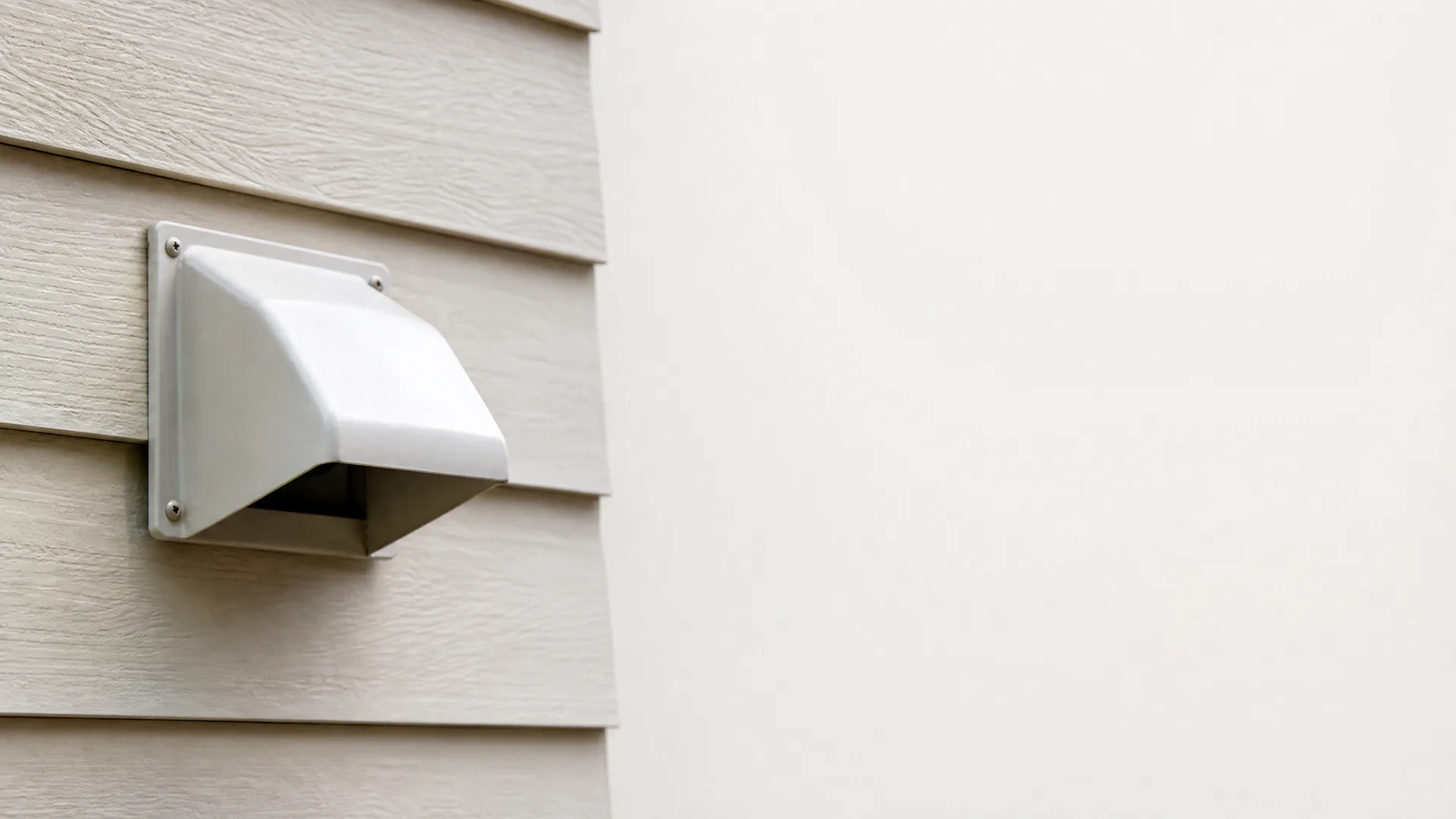
Starlings and sparrows look for a nesting spot from March through May, right when your dryer vent sits quiet more mornings than not. A vent hood with a stuck or sluggish flap looks like any other cavity to a bird hunting for shelter. Once a nest is built, it doesn't come apart on its own. The duct stays blocked through summer and into fall unless someone clears it out, and every load you dry in between works harder than it should.
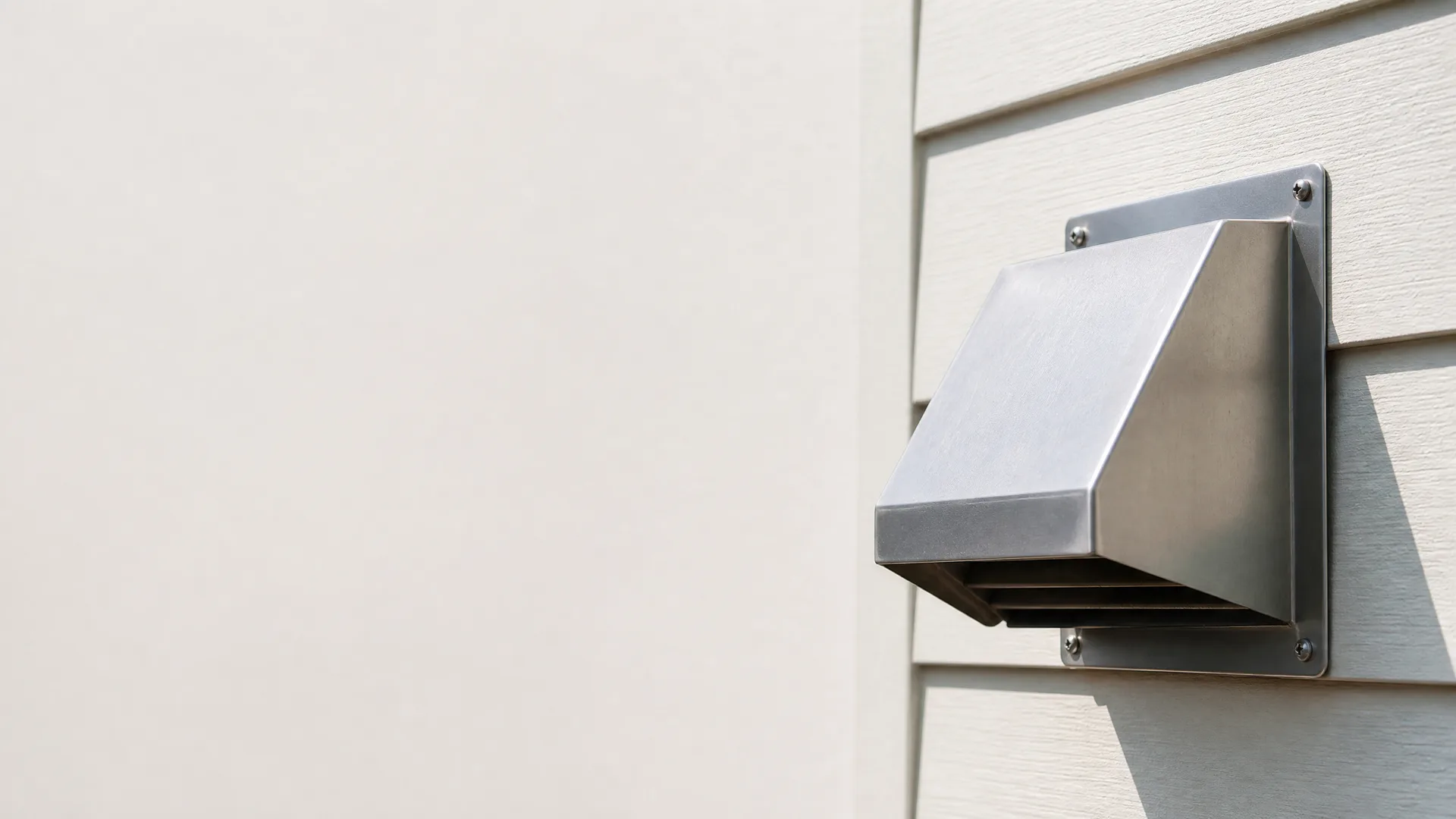
Dryer vent hoods are built with a flap, not a screen, because a screen clogs with lint and chokes the airflow your dryer depends on. That open design is what lets a bird get a foothold in the first place. A guard added around the hood blocks the gap birds use to get in without blocking the air your dryer needs to push out. It's a different fix from clearing a vent that's already blocked.

A nest in that duct does not stay the dryer's problem. Moist air has nowhere to go, so it backs up into the duct and sits there with every load. Lint mixed with nesting material catches heat faster than lint alone, and that duct runs behind your wall or through your attic. You will notice it first as a laundry room that stays warm and damp after a cycle that used to clear out in minutes.
Once you know a bird is in there, the part that takes the most time is not the cleaning. It is finding someone who will actually pull the nest, check the flap, and clear the duct in one visit instead of sending you to call three places and compare what each one quotes. A local contractor who works on vents every spring has seen this exact nest before and knows what the hood should look like when the job is done right.





You could pull the vent cover off yourself, but a nest packed with twigs, grass and old lint sitting inside a metal duct isn't a job most people want to reach into, especially with a dryer that still needs to run tomorrow morning. Finding someone who clears vents instead of just cleaning ducts, getting them out to a house in Warren or anywhere else in Macomb County, and explaining over the phone what you saw on the hood flap takes time you'd rather not spend while laundry piles up. Submitting this request sends your situation to one local contractor who works on vents like this all through nesting season and has pulled this exact kind of nest out of this exact kind of duct before. No comparing quotes, no repeating yourself to three different companies, no fielding calls from everyone you contacted. Just a dryer that's been running long and hot, and one person who already knows what that usually means.
You can pull the hood cover off and try to reach the nest with a wire hanger or a shop vac hose. Twigs and grass packed against lint can be matted in tight, and a duct run has bends you can't see around from the outside. If any of it stays behind, the flap still won't sit flush and the next load still runs long. You're also doing this without knowing how far back the blockage goes, so you might clear the hood and leave the duct packed further in.
A local contractor who services dryer vents through the spring knows where starlings and sparrows tend to build and how far a nest usually reaches into a duct run. They bring the tools to clear the full length, not just what's visible from the hood, and check that the flap swings freely again before they leave. One call gets this scheduled, instead of you searching for who handles vent cleaning, phoning around, and explaining the same nest story to each one.
At 2.43 people, your house is probably doing a load of laundry most days of the week. Every one of those loads pushes damp air through that vent, and a nest blocking the duct means that moisture has nowhere to go until someone clears it out.
ACS 2020-2024
Leave the nest and keep running the dryer, and the duct stays packed with twigs and grass while every load pushes moisture into a vent that can't vent it anywhere.
Have someone clear the duct back to bare metal, and the flap swings free again, the moist air goes where it's supposed to, and the dryer stops working overtime to finish a load.


A bird built a nest in your dryer vent because the flap sat open and the duct looked like a safe place to raise a brood. That nest is why the dryer runs long and why moist air has nowhere to go. Clearing it back to bare metal fixes both. You could spend an evening researching who handles duct and chimney work in Warren, calling a few of them, explaining the same thing twice, and waiting on quotes to compare. Or you can skip that and get matched with one licensed local contractor who clears vents like this all spring, when starlings and sparrows are hunting for exactly this kind of spot. No flood of calls from competing companies, just the one who does this work. Once the nest is out and the flap swings free again, your dryer goes back to venting the way it did before a bird ever found that hood.


Explain it one time
A licensed pro who works in Macomb County gets your request.
