October through March
That's six months of nightly cycling for your furnace. A tune-up before the cold sets in keeps it running at its rated efficiency for the whole stretch.
 Find a furnace pro
A local pro who services furnaces gets in touch about the tune-up.
Michigan winters run long, and a furnace that has to fight October through March doesn't get much rest. Every degree you set the thermostat to and every hour that furnace runs shows up on the gas bill, and with power here already expensive, most homeowners are looking for a way to bring that number down without freezing.
A furnace that's been maintained burns gas more efficiently than one that hasn't. Dirty burners, a clogged filter, a blower that's out of adjustment, all of it makes the furnace work harder to put out the same heat. That's wasted gas, paid for every month it goes unfixed.
Maintenance also catches the small things before they become the reason your furnace quits on the coldest night of the year. A cracked heat exchanger, a failing igniter, a pressure switch that's starting to stick, a technician who services furnaces all winter long knows what tends to go first in a Michigan house and checks it before it fails.
That's the real value here. Not a generic tune-up, but a local contractor who works on this equipment all season, in this climate, and knows what a Michigan winter does to a furnace that a mild one wouldn't. Matching you with someone local who's licensed to do this work means you're talking to one contractor, not fielding calls from five companies trying to win the job. They'll reach out to you directly about your furnace, your house, your situation.
Below, you'll find what actually brings a heating bill down this winter, from the thermostat settings that make sense here to what maintenance does and doesn't change. Read through it, then decide if it's worth having someone look at your furnace before the next cold snap.
The biggest drop in your gas bill comes from keeping the furnace running at its best, not from turning the thermostat down and living cold. A furnace loses efficiency as the burner gets dirty, the filter clogs, and the blower has to work harder to push the same air through your ducts. In a Michigan winter, where that furnace runs for months without a break, those small losses add up fast, because it never gets a stretch of warm weather to coast through. A furnace that's been checked and cleaned before the cold sets in burns less gas to hold the same temperature than one that hasn't. The other piece is the thermostat itself. Setting it back a few degrees overnight or while you're out costs nothing and adds up over a long heating season. Together, a furnace running clean and a thermostat set sensibly are what actually move the number on your gas bill, more than any one repair.


A furnace doesn't fail all at once. It loses a little ground at a time, and each piece of ground costs you gas. The flame sensor is a thin metal rod near the burner that tells the control board a flame is lit. When it's coated with carbon, it reads the flame as weaker than it is and cuts the burner off too soon, so the blower keeps running on a furnace that's already gone cold. A clogged filter does the opposite kind of damage. Air can't move through it easily, so the blower motor runs longer and draws more power to push the same heat through your ducts. The burner flames themselves tell you something too. They should be a steady blue. Yellow or flickering flames mean the gas isn't burning all the way, which wastes fuel and can point to a bigger problem. Behind the burner sits the heat exchanger, the part that transfers heat from the flame into the air your ducts carry through the house. A crack there lets heat escape before it ever reaches a vent. And a furnace low on blower motor oil, or running with a dirty inducer motor, has to cycle on and off more often to hold the temperature you set, which burns more gas without heating the house any longer than it should.


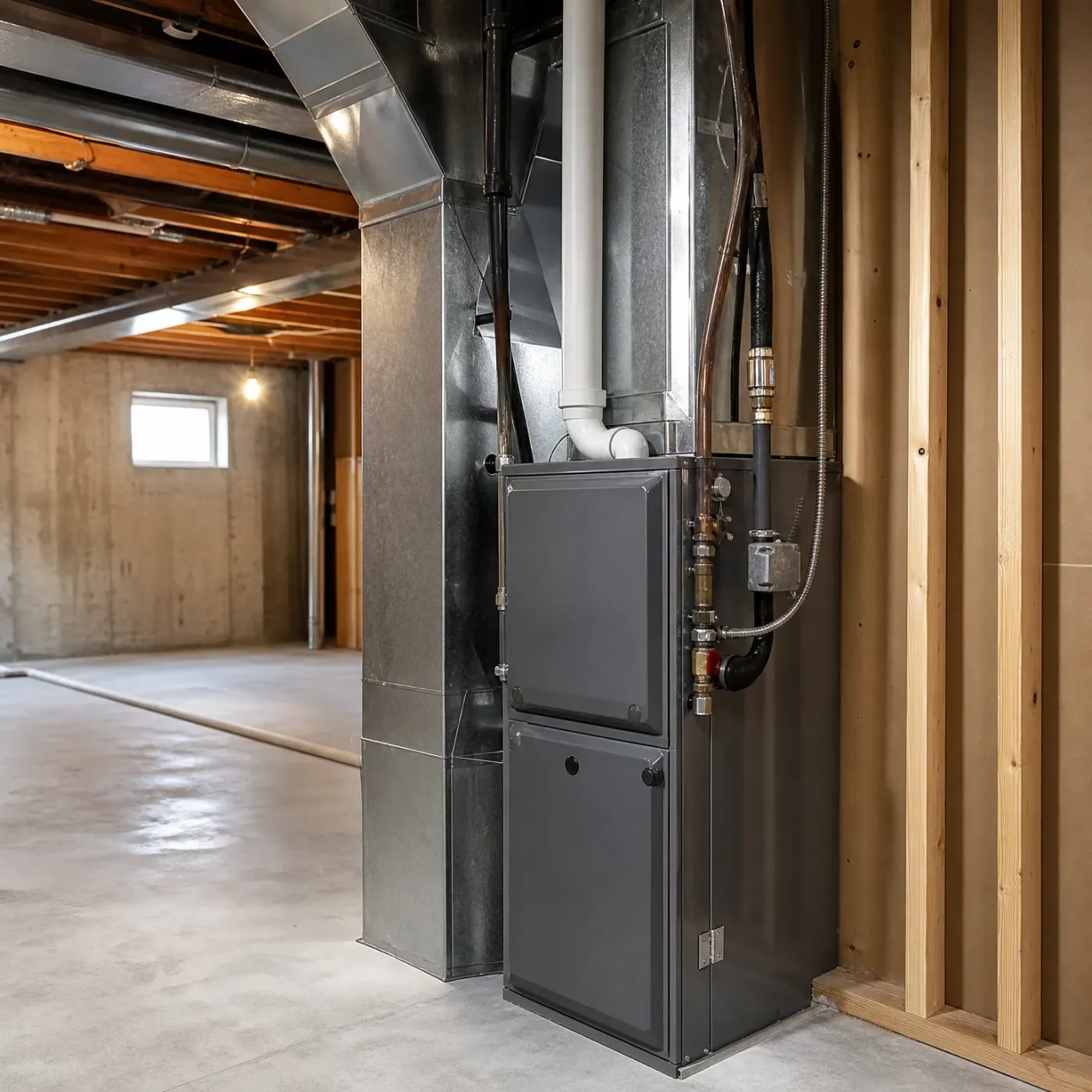
A licensed local pro takes the request for your furnace tune-up.
A local pro who knows furnaces gets your details and gets in touch.
Sending the form costs nothing.




You've noticed the gas bill creeping up even though you haven't changed the thermostat, and you're wondering if that's just what Michigan winters cost or if something about the furnace itself is driving it. It's a fair question. A furnace that needs attention doesn't stop heating your house. It just takes more gas to do it, and that difference adds up over a long heating season.
A furnace produces heat by burning gas at the burner, and that flame is tuned to mix with a specific amount of air. Dust on the burner or a buildup on the heat exchanger changes that mix, so the flame burns less cleanly and puts out less heat per therm. The furnace compensates by running longer to reach the temperature on your thermostat. A clogged filter adds to this, since the blower has to work harder to push air across the heat exchanger, and that strain slows the whole cycle down. Over October through March, that difference shows up clearly on the gas bill, even though the thermostat setting never changed.
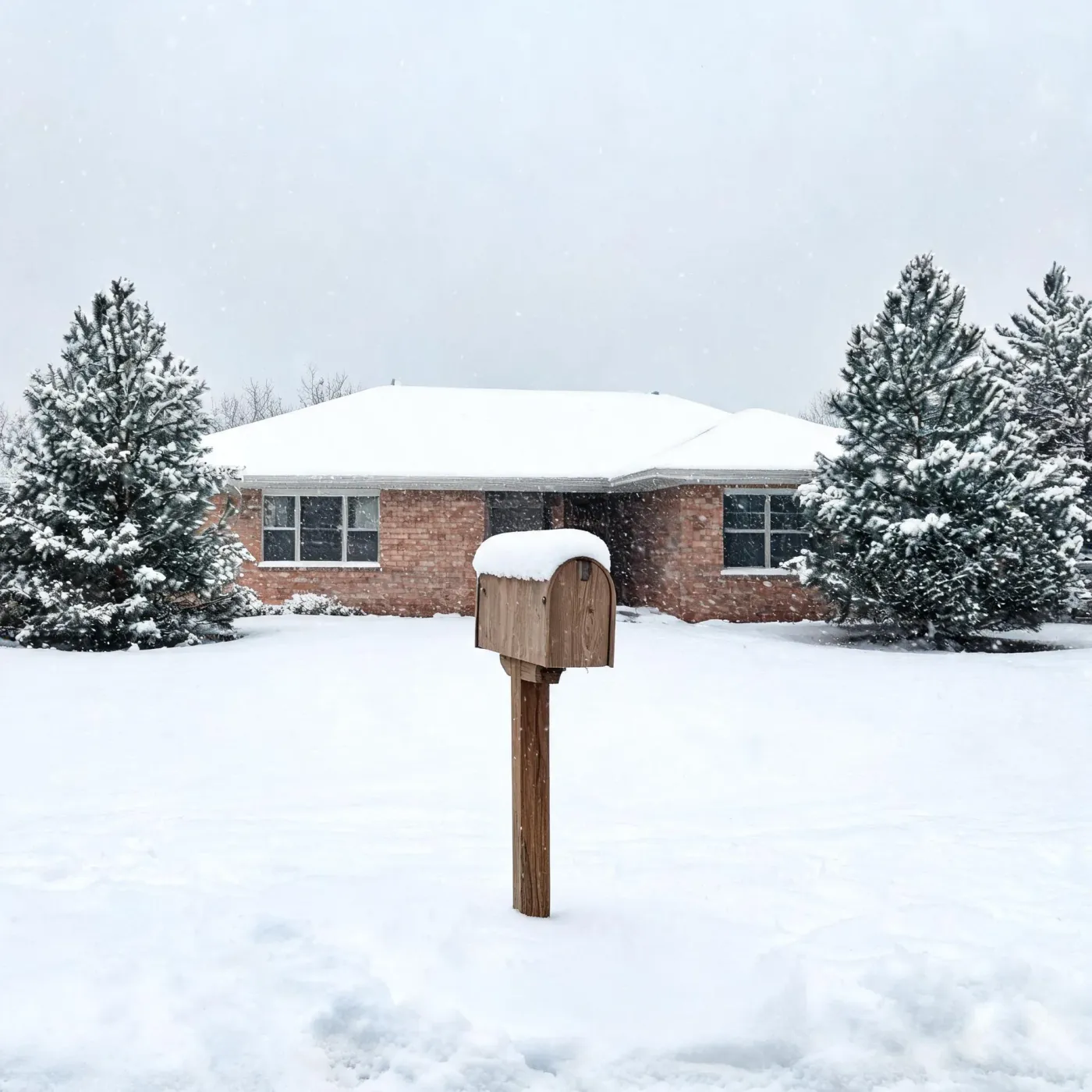
Statewide, winter nights average 19°F, and that's the stretch where your furnace runs longest, not just the cold snaps you notice. At that temperature it's cycling on through the night to hold the house steady, and a burner that's dirty or a filter that's clogged makes it work harder to do it. You'll notice the furnace running more than it used to, or rooms that take longer to warm back up after the thermostat kicks it on. Source: NOAA climate normals.
NOAA nClimDiv 1991-2020 county normals weighted by homes


That's six months of nightly cycling for your furnace. A tune-up before the cold sets in keeps it running at its rated efficiency for the whole stretch.
You're matched with a local contractor who services furnaces all winter and knows what tends to go wrong in them, not a batch of competing bids.
At 19°F, your furnace isn't just kicking on, it's holding a steady burn most of the night to keep up. That's the kind of load that finds a weak igniter or a cracked heat exchanger fast, long before the thermostat ever tells you something's wrong.
NOAA nClimDiv 1991-2020 county normals weighted by homes
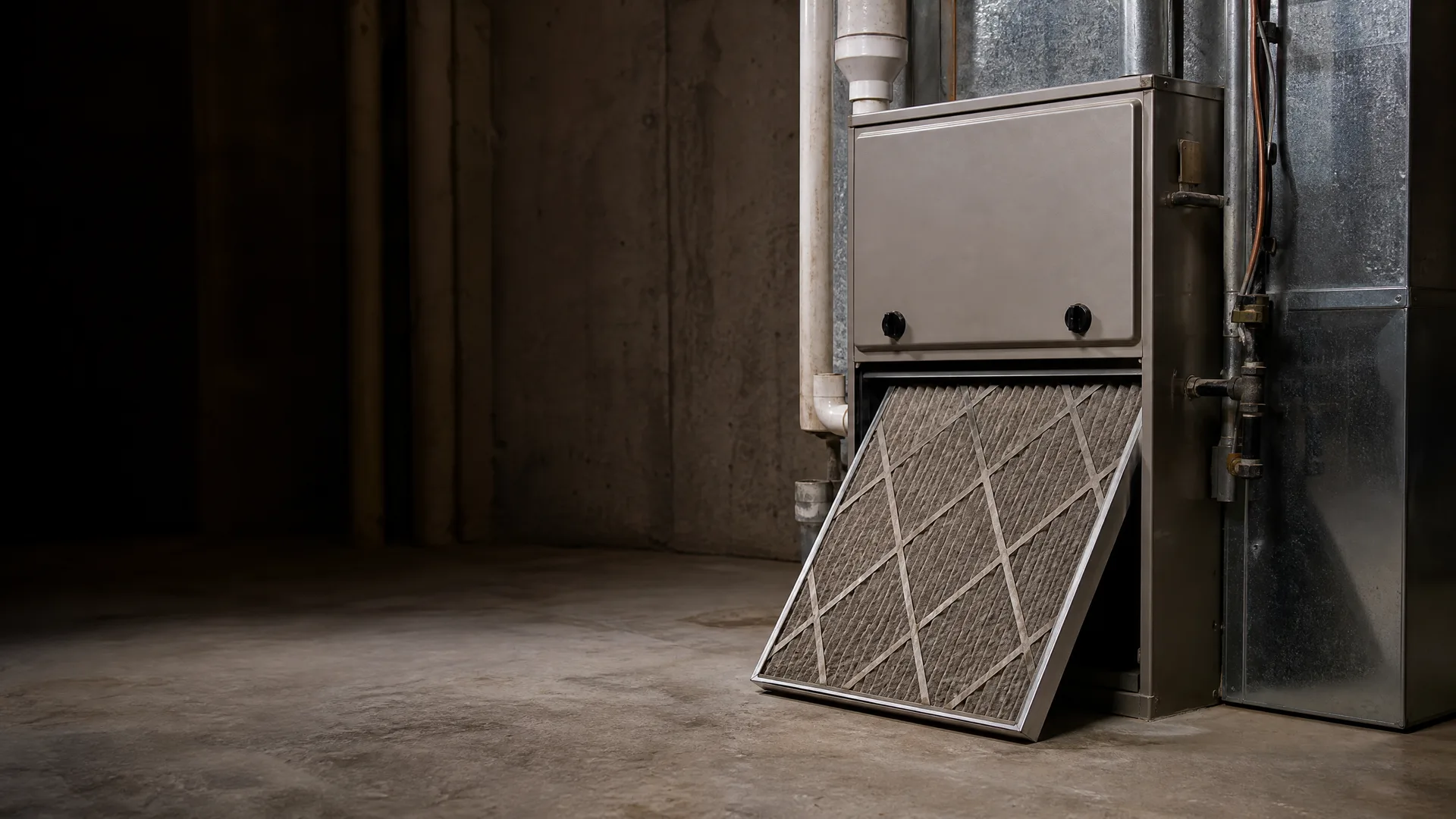
You're down in the basement on a Saturday afternoon, the light coming in gray through the small window near the ceiling. It's October, cold enough now that the furnace has been kicking on in the evenings. You pull the filter out to check it before the real cold hits, and it slides halfway free, caked gray with a season's worth of dust, the pleats barely visible underneath. You hold it up to the bulb overhead and can't see light through half of it. Behind it, the blower compartment hums low, waiting. You set the filter down on the concrete floor and stand there a second, doing the math on how long it's been since you last changed it.

A furnace that's had its burner cleaned, its filter changed, and its flame checked going into winter will hold its rated efficiency through every cold night from here to March. That's the whole answer. Nothing about turning the heat down or living with a colder house. Just a furnace that isn't working harder than it has to for the same amount of heat.
Getting there means having someone who knows this equipment take a look before the hard cold sets in. You'll be matched with one local contractor, not several, someone who services furnaces like yours all winter and knows which part tends to go first when a Michigan season pushes one this hard. They'll reach out to you directly to get it scheduled.


The pro who reaches out is licensed in Michigan.