
HVAC Repair in Flint, MI
Homes here need heat from October through May and cooling from June through August. If your system quits, tell us what it's doing and a licensed contractor who covers Genesee County will get in touch.
Tell us about the job
It takes about a minute.

Eleven months of work, most of it in the cold
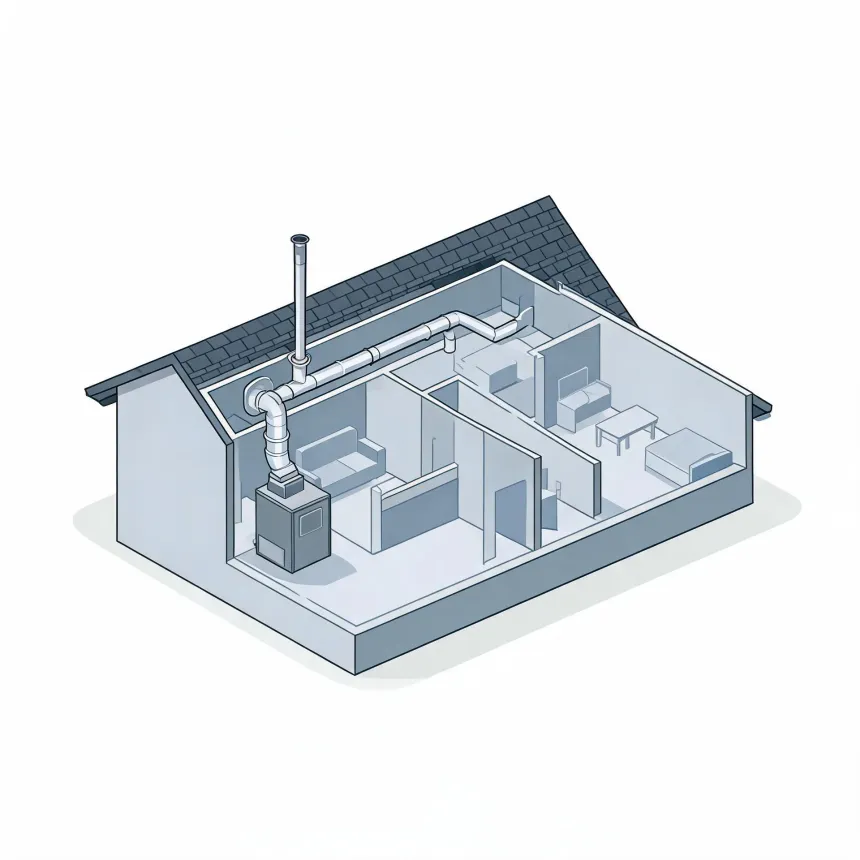
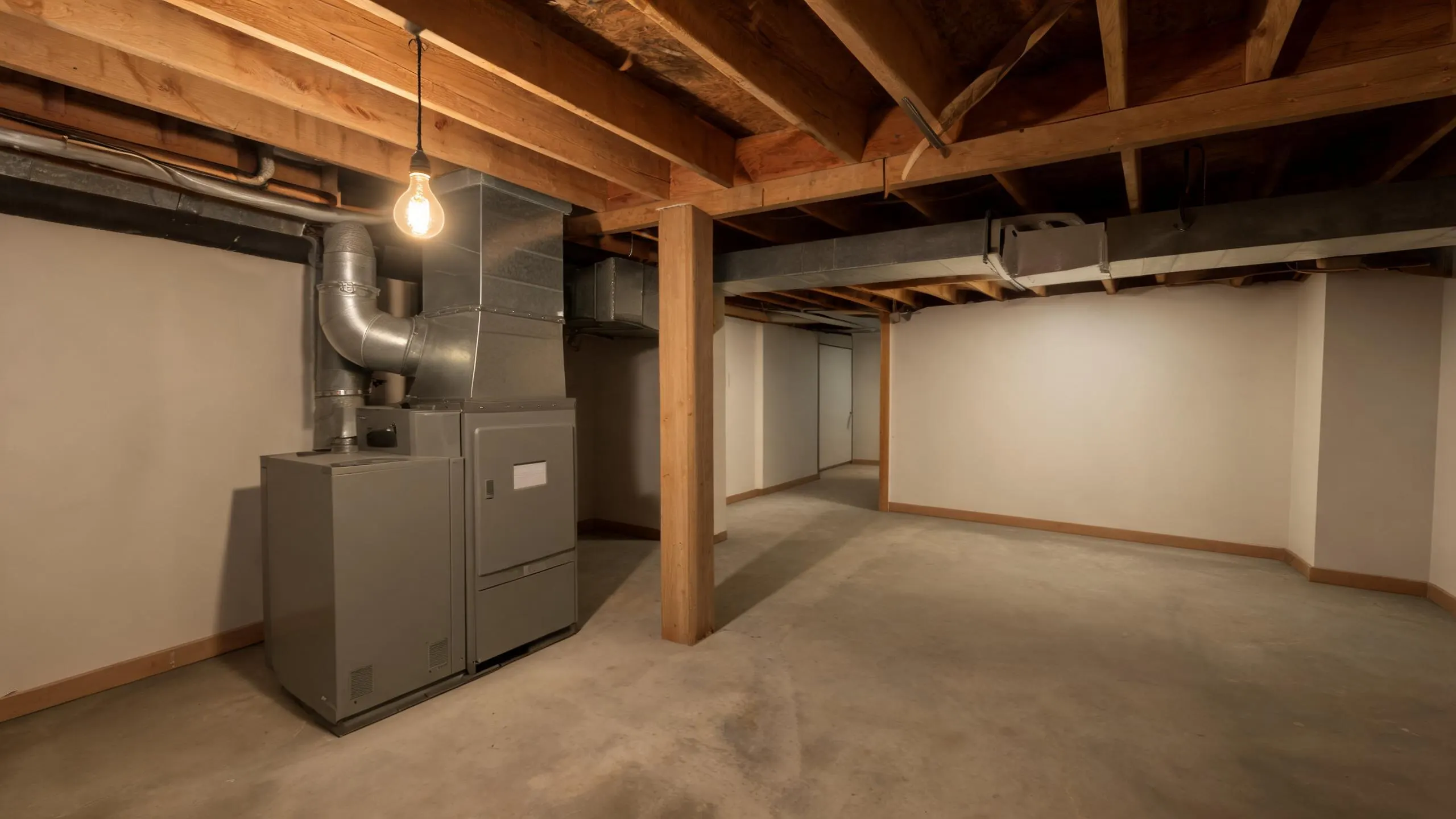
Your furnace carries this house from October through May, eight months of firing up on nights that average 19°F. Each start puts wear on the igniter and the burner, and when one finally gives out, it tends to happen on the coldest nights, because that is when the furnace is working hardest.
Summer is shorter here, three months of afternoons near 81°F, but the air conditioner still has to keep up during them. Most homes in Genesee County heat with gas, so when the furnace goes down, it is usually the whole heat supply failing, not a backup system taking over.
- 8 months
- October through May, your system heats
- 3 months
- June through August, it cools
- 19°F
- the average winter night it heats against
- 81°F
- the average summer afternoon it cools against
NOAA nClimDiv, 1991–2020 normals
A new furnace and air conditioner would cut about $170 a year off heating and cooling for a typical Genesee County home.
Estimates for a typical Genesee County home, compared with an older unit built to the previous federal minimum, from EIA household energy data, Michigan fuel prices and NOAA climate normals. Your home will differ.
Repair makes sense when one part has failed.
Replacement makes sense when the furnace's heat exchanger is cracked, the air conditioner's compressor has failed, or repairs keep coming.
Michigan requires HVAC contractors to hold a state license.
Michigan issues this license through the Board of Mechanical Rules, and it belongs to the contractor, not to any single job. The same license covers a furnace repair, a new install, or work on your air conditioner.
For a repair to your heating and cooling system, that license is what stands behind the person doing the work. On the gas side, a bad connection is the dangerous part of the job, and this is the license that puts a name and a record behind whoever makes it.
Sources: Michigan Legislature · Michigan Department of Licensing and Regulatory Affairs
- Why is my heat not working?
- Start with the thermostat. Make sure it is set to heat and the temperature is set above room temperature, since a setting bumped a degree or two can look like a dead furnace. If that is not it, check the breaker and the furnace switch, which looks like a light switch near the unit and gets turned off by accident more than people expect. Gas furnaces also need a clear intake and exhaust vent outside, and a foot of snow or ice piled against it after a storm can shut the whole system down. If the furnace runs but blows cold air, or does not turn on at all with power and gas confirmed, that points to something inside the unit that needs a contractor licensed by Michigan's Board of Mechanical Rules to open up and diagnose.
- Why is my system running but not cooling the house?
- Check the air filter first. A filter clogged with dust blocks airflow across the indoor coil, and the coil can ice over, which means the system runs constantly but the air coming out barely feels cool. Next check the outdoor unit and clear any grass clippings, leaves, or mulch packed against the sides, since it needs open airflow to release heat. If the filter is clean and the outdoor unit is clear but the house still is not cooling on an 81 degree afternoon, the system may be low on refrigerant or have a failing part, and that needs a licensed contractor to test and repair.
- What can I check before calling for HVAC repair?
- Check the thermostat settings, the batteries in it if it uses them, and the breaker for the system before anything else. For heating, confirm the furnace switch is on and the outside vent pipe is not blocked by snow or debris. For cooling, check the air filter and clear anything piled against the outdoor unit. If the power went out recently, give the system a few minutes after power returns, since most equipment resets on its own. None of this fixes a real mechanical failure, but it rules out the simple causes so a contractor can focus on diagnosing the actual problem.