
HVAC Installation in Saginaw, MI
A new system here will heat from October through May and cool from June through August every year. Tell us about the house, and a licensed contractor who covers Saginaw County will get in touch.
Tell us about the job
It takes about a minute.
Eleven months of work, most of it heating
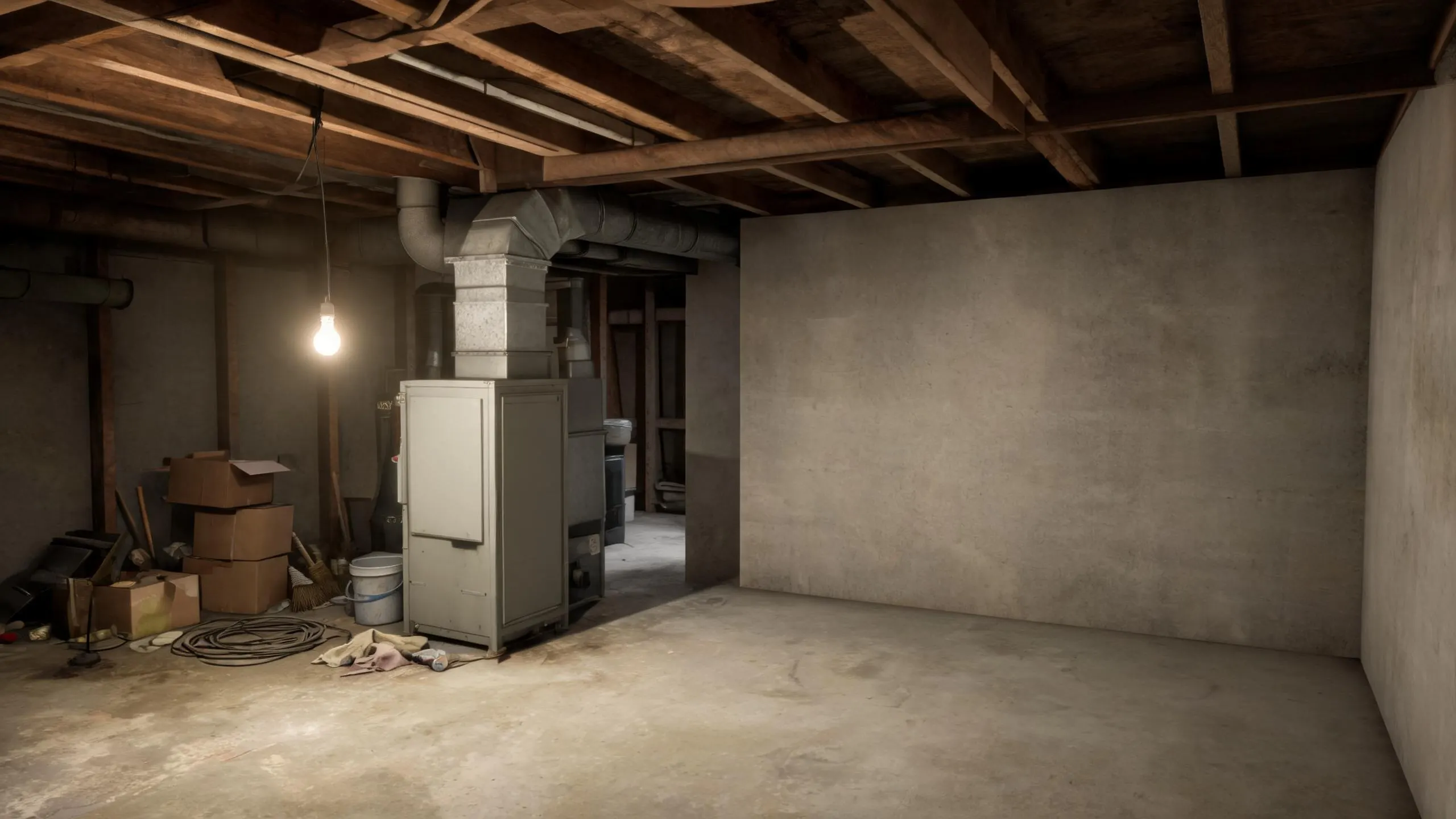
A new system here runs nearly all year. Heat from October through May, cooling in June through August. That's eight months of heating against three of cooling, so whatever goes in has to be sized and set up with the cold in mind first.
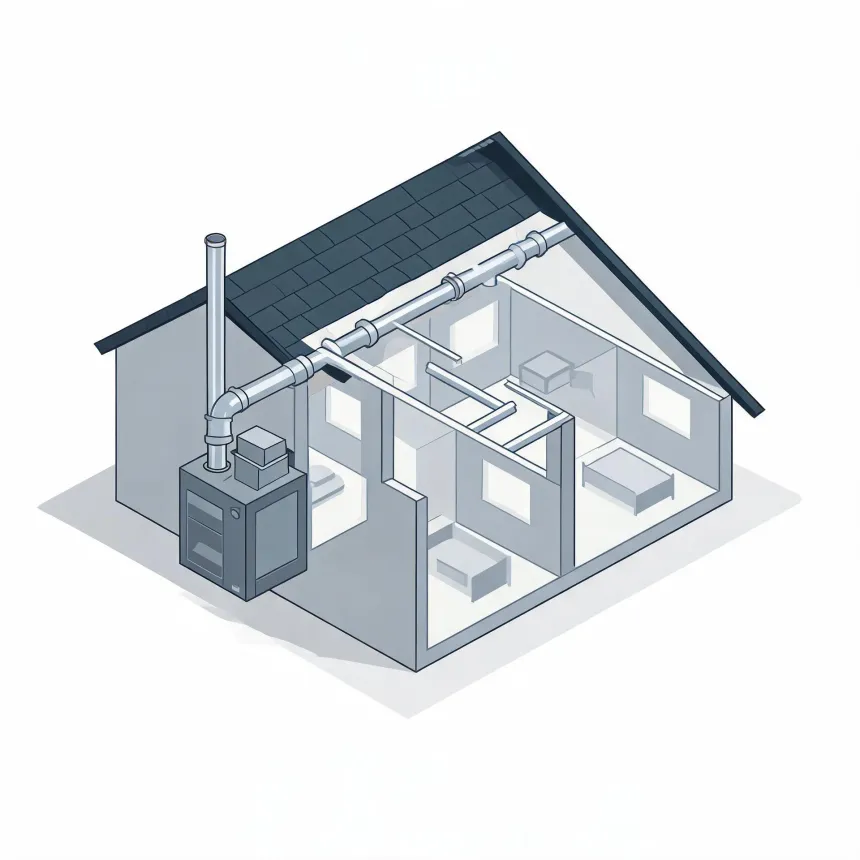
Winter nights average 19°F from December through February. A furnace sized for that has to hold its output on the coldest nights, not just the easier stretches at either end of the season. Most homes here heat with gas, so a properly vented, correctly sized gas furnace is the standard choice. Whatever gets installed new has to meet the federal minimum efficiency rating in place at the time, and your contractor can tell you what that is for the equipment you're considering.
- 8 months
- October through May, your system heats
- 3 months
- June through August, it cools
- 19°F
- the average winter night it heats against
- 81°F
- the average summer afternoon it cools against
NOAA nClimDiv, 1991–2020 normals
Michigan requires HVAC contractors to hold a state license.
The state tested this contractor before handing out that license, and the Board of Mechanical Rules keeps a record of who holds one. The license belongs to the contractor as a business, not to any one job, so it does not expire or renew job by job. It means the contractor met Michigan's standard for this trade.
For an installation like this, that license is what stands behind the person doing the work. In most cities and counties in Michigan, putting in a new furnace, air conditioner or heat pump needs a permit from the local building office, and the finished job gets inspected once the contractor is done. The permit and inspection are separate from the license. They cover whether the installation itself meets code in the place where you live.
Sources: Michigan Legislature · Michigan Department of Licensing and Regulatory Affairs
- When should I replace my HVAC system?
- Once your furnace or air conditioner is old enough that repairs are getting frequent or expensive, replacement is usually the better move. If it's breaking down more than once a season, or a repair is priced close to what a new system costs, you're past the point where fixing it makes sense. With winter lows here averaging 19°F, it's worth replacing an aging furnace before it fails on the coldest night rather than after. A contractor can look at the age and condition of your system and tell you where it stands.
- Should I replace my furnace and air conditioner at the same time?
- If both are old and near failure, yes. A furnace and air conditioner installed together are matched to work as one system, and pairing an old unit with a new one can mean the new one never runs the way it's rated to. Homes here need heat from October through May and cooling from June through August, so both sides of the system get real use across the year. If only one has actually failed, a contractor can tell you whether the other is worth replacing now or can wait.
- What happens during an HVAC installation?
- A contractor first sizes the equipment to your house, since a furnace or air conditioner that is too big or too small for the space will not heat or cool it well. The old equipment comes out, the new furnace or air conditioner and any related parts like the coil or thermostat go in, and the contractor connects it to your ducts, gas line or electrical as needed. Once it is running, they test it and check that it is heating or cooling the way it should before they leave. The exact steps depend on what you are replacing and how your current system is set up, so a contractor looking at your house can walk you through what applies to your job.