
HVAC Repair in Battle Creek, MI
Homes here need heat from October through May and cooling from June through August. If your system quits, tell us what it's doing and a licensed contractor who covers Calhoun County will get in touch.
Tell us about the job
It takes about a minute.

Eleven months of work, most of it in the cold
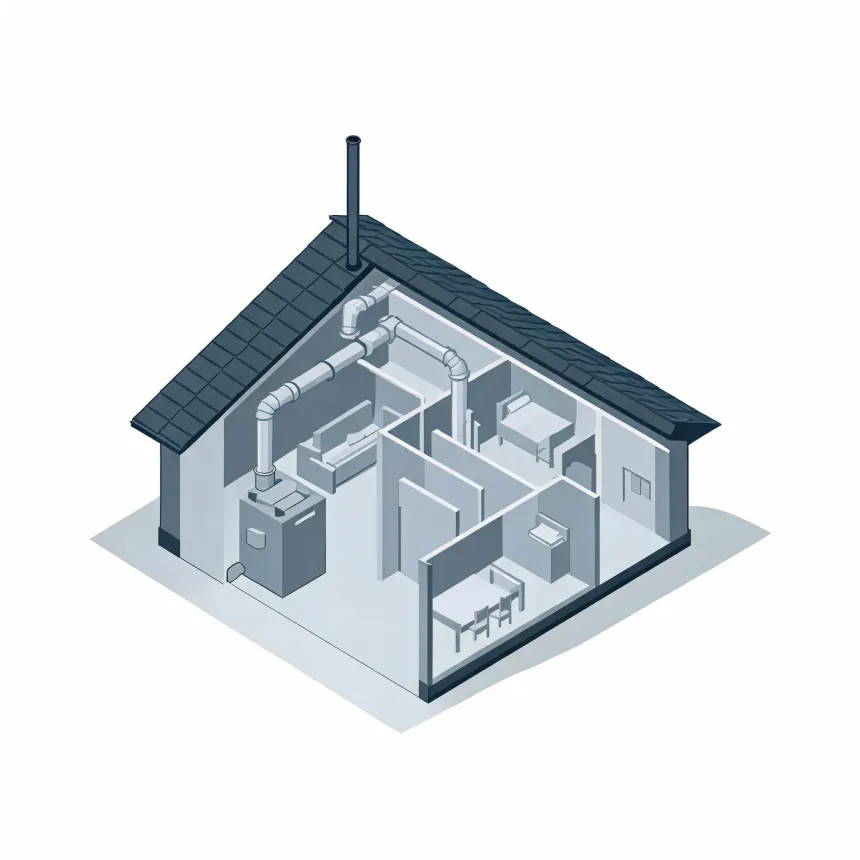
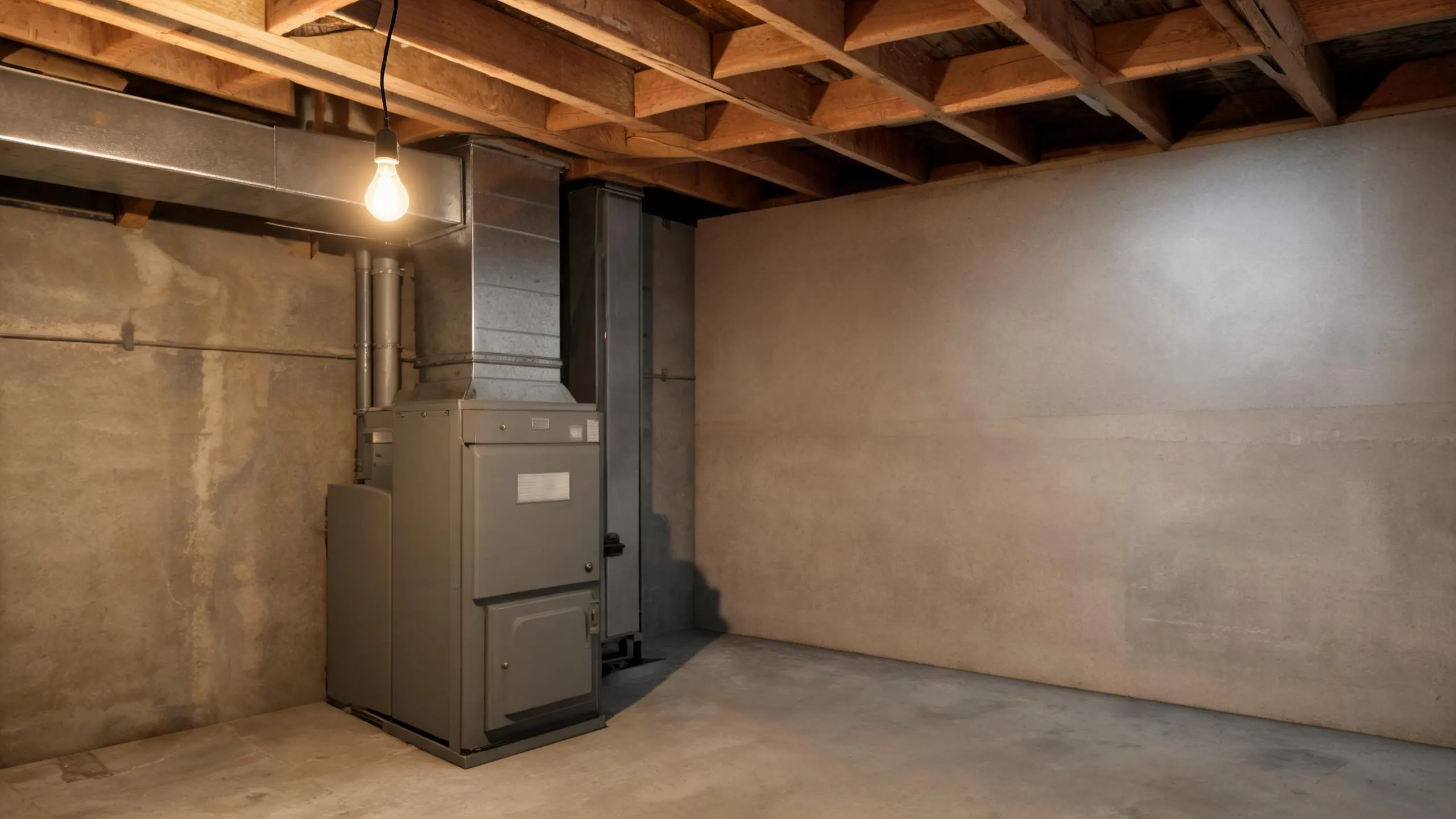
Your furnace is the one carrying the load here. Heat runs October through May, eight months, and winter nights average 19°F. At that temperature the burner is cycling on and off most of the night to hold the house steady, and every cycle puts wear on the igniter. When the igniter finally goes, the furnace won't light at all.
Summer is shorter but not gentle. Afternoons average 81°F over three months of cooling, enough to run the air conditioner hard on the worst days. Calhoun County has seen 30 damaging wind events and 13 winter storms over the past ten years, and storms like that mean power drops. Most furnaces and air conditioners come back on by themselves once power is restored. If yours doesn't, the problem is with the unit, not the outage.
- 8 months
- October through May, your system heats
- 3 months
- June through August, it cools
- 19°F
- the average winter night it heats against
- 81°F
- the average summer afternoon it cools against
NOAA nClimDiv, 1991–2020 normals
A new furnace and air conditioner would cut about $160 a year off heating and cooling for a typical Calhoun County home.
Estimates for a typical Calhoun County home, compared with an older unit built to the previous federal minimum, from EIA household energy data, Michigan fuel prices and NOAA climate normals. Your home will differ.
Repair makes sense when one part has failed.
Replacement makes sense when the furnace's heat exchanger is cracked, the air conditioner's compressor has failed, or repairs keep coming.
Michigan requires HVAC contractors to hold a state license.
Michigan issues this license through the Board of Mechanical Rules. That means the contractor has been tested by the state and is on record there, not just the business name on the truck. The license belongs to the contractor, not to any one job, so it stands behind a repair like this one the same as it would a full installation.
For this repair, that license is what you are relying on. Whoever works on your heating and cooling system should be able to show it, and the state's record of it is what tells you they were tested rather than just hired.
Sources: Michigan Legislature · Michigan Department of Licensing and Regulatory Affairs
- Why is my heat not working?
- Most often it is the igniter, a flame sensor that has built up a film, or the thermostat calling for heat when the furnace is not getting power. If you hear the blower running but feel no warm air, the igniter or gas valve is a likely place to start. If nothing runs at all, check your breaker panel first. A furnace that is 19°F outside all night has no room for a slow fix, so if a reset does not bring it back, get a contractor out the same day.
- Why is my system running but not cooling the house?
- Check your filter first. A filter clogged with dust blocks airflow across the coil, and when that happens the coil can ice over and blow warm air even though the system runs fine. If the filter is clean, the next likely cause is low refrigerant from a leak, which a contractor needs to find and fix. This matters most in Battle Creek summers, when afternoons average 81°F and a system fighting a frozen coil cannot keep up.
- What can I check before calling for HVAC repair?
- Start with the thermostat. Make sure it is set to heat or cool as needed and has working batteries if it takes them. Then check your filter, since a dirty one restricts airflow and can cause problems that look like something worse. Check your breaker panel too, and if you have a gas furnace, make sure the switch on or near the unit, which looks like a light switch, has not been bumped off. If all of that checks out and the system still is not working, a licensed contractor will need to look at it.