
HVAC Installation in Muskegon, MI
A new system here will heat from October through May and cool from June through August every year. Tell us about the house, and a licensed contractor who covers Muskegon County will get in touch.
Tell us about the job
It takes about a minute.
What a Muskegon County system has to handle
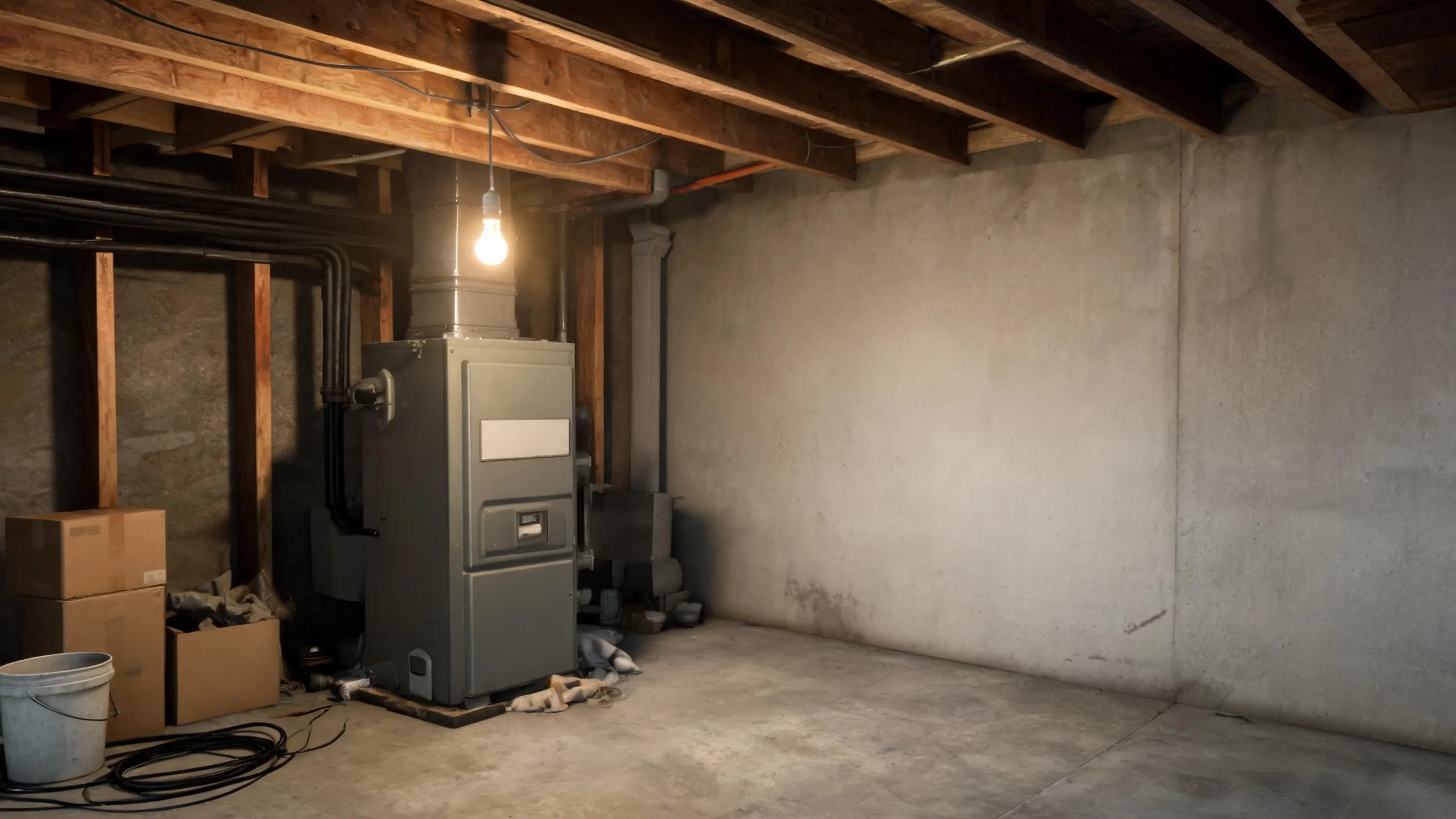
Your furnace runs from October through May, eight months a year, and winter nights average 20°F from December through February. A new system has to hold the house steady on those nights, not just the mild ones in between.
Summer is shorter but it still counts. Cooling runs June through August, with afternoons averaging 80°F, so the air conditioner or heat pump paired with that furnace still has to pull humidity out of the house on the hot days. Add it up and this county needs heat or cooling eleven months of the year, which is why the system gets sized for both jobs, not just one.
- 8 months
- October through May, your system heats
- 3 months
- June through August, it cools
- 20°F
- the average winter night it heats against
- 80°F
- the average summer afternoon it cools against
NOAA nClimDiv, 1991–2020 normals
Michigan requires HVAC contractors to hold a state license.
Michigan licenses HVAC contractors through the Board of Mechanical Rules. That license covers the contractor, not each job, so it stands behind every installation they do, including yours.
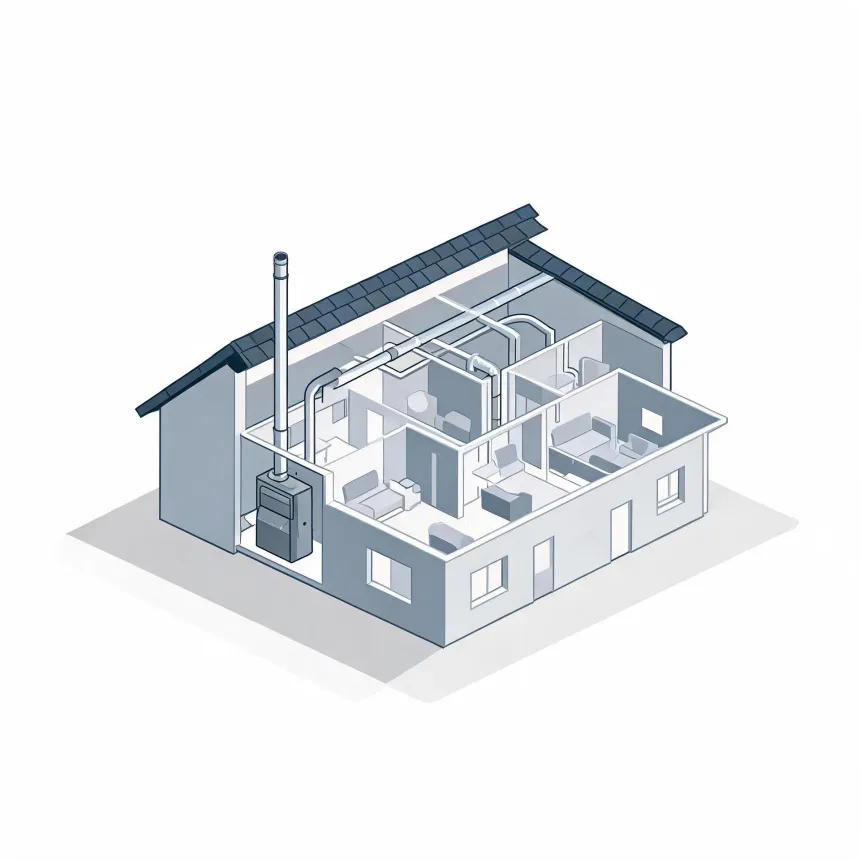
For a heating and cooling system installation, that license is not the only check on the work. In most cities and counties in Michigan, putting in a new furnace, air conditioner or heat pump needs a permit from the local building office, and the work gets inspected once it's done. The inspector looks at the actual install in your house, how the unit is set up and connected, separately from whatever the license already covers.
Sources: Michigan Legislature · Michigan Department of Licensing and Regulatory Affairs
- When should I replace my HVAC system?
- Replace it when repairs keep coming or the system can't keep up on the coldest or hottest days anymore. A furnace or air conditioner nearing the end of its life tends to run longer to hit the same temperature, and you'll notice it on the coldest winter nights. If a contractor has already been out more than once this year for the same unit, that's usually the sign. Age alone isn't the whole story, but a system that struggles every winter and every summer is telling you something.
- Should I replace my furnace and air conditioner at the same time?
- If both are old, replacing them together often makes sense, since a furnace and air conditioner installed years apart can end up mismatched in how they perform together. Homes here run the furnace from October through May and the air conditioner June through August, so both get real use every year. If only one has failed, a contractor can tell you whether the other is worth pairing with it now or leaving alone. There's no single right answer for every house, so have the system looked at as a whole before deciding.
- What happens during an HVAC installation?
- A contractor removes the old furnace or air conditioner, sets the new unit in place, and connects it to the ductwork, gas line or refrigerant lines, and electrical. After that comes testing. The contractor checks airflow, checks that the thermostat communicates with the system, and makes sure the furnace ignites properly or the air conditioner cools as it should. Any adjustments to the ducts or vents needed for the new equipment happen during this same visit. The exact steps depend on what's being installed and what the house already has, so a contractor walking the job beforehand will know what applies to yours.