
HVAC Installation in Allegan, MI
A new system here will heat from October through May and cool from June through August every year. Tell us about the house, and a licensed contractor who covers Allegan County will get in touch.
Tell us about the job
It takes about a minute.
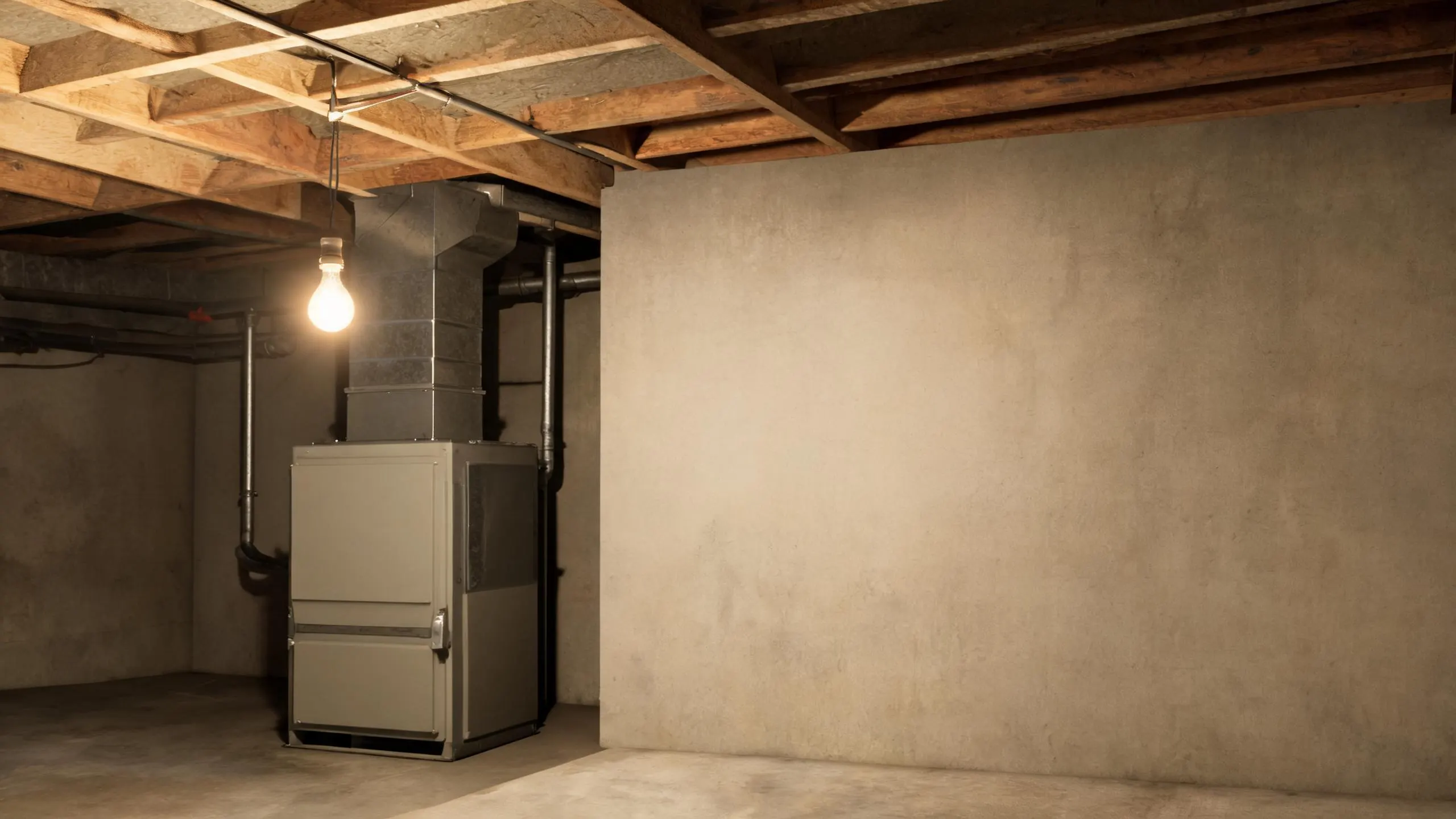
Allegan asks a new system to work almost year round
Winter nights here average 20°F from December through February, and homes need heat from October through May. That is 8 months the furnace has to keep up, and on the coldest nights it will run often to hold the house steady. Summer asks less of a system, just June through August, but afternoons average 81°F and the cooling side still has to hold its own. Between the two seasons, a system here is working 11 months out of the year.
Most homes in Allegan heat with gas, so the furnace carries most of that load. A new system installed here should be sized for the long heating stretch and the shorter, hotter summer both, not just one or the other.
- 8 months
- October through May, your system heats
- 3 months
- June through August, it cools
- 20°F
- the average winter night it heats against
- 81°F
- the average summer afternoon it cools against
NOAA nClimDiv, 1991–2020 normals
Michigan requires HVAC contractors to hold a state license.
Michigan licenses HVAC contractors through the Board of Mechanical Rules. That license covers the contractor, not each job, so it tells you the state tested this person or company and keeps a record of them, not that it inspected any particular installation.
For this job, the installation itself gets checked separately. In most cities and counties, putting in a new furnace, air conditioner or heat pump needs a permit from the local building office, and an inspection once the work is done. That permit and inspection are what cover the installation at your house. The state license is what covers the contractor doing it.
Sources: Michigan Legislature · Michigan Department of Licensing and Regulatory Affairs
- When should I replace my HVAC system?
- Once your furnace or air conditioner is old enough that a breakdown feels like a matter of time, it is worth replacing before that happens rather than after. Watch for signs like rising repair calls, uneven heat from room to room, or a furnace that runs longer to hit the same temperature. Here, your furnace carries the load from October through May, so a failure in the middle of that stretch is not something you want to ride out. A contractor can look at the age and condition of your system and tell you whether repair still makes sense or whether replacement is the better move.
- Should I replace my furnace and air conditioner at the same time?
- If both are original to the house and close in age, replacing them together often makes sense, but it is not a rule. A furnace and air conditioner installed at the same time are matched to work together, and doing both at once means one visit instead of two. That said, if your furnace is ten years newer than your air conditioner, there is no reason to replace it just because the AC has failed. A contractor can check the age and condition of each and tell you whether pairing them makes sense for your house.
- What happens during an HVAC installation?
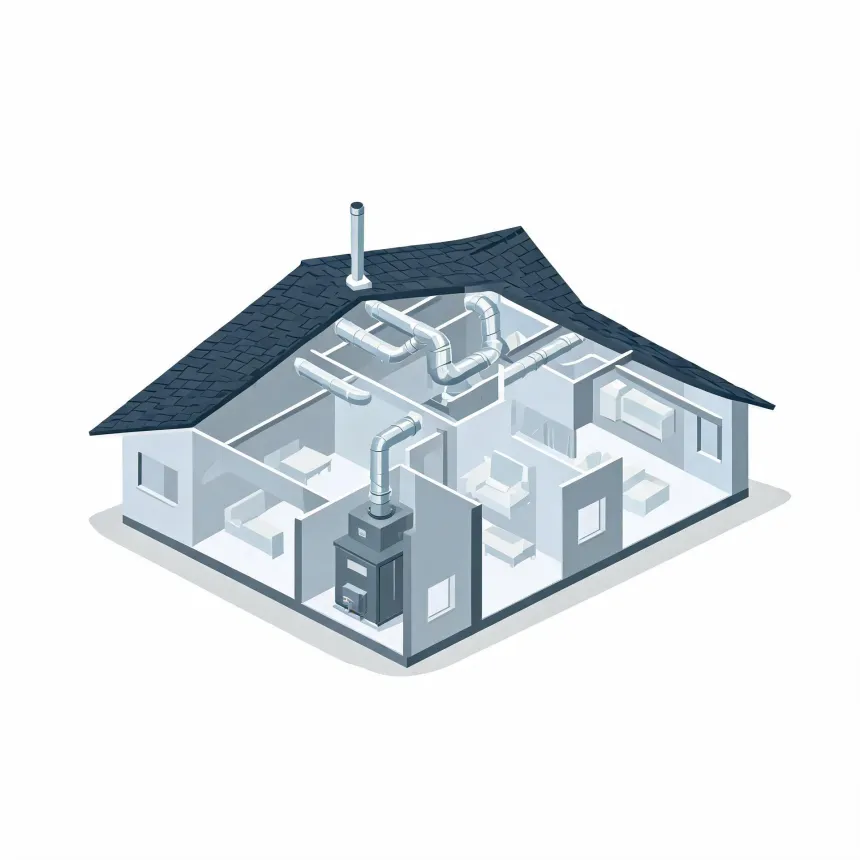
- A contractor first removes the old equipment, then sets the new furnace and air conditioner, connects them to your ductwork, gas line, and electrical, and checks the refrigerant lines if the outdoor unit is being replaced too. Once everything is connected, they test the system, checking airflow, gas pressure, and refrigerant charge to make sure it runs the way it is supposed to. They will also check your thermostat and confirm it works with the new equipment. Michigan requires a state license to do this work, and the finished job has to meet code.