1 degree every 10 to 15 minutes
That's about the pace a properly charged system moves once it's caught up to a hot house. If yours is slower than that, a tune-up can usually find out why.

A central air conditioner in Michigan usually brings a house down to temperature in about 2 to 3 hours, starting from a hot, humid afternoon in the 80s or low 90s. The humidity here is the main reason it takes that long. The system has to pull moisture out of the air before the house feels cool, not just drop the number on the thermostat, and a muggy July day gives it a lot more moisture to remove than a dry one would. A unit that is low on refrigerant, has a dirty coil, or hasn't been serviced in a while will run longer than that and still leave the house feeling damp. If your AC is taking half a day to catch up, or never quite gets there, that's usually a sign something needs attention before it gets worse.


The thermostat does not start the process until the house has already warmed a degree or two past the setpoint. Once it calls, the outdoor unit and the indoor blower kick on together. Refrigerant runs through the coil first, in the attic or a closet, and that coil pulls both heat and moisture out of the air moving across it. In Michigan that moisture load matters as much as the heat does, so the coil is working on two things at once before the thermostat number moves at all. The blower then pushes that cooled, drier air out through the ducts, and whichever room sits farthest from the air handler is always the last to feel it. If the filter is dirty or the coil has dust caked on it, less air gets across the coil per minute, and the same cooling job stretches out longer. Once the house finally reaches setpoint, the system does not just shut off and rest. It keeps cycling on and off in short bursts, holding that temperature against the heat still coming in through the afternoon.




That's about the pace a properly charged system moves once it's caught up to a hot house. If yours is slower than that, a tune-up can usually find out why.
Either one makes the system run longer to do the same job, which costs more on a Michigan power bill. Maintenance catches both before a hot week makes them worse.
If it's been running since noon and the house still feels sticky at dinner, something is slowing it down. You might notice the air coming out of the vents doesn't feel as cold as it used to. The outdoor unit might run almost nonstop on a hot afternoon instead of cycling off for a while. Upstairs rooms stay warm even when the thermostat downstairs says it hit the setpoint. None of that means the system is finished, but it does mean it's working harder than it should to get the same result. Left alone through another Michigan summer, that extra strain is what leads to a bigger repair, and in the meantime you're paying for all those extra hours of runtime on power that isn't cheap.

Average the dew point across a Michigan summer and you get 60°F, measured over June, July and August. That number is why the air feels heavy even on a day that isn't that hot. Your air conditioner has two jobs when it runs, cooling the air and wringing the moisture out of it, and at that dew point the second job takes real time. You'll notice the thermometer on the wall drop before the house actually feels comfortable, because the sticky feeling hangs on after the temperature has already come down. A system that's clean and properly charged keeps up with that. One that's behind on maintenance falls further behind on the humid days, not just the hot ones.
NASA POWER T2MDEW county cells weighted by homes
A system that's slow to catch up every time you run it is telling you something, and waiting it out all summer isn't fixing anything. Maybe the coil's caked with dust, maybe the charge is low, maybe the blower's weaker than it should be. You don't have to figure out which. What you'd otherwise be stuck doing is searching for someone local who works on AC systems, calling a few, explaining the same thing about the slow cooling and the sticky air each time, then sitting with quotes trying to guess who's worth the money. With gas heat and electric cooling here, a system working harder than it needs to shows up on the power bill fast. A tune-up sorts out what's actually slowing the system down before another muggy stretch rolls through and you're waiting on a house that won't cool.

Coils cleaned, filter changed, charge checked at the start of summer, and the unit still has to work against 60 degree dew points. It'll cool a hot house in that 2 to 3 hour range and hold the pace, about a degree every 10 to 15 minutes, start to finish. The air off the vents stays cold the whole time, not just the first hour. You run it hard on the worst afternoons and it keeps up because nothing inside it is fighting itself.

Same house, same dew point, but the coil's coated in dust and the charge is down a pound from a slow leak nobody caught. The pace falls off after the first half hour. Three hours stretches to five, and the air at the vents is cooling but not cold. The compressor runs longer to do less, which is where the electric bill grows. Nothing's broken outright. It's just losing a fight it used to win, and it'll keep losing it until someone looks at the coil and the charge.
The thermostat senses the room is above setpoint and calls for cooling
The compressor starts and pushes refrigerant out to the outdoor coil
The indoor blower turns on and pulls air across the cold coil
Warm, humid air drops its moisture as condensate on the coil
A struggling system doesn't just take longer to cool your house, it costs more to do it. At 20.03 cents per kilowatt-hour, extra hours of runtime from a dirty coil or low charge show up on your bill every month, all summer.
EIA-861 2025 statewide residential average

That's the answer. A Michigan home comes down from the 80s or low 90s in about 2 to 3 hours when the air conditioner is running the way it should, cleaned and charged and pulling its weight against the humidity. If yours is taking longer than that, something in the system is making it work harder than it needs to, and it won't fix itself once the weather settles in for the summer.
Finding out what's slowing it down usually means calling a few contractors, explaining the same thing to each one, waiting on quotes, and sorting through who actually has time this week. Send the form instead and that part is off your plate. Someone licensed to look at your coil, your charge, your capacitor gets matched to you, and you go back to waiting on your house to cool down, not on the phone.

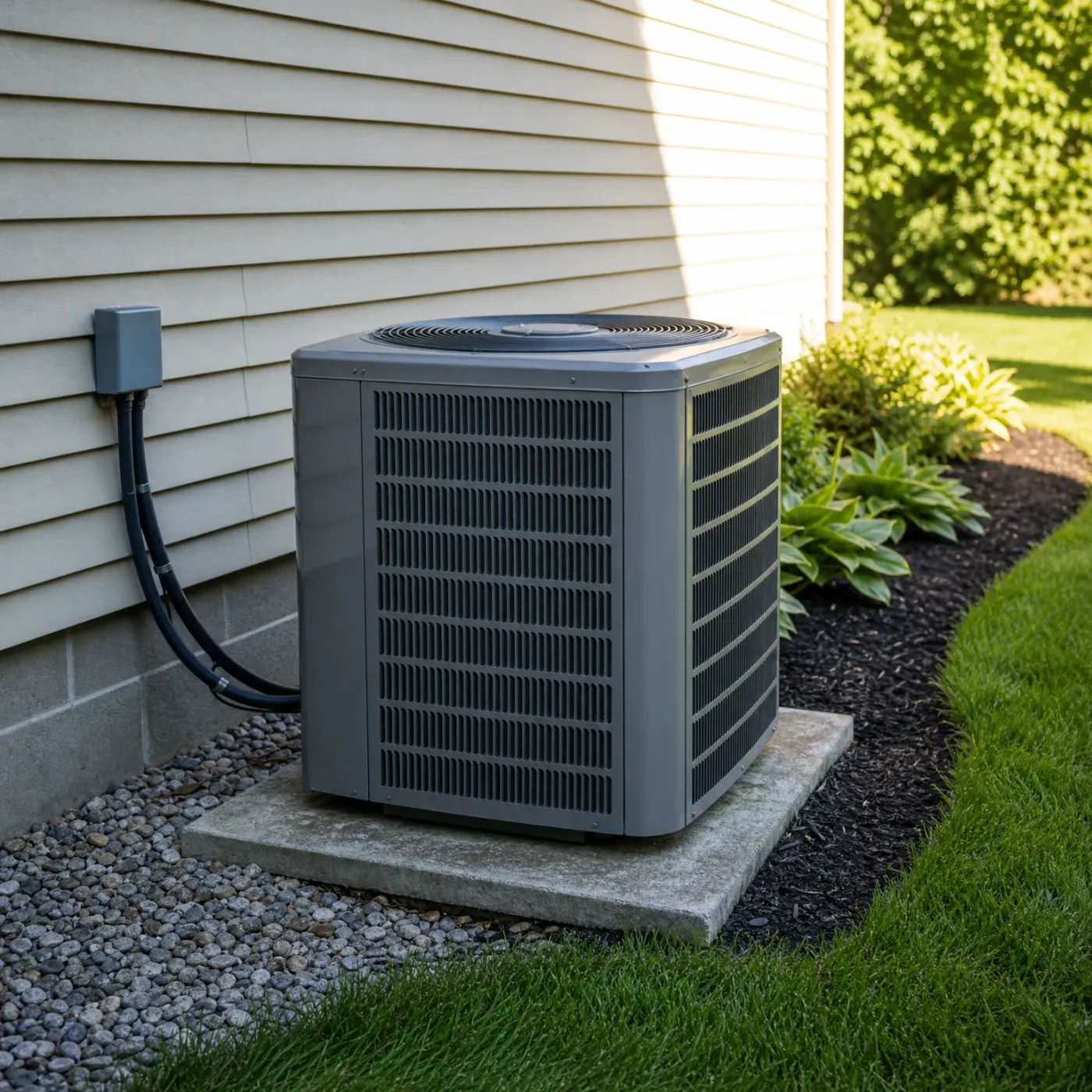
Skip calling around to set up an air conditioner tune-up.
You're not committing to anything by asking.