
Furnace Installation in Traverse City, MI
A new furnace here will run from September through May every year. Tell us about the house, and a licensed contractor who covers Grand Traverse County will get in touch.
Tell us about the job
It takes about a minute.
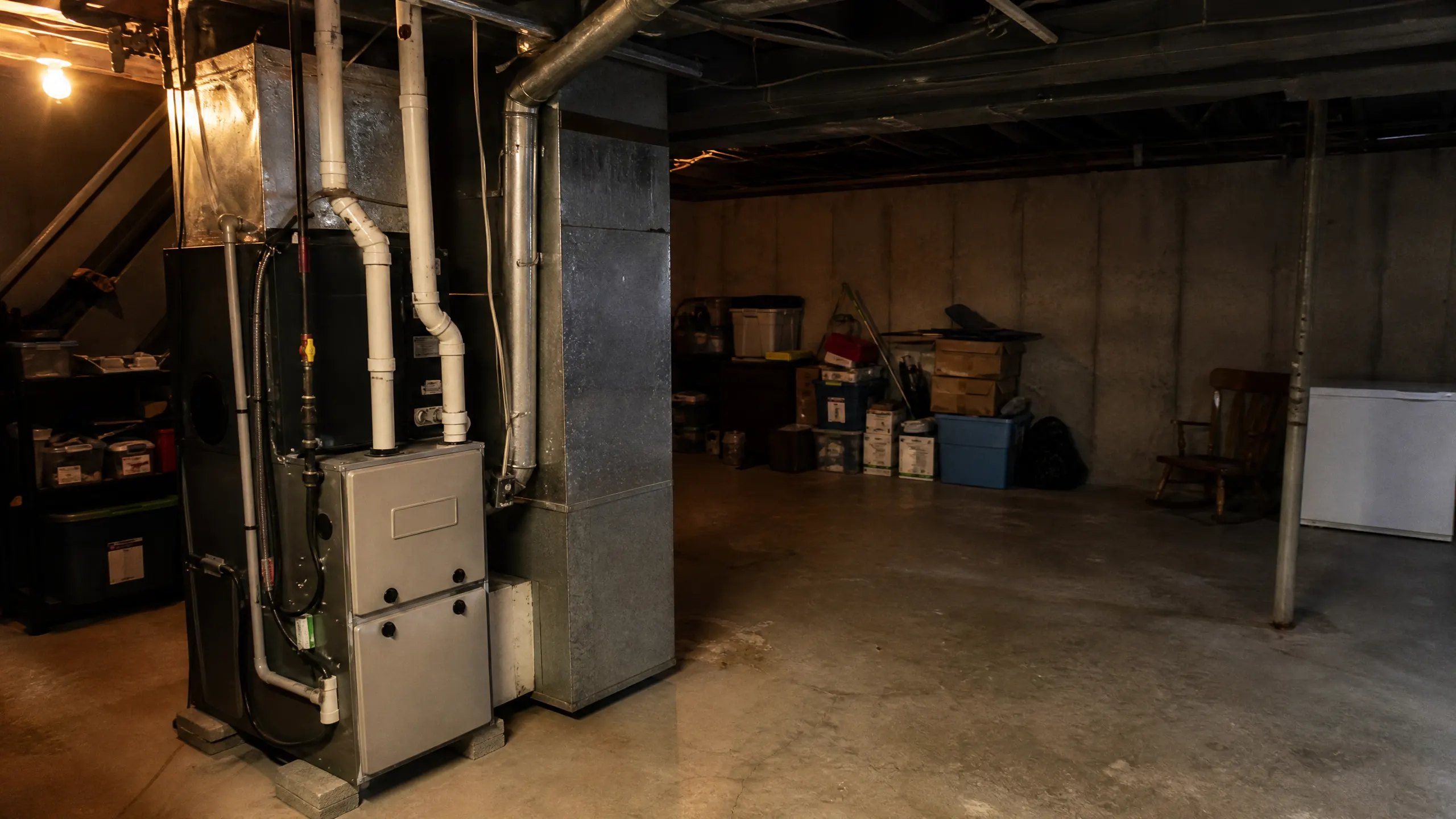
Nine months of heat, and winters that test the equipment
Your furnace here runs September through May. That's nine months a year, with winter nights averaging 16°F. A furnace put in here has to hold up to that whole stretch, not just get through a cold snap.
Most homes in Grand Traverse County heat with gas, and any non-weatherized gas furnace made since November 2015 has to reach at least 80 percent AFUE. That's the federal floor, not a ceiling, and a new install is a chance to decide if you want to go higher. The area has also seen 27 winter storms and 34 damaging wind events over the past ten years. A standard furnace needs power to run even when the gas is on, so it's worth asking how a new system handles an outage before it goes in.
- 9 months
- September through May, your furnace is on duty
- 16°F
- the average winter night it heats against
- 73%
- of homes here heat with gas, so most furnaces here burn gas
- 80% AFUE
- the federal minimum any new unit must meet
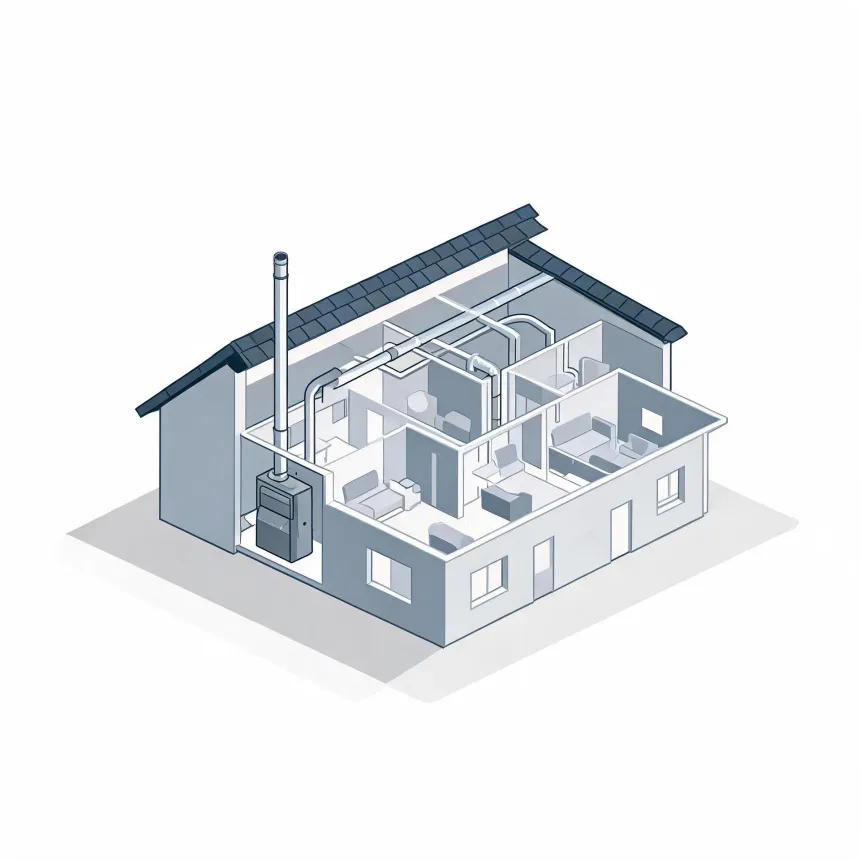
NOAA nClimDiv, 1991–2020 normals
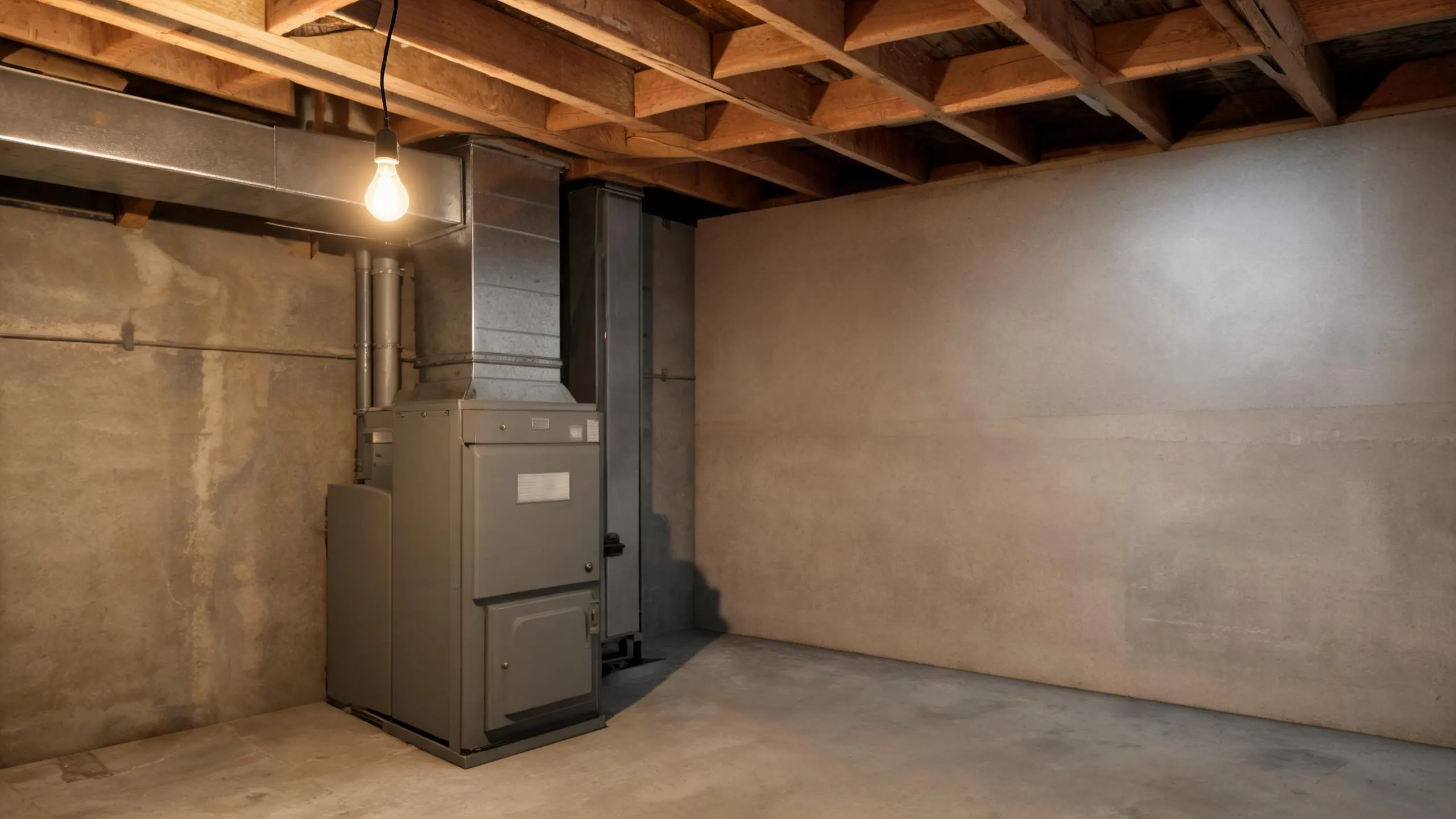
A high-efficiency gas furnace would save about $150 a year to run in Grand Traverse County compared with a gas furnace.
Estimates for a typical Grand Traverse County home, from EIA household energy data, Michigan fuel prices and NOAA climate normals. Your home will differ.
Michigan requires HVAC contractors to hold a state license.
The state tested this contractor before handing out that license, and Michigan keeps a record of who holds one through the Board of Mechanical Rules. The license belongs to the contractor, not to this specific furnace job, so it tells you the business met the state's standard, not that this installation has been checked yet.
That check comes after the license, from the local building office. Grand Traverse County will need a permit for a furnace installation and an inspection once the work is done, and that inspection is what confirms the gas connections and venting were done right. With most homes in the county heating with gas, that inspection is the part of the process that catches a bad connection before it becomes dangerous.
Sources: Michigan Legislature · Michigan Department of Licensing and Regulatory Affairs
- What size furnace does my house need?
- There is no size you can pick off a chart. It comes from a load calculation, where a contractor works out how fast your house loses heat using its square footage, insulation, window count, and ceiling height. Your furnace has to keep up here nine months of the year, so an undersized unit will run constantly and never quite catch up, and an oversized one will short cycle and wear out early. A contractor who has walked through the house can size it right.
- How do I know it's time to replace my furnace?
- Age is the first sign. A furnace here works nine months of the year against winter nights averaging 16°F, which is a harder life than one in a milder place gets, so if yours is old and needs repairs more often than it used to, replacement starts to make more sense than another fix. Rising bills with no change in how you use the house point to a furnace losing efficiency. Uneven heat between rooms, or long cycles that never quite warm the house, are also signs it is falling behind.
- Is a high-efficiency furnace worth it?
- Every furnace made since November 2015 has to reach at least 80 percent AFUE, so the real question is whether it makes sense to go higher than that. With heat needed here from September through May, a furnace that runs that many months has more chances to make back the difference in fuel used than one running just a few months a year. A contractor can walk through what a higher-efficiency unit would mean for your house, since venting and installation differ from a standard-efficiency furnace.