
Dryer Vent Cleaning in Lapeer, MI
Tell us about your home, and a licensed contractor who covers Lapeer County will get in touch.
Tell us about the job
It takes about a minute.

Cold vents make lint stick
Your dryer pushes out warm, damp air, and in a Lapeer winter the vent it travels through is cold, sometimes as cold as the 18 degree nights that run from December through February. That air cools fast once it hits the metal, and the lint riding along in it sticks to the walls instead of blowing clear outside. Layer by layer, the vent narrows.
A narrowed vent means your dryer works harder to push air through, and it means more heat and lint stay trapped where they can build up further. This is worth watching in a house you own and plan to stay in, and most homes in Lapeer County fall into that category.
- 18°F
- the average winter night, and cold vents catch damp lint
- 8 months
- October through May, the vent stays cold
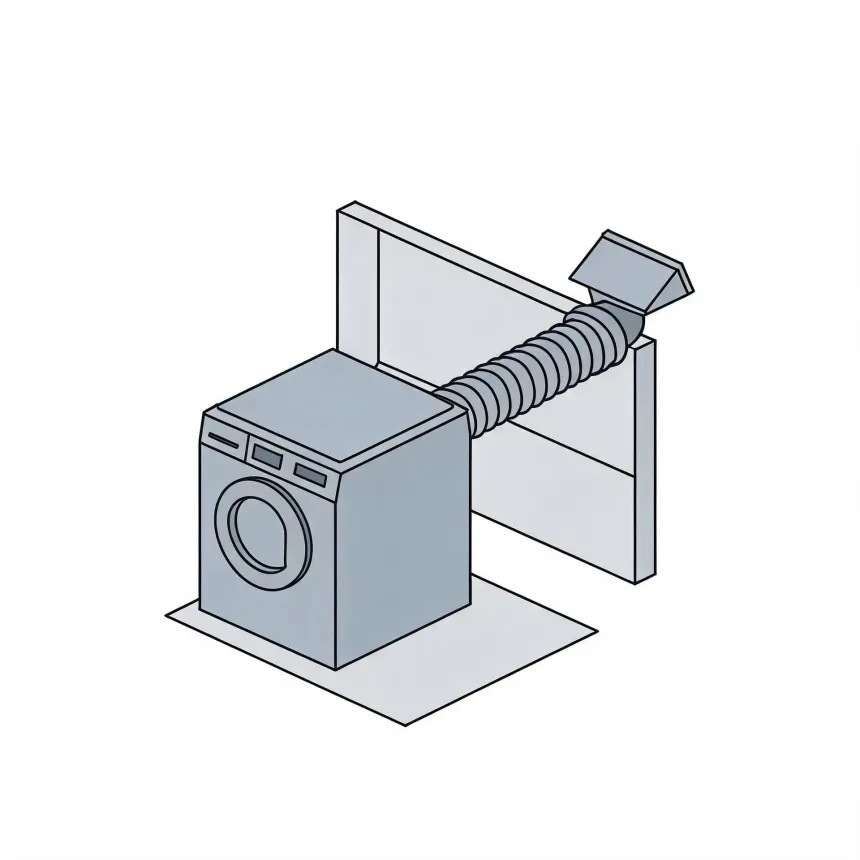
NOAA nClimDiv, 1991–2020 normals
- How often should a dryer vent be cleaned?
- Once a year is the standard rule for most households. If you run large loads often, or you have a long vent run with a lot of turns, once a year is still the mark to aim for, but lint builds up faster in that setup so it is worth checking partway through the year too. A vent that is clear moves air the way it should, and that keeps your dryer running at a normal temperature.
- Can I clean my dryer vent myself?
- You can clear the first few feet near the dryer and the outside hood yourself, but that is not the same as cleaning the whole line. Most vent runs have bends and long stretches you cannot reach with a household brush kit, and lint collects right at those bends. A contractor uses a rotary brush and a vacuum built for the full length of the duct, which is the only way to know the whole run is actually clear.
- What are the signs of a clogged dryer vent?
- Clothes that take two cycles to dry, or come out hot to the touch but still damp, are the clearest sign. Others include the outside of the dryer feeling hot during a cycle, a burnt smell, and the flap on the outside vent hood barely moving or not opening at all when the dryer runs. Lint around the dryer's edges or in the door seal is another sign the vent is not carrying air out the way it should.